Electromagnetic Forming Modular High Voltage Pulse Power Supply High Precision Time Sequence Synchronization and Energy Control
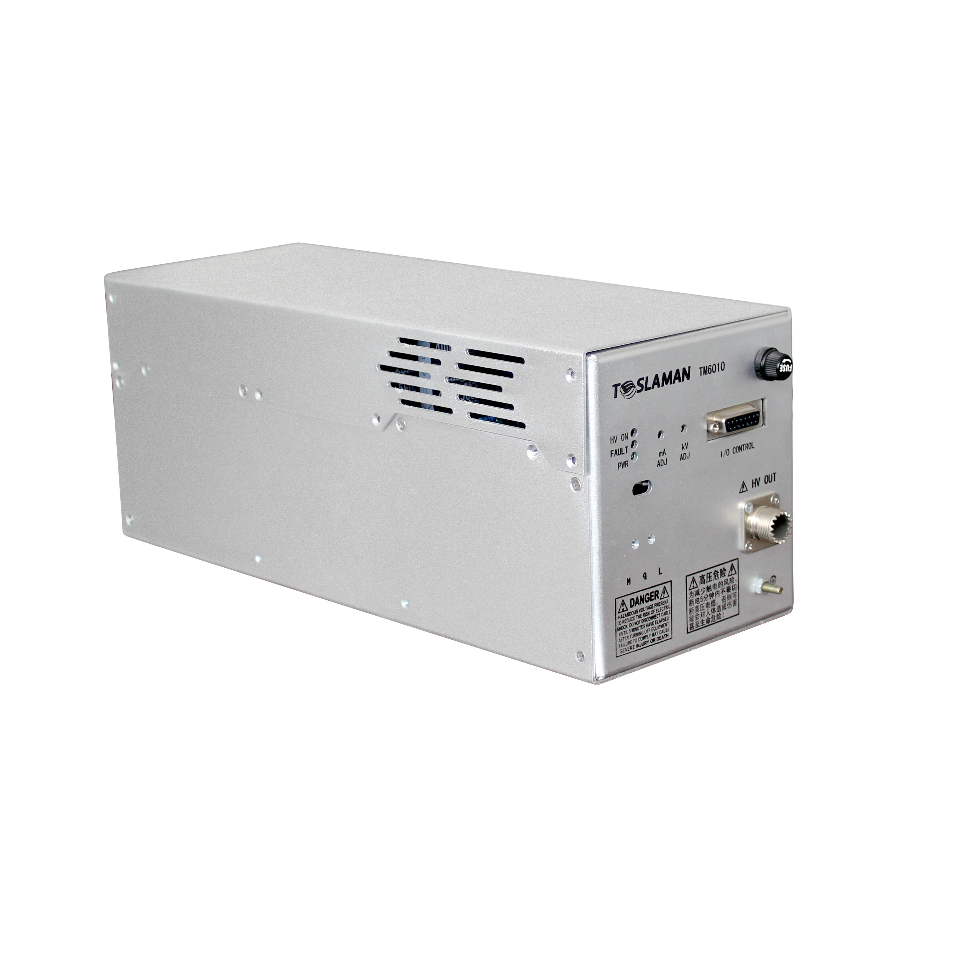
Electromagnetic forming utilizes intense magnetic fields generated by high-current pulses to shape conductive materials at high velocities. The process offers advantages for forming operations where traditional mechanical methods encounter limitations, including forming of materials with low ductility and joining of dissimilar metals. Modular high-voltage pulse power supplies enable the generation of required current pulses with precise control of timing and energy that directly influence forming results and process reproducibility.
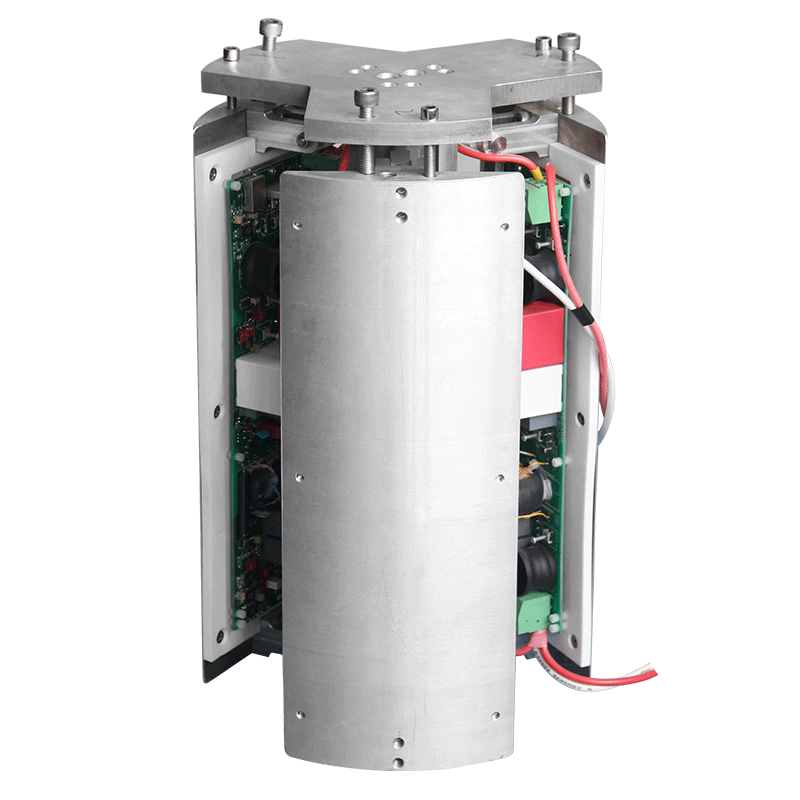
The electromagnetic forming process requires coordination of multiple pulsed power modules that contribute to the total magnetic field and forming force. Each module consists of energy storage capacitors, switching devices, and current shaping components that determine the pulse characteristics delivered to the forming coil. Synchronization of module discharge ensures coherent addition of magnetic field contributions from all modules. Precise timing control enables optimization of forming pulse shapes for specific applications.
Time sequence synchronization for electromagnetic forming involves precise coordination of switch triggering across multiple modules with sub-microsecond accuracy. The triggering system must account for variations in switch response times and propagation delays through the triggering circuits. Optical trigger systems provide immunity to electromagnetic interference generated during high-current discharge, ensuring reliable synchronization even in the presence of intense electromagnetic noise. Redundant trigger paths ensure that all modules discharge safely even if primary trigger signals are disrupted.
Energy control in modular pulsed power systems encompasses both total energy delivery and energy distribution among modules. The total energy determines the peak forming force and the work done on the workpiece. Energy distribution among modules affects the spatial distribution of magnetic field and forming force when modules drive separate coil sections. Independent control of module charging voltages enables optimization of energy distribution for specific forming tasks.
Charging systems for modular pulse power supplies must deliver high voltage to multiple capacitor banks while maintaining voltage balance between modules. Independent charging channels enable precise voltage control for each module but increase system complexity. Shared charging systems with active voltage balancing maintain module voltages within tolerance while simplifying the charging circuit topology. Voltage monitoring provides feedback for charging control and enables detection of capacitor degradation through abnormal charging current characteristics.
Switching device selection for electromagnetic forming applications must handle peak currents of hundreds of kiloamperes with rise times measured in microseconds. Spark gaps provide high current capability with simple triggering requirements but have limited lifetime and variable timing characteristics. Semiconductor switches including thyristors and integrated gate-commutated thyristors offer improved timing precision and longer lifetime but require protection circuits for operation in high-current pulsed applications. The switch selection influences achievable pulse characteristics and system reliability.
Current shaping inductors and pulse shaping networks modify the current pulse waveform delivered to the forming coil. The pulse shape affects the time evolution of magnetic field and forming force during the forming process. Underdamped current waveforms create oscillating magnetic fields that may produce multiple forming events from a single discharge. Critically damped or overdamped waveforms provide single-pulse forming events with more predictable energy transfer to the workpiece.
Forming coil design interacts with power supply characteristics to determine the overall system performance. The coil inductance and resistance affect the current rise time and peak current for a given power supply voltage and capacitance. Coil construction must withstand the mechanical forces generated during high-current discharge while maintaining consistent electrical characteristics over the coil lifetime. Cooling systems manage heat generated by resistive losses during repeated forming operations.
Process monitoring during electromagnetic forming provides feedback for quality control and process optimization. Current measurement using Rogowski coils or Hall effect sensors characterizes the actual current pulse delivered to the coil. Magnetic field measurement provides direct assessment of forming force generation. Displacement measurement of the workpiece during forming reveals the forming dynamics and validates process models. Integration of monitoring data with process control enables adaptive adjustment of power supply parameters to compensate for workpiece variations.
Safety systems for electromagnetic forming equipment protect personnel and equipment from hazards associated with high-voltage and high-current operation. Interlock systems prevent energizing the power supply when personnel have access to high-voltage areas. Grounding systems ensure safe discharge of stored energy before maintenance access. Fast acting protection circuits detect fault conditions and trigger controlled energy dissipation to prevent equipment damage. The safety system design follows applicable standards for industrial equipment with high-voltage and high-energy hazards.
Control system architecture for electromagnetic forming enables integration with manufacturing execution systems for production applications. Programmable logic controllers execute the sequence of operations including charging, triggering, and monitoring functions. Human-machine interfaces provide operator access to process parameters and diagnostic information. Data logging systems capture process data for quality records and process improvement analysis. Network connectivity enables remote monitoring and diagnostics for production support.
Process development for electromagnetic forming applications requires iterative optimization of power supply parameters to achieve desired forming results. Design of experiments methodology enables efficient exploration of the multidimensional parameter space including voltage, timing, and coil geometry. Finite element simulation of electromagnetic forming processes predicts forming outcomes for candidate parameter sets, reducing the experimental effort required for process development. Correlation of simulation predictions with experimental results improves model accuracy and enables reliable virtual process development.