Three-dimensional Electrode Electro-Fenton Treatment of Difficult to Degradate Organic Wastewater High Voltage Pulse Power Supply Optimization Design
The treatment of difficult-to-degrade organic wastewater represents one of the most challenging problems in environmental engineering. Industrial effluents from pharmaceutical manufacturing, textile production, and chemical processing often contain organic compounds that resist conventional biological treatment. Electro-Fenton processes have emerged as effective advanced oxidation technologies for degrading these recalcitrant organics through the in-situ generation of highly reactive hydroxyl radicals. Three-dimensional electrode configurations significantly enhance treatment efficiency compared to traditional two-dimensional systems, while the optimization of high voltage pulse power supply parameters enables precise control of the electrochemical processes.
The electro-Fenton reaction mechanism involves the electrochemical generation of hydrogen peroxide through oxygen reduction at the cathode, followed by catalytic decomposition of hydrogen peroxide by ferrous iron to produce hydroxyl radicals. These hydroxyl radicals possess extremely high oxidation potential, enabling non-selective oxidation of organic pollutants to carbon dioxide and water. The efficiency of the process depends on the rate of hydrogen peroxide generation, the concentration of ferrous iron catalyst, the mixing conditions, and the electrical parameters of the power supply.
Three-dimensional electrode systems utilize particle electrodes that fill the space between conventional two-dimensional electrodes. These particles, typically composed of conductive or semiconductive materials, become polarized under the applied electric field and function as numerous micro-electrodes. This configuration dramatically increases the effective electrode surface area, reduces the mass transfer distance for pollutants, and creates more uniform electric field distribution. The result is significantly enhanced treatment efficiency and reduced energy consumption compared to two-dimensional systems.
The high voltage pulse power supply for electro-Fenton systems differs fundamentally from conventional direct current power supplies. Pulsed operation alternates between periods of current flow and rest, allowing diffusion of reactants to electrode surfaces and dissipation of gas bubbles that can block electrode active sites. This pulsed approach can improve current efficiency and reduce energy consumption for the same treatment performance. The optimization of pulse parameters including amplitude, frequency, and duty cycle enables fine-tuning of the treatment process.
Pulse amplitude optimization involves balancing multiple competing effects. Higher voltages increase the driving force for electrochemical reactions and can accelerate treatment, but excessive voltages promote side reactions such as water electrolysis that waste energy and produce gas bubbles that interfere with the process. The optimal voltage range depends on the electrode materials, electrolyte conductivity, and the target pollutant concentration. Systematic experimental studies establish the voltage range that maximizes treatment efficiency while minimizing energy consumption.
Pulse frequency influences the dynamics of mass transfer and reaction intermediates. At low frequencies, the system approaches continuous current operation during each pulse, with limited benefit from the pulsed mode. At very high frequencies, the pulse duration may be insufficient for the electrochemical reactions to proceed to completion, and capacitive charging currents may dominate. Intermediate frequencies optimize the balance between reaction time and recovery time, maximizing the utilization of the pulsed current for pollutant degradation.
Duty cycle, defined as the ratio of pulse on-time to total period, controls the average power input to the system. Lower duty cycles reduce energy consumption but may prolong treatment time. Higher duty cycles increase the treatment rate but may also increase energy consumption and promote side reactions. The optimal duty cycle depends on the treatment objectives, the acceptable treatment time, and the cost of energy. Real-time adjustment of duty cycle based on pollutant concentration can optimize the trade-off between treatment speed and energy efficiency.
Pulse waveform shape affects the current distribution within the three-dimensional electrode bed. Rectangular pulses provide constant voltage during the on-time, while ramped or shaped pulses can modulate the current density profile. Bipolar pulses that alternate between positive and negative polarity can provide self-cleaning effects that prevent electrode fouling and maintain surface activity. The selection of waveform shape depends on the specific electrode materials and pollutant characteristics.
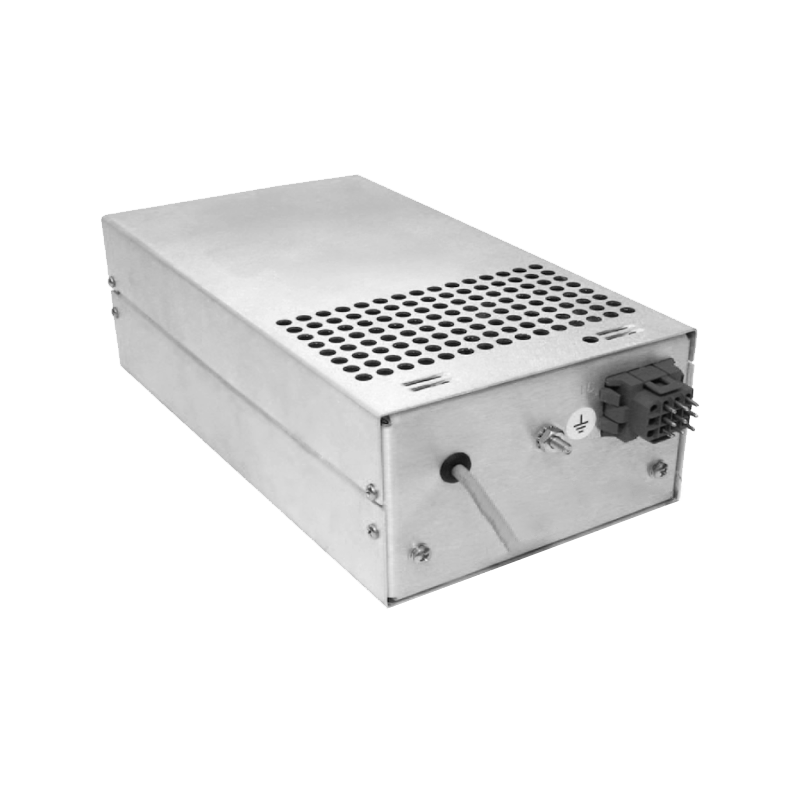
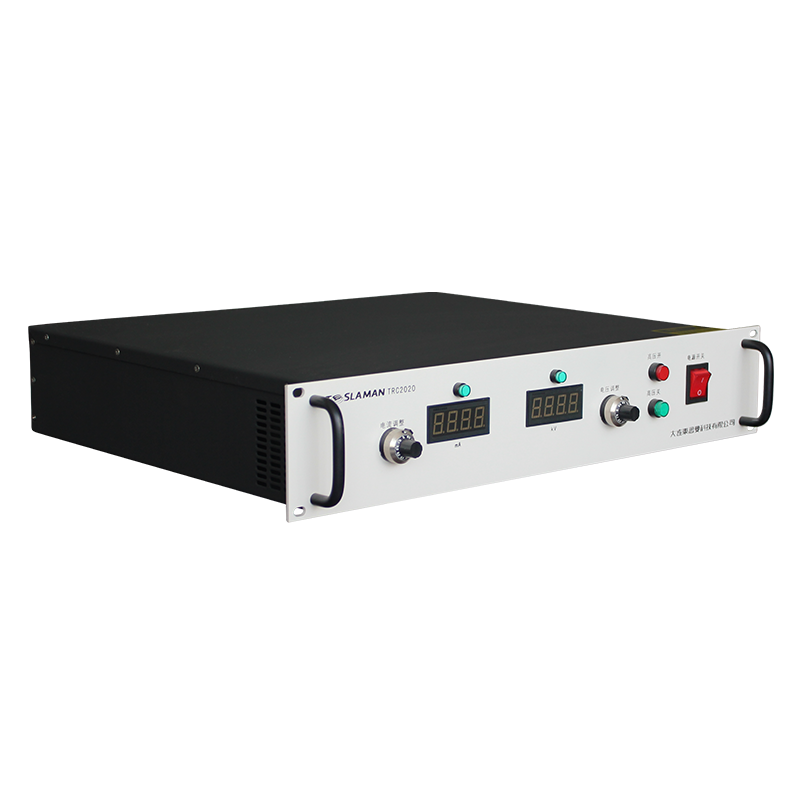
Power supply design for high voltage pulsed operation must address the challenges of generating fast-rising pulses with sufficient current capability. The pulse generator must deliver the required voltage and current to the electrode load, which presents a complex impedance including resistive, capacitive, and inductive components. Switching devices such as insulated gate bipolar transistors or silicon-controlled rectifiers must handle the peak currents and voltage transients associated with pulse operation. Protection circuits prevent damage from short circuits that may occur due to electrode contact or electrolyte conductivity variations.
Energy efficiency analysis for electro-Fenton treatment involves quantifying the electrical energy consumed per unit of pollutant degraded. The figure of merit, typically expressed as kilowatt-hours per gram of chemical oxygen demand removed or per order of magnitude reduction in pollutant concentration, enables comparison of different treatment approaches and optimization of operating conditions. Pulse power supply parameters strongly influence energy efficiency, with optimized pulse conditions often achieving significantly better efficiency than continuous current operation.
Scaling considerations for three-dimensional electro-Fenton systems involve maintaining the relationships between electrode surface area, reactor volume, and power supply capabilities as the system size increases. The increased number of particle electrodes in larger systems requires higher total current from the power supply while maintaining similar current density per unit electrode area. The pulse generator must deliver the required power while maintaining the pulse shape and timing characteristics that provide optimal performance in laboratory-scale systems.
Integration of pulse power supply operation with process control systems enables automated optimization and real-time adaptation to changing wastewater characteristics. Online monitoring of parameters such as pH, dissolved oxygen, and oxidation-reduction potential provides feedback for adjusting pulse parameters to maintain optimal treatment conditions. Machine learning algorithms can learn from operational data to predict optimal power supply settings for different wastewater compositions, reducing the need for manual optimization and improving treatment consistency.
Environmental considerations for electro-Fenton systems extend beyond pollutant degradation to include the fate of iron catalyst, the potential formation of disinfection byproducts, and the overall sustainability of the treatment process. High voltage pulsed power supplies that minimize energy consumption contribute to the environmental sustainability of the treatment process. The absence of added chemicals in the electro-Fenton process, compared to conventional Fenton treatment that requires continuous addition of hydrogen peroxide, represents an additional environmental benefit that enhances the appeal of this technology for industrial wastewater treatment applications.