Plastic Sorting Electrostatic High Voltage Power Supply Innovative Application in Environmental Protection Field
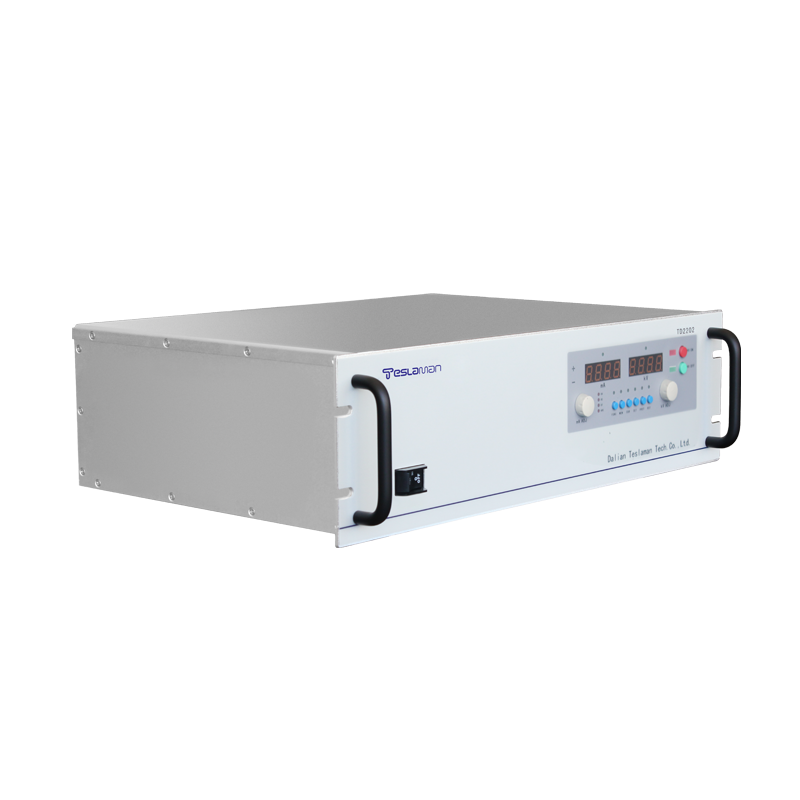
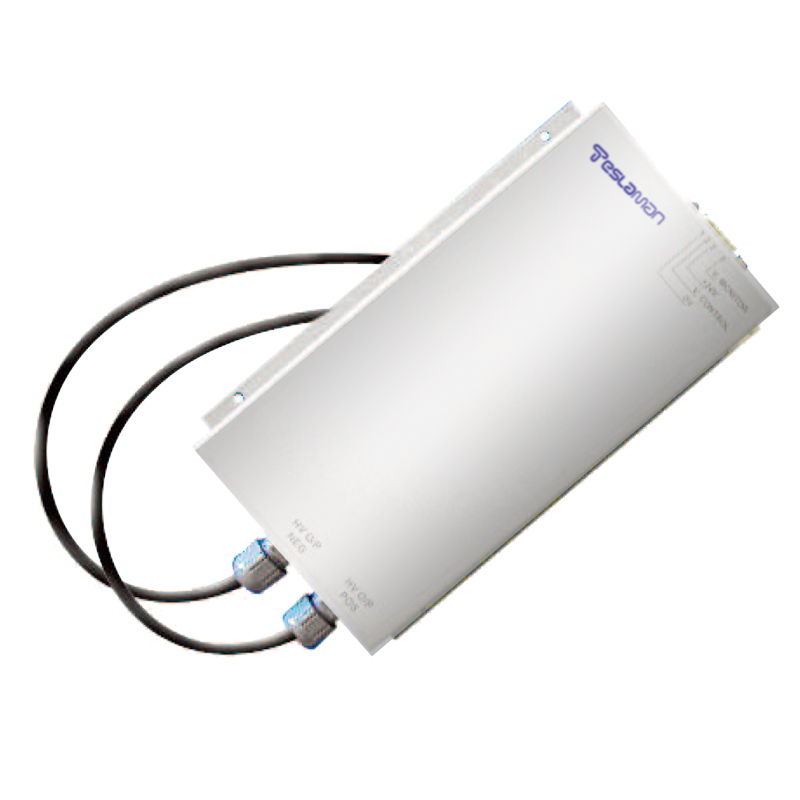
Electrostatic plastic sorting technology has emerged as an effective solution for separating mixed plastic waste streams into pure material fractions suitable for recycling. The separation process relies on triboelectric charging of plastic particles followed by deflection in high voltage electric fields according to their charge polarity and magnitude. High voltage power supplies for electrostatic sorting applications must generate stable high voltage outputs capable of producing the electric fields required for efficient particle separation while operating in the challenging environment of waste processing facilities. The application of high voltage power supplies in this environmental protection context demonstrates innovative use of electrical technology for sustainable materials management.
The fundamental principle of electrostatic plastic sorting exploits differences in triboelectric charging characteristics among different plastic types. When plastic particles contact and separate from other materials, charge transfer occurs based on the relative positions of materials in the triboelectric series. Materials higher in the series tend to lose electrons and become positively charged, while materials lower in the series tend to gain electrons and become negatively charged. Different plastic types exhibit distinct charging tendencies, enabling their separation by electric fields. The high voltage power supply creates the electric field that deflects charged particles, with field strength typically ranging from tens to hundreds of kilovolts per meter depending on particle size and charge level.
Particle charging mechanisms in electrostatic sorting include contact charging, impact charging, and corona charging approaches. Contact charging occurs through direct contact between particles and charging surfaces, with the sign and magnitude of charge depending on material combinations and contact conditions. Impact charging through particle-wall or particle-particle collisions generates charge through repeated contact events. Corona charging uses ionized gas to deposit charge on particles, providing more uniform charging independent of particle material properties. The choice of charging mechanism affects the design of the charging system and the requirements for the high voltage power supply.
High voltage power supply requirements for electrostatic sorting differ from those of other applications due to the unique characteristics of the waste processing environment. Reliability in dusty and potentially corrosive atmospheres requires robust enclosure design and protection of sensitive electronic components. Wide voltage adjustment range enables optimization for different plastic types and particle size distributions. Rapid voltage adjustment capability allows real-time process optimization based on sorting performance monitoring. Current limiting capability protects against arc damage in the event of electrode short circuits by conductive contaminants. The power supply must maintain stable output despite load variations caused by changes in particle flow rate and charge level.
Electrode system design for electrostatic sorting involves geometry optimization for efficient particle deflection while maintaining adequate clearance for high voltage insulation. Drum electrode configurations use rotating cylindrical electrodes that provide continuous particle transport and separation. Parallel plate electrodes create uniform electric fields suitable for linear separator designs. Complex electrode geometries can enhance separation efficiency through field shaping but complicate high voltage insulation design. Electrode materials must resist abrasion from particle impact and contamination from dust accumulation. Regular electrode cleaning maintains consistent electric field patterns and prevents degradation of separation efficiency.
Process optimization for electrostatic plastic sorting involves adjustment of multiple interacting parameters including charging intensity, electric field strength, particle feed rate, and electrode geometry. The high voltage power supply output voltage directly controls electric field strength and consequently particle deflection. Higher voltages increase deflection forces but also increase the risk of electrical breakdown and require larger insulation clearances. Optimal voltage settings depend on the specific plastic mixture being processed and may require adjustment as feed composition varies. Real-time monitoring of separation efficiency enables adaptive voltage control to maintain optimal performance despite feed variations.
Multi-stage sorting configurations improve separation purity by providing multiple opportunities for particles to be correctly classified. Cascade arrangements direct intermediate fractions to additional sorting stages for further purification. Parallel sorting systems increase throughput capacity for high-volume waste processing facilities. The high voltage power supply requirements for multi-stage systems may involve multiple independently controlled outputs or synchronized operation of multiple power supplies. Control system coordination ensures that voltage settings across stages are optimized for overall system performance rather than individual stage performance.
Environmental control in electrostatic sorting facilities addresses both the environmental impact of the process and the environmental effects on process performance. Dust collection systems prevent airborne plastic particles from contaminating the work environment and reducing visibility. Humidity control maintains consistent triboelectric charging characteristics by preventing moisture condensation on particle surfaces. Temperature stabilization minimizes thermal drift in power supply output and electrode expansion effects on electrode spacing. Noise control measures address the sound generated by particle handling and blower systems. These environmental control functions represent additional energy consumption that should be considered in overall process efficiency evaluation.
Safety considerations for high voltage electrostatic sorting systems encompass electrical safety, fire safety, and environmental safety. Interlock systems prevent high voltage activation when access doors are open or when safety shields are removed. Grounding systems provide defined current paths in the event of insulation failure, protecting personnel from electrical shock. Fire suppression systems address the fire hazard presented by accumulated plastic dust and the potential for ignition from electrical arcs. Explosion protection may be required in environments where flammable dust concentrations could develop. Emergency shutdown systems enable rapid de-energization of high voltage circuits when hazardous conditions are detected.
Maintenance requirements for electrostatic sorting high voltage power supplies differ from typical power supply applications due to the challenging operating environment. Regular cleaning of high voltage electrodes removes accumulated dust and plastic particles that could affect electric field patterns and separation efficiency. Inspection of insulation surfaces identifies contamination or degradation that could lead to electrical breakdown. Power supply enclosure seals and filters require periodic replacement to maintain protection against dust ingress. Calibration verification ensures that voltage and current measurements remain accurate over time. Maintenance scheduling based on operating hours and environmental conditions prevents unexpected failures that could disrupt waste processing operations.
Performance metrics for electrostatic sorting systems extend beyond traditional power supply specifications to include process-specific parameters. Separation efficiency measures the percentage of target material recovered in the product stream compared to the amount present in the feed. Product purity measures the percentage of target material in the product stream compared to contaminants. Throughput capacity measures the volume or mass of material processed per unit time. Energy efficiency measures the energy consumed per unit mass of material processed. These process metrics guide optimization efforts and provide the basis for economic evaluation of sorting system performance.
Future developments in electrostatic sorting high voltage power supplies will likely focus on increased intelligence and automation to enable autonomous operation with minimal human intervention. Adaptive control algorithms could optimize voltage settings in real-time based on feed composition analysis and separation efficiency monitoring. Fault diagnosis systems could identify developing problems before they cause system failures, enabling predictive maintenance scheduling. Integration with manufacturing execution systems could enable automatic quality control and performance reporting. Energy efficiency improvements through advanced power supply topologies and intelligent power management will reduce operating costs and environmental impact. These developments will enhance the economic viability of plastic recycling and contribute to sustainable materials management objectives.