Standard Rack-mount High Voltage Power Supply Modular Design Advantages in Multi-device Integration
Laboratory and industrial installations requiring multiple high voltage power supplies benefit significantly from standard rack-mount modular designs that enable efficient integration, simplified maintenance, and scalable system expansion. The adoption of standardized modular approaches for high voltage power supplies addresses practical requirements for multi-device configurations while providing engineering advantages in thermal management, electromagnetic compatibility, and system reliability. Modular design philosophy enables optimization of individual units while maintaining system-level compatibility essential for complex installations in research and production environments.
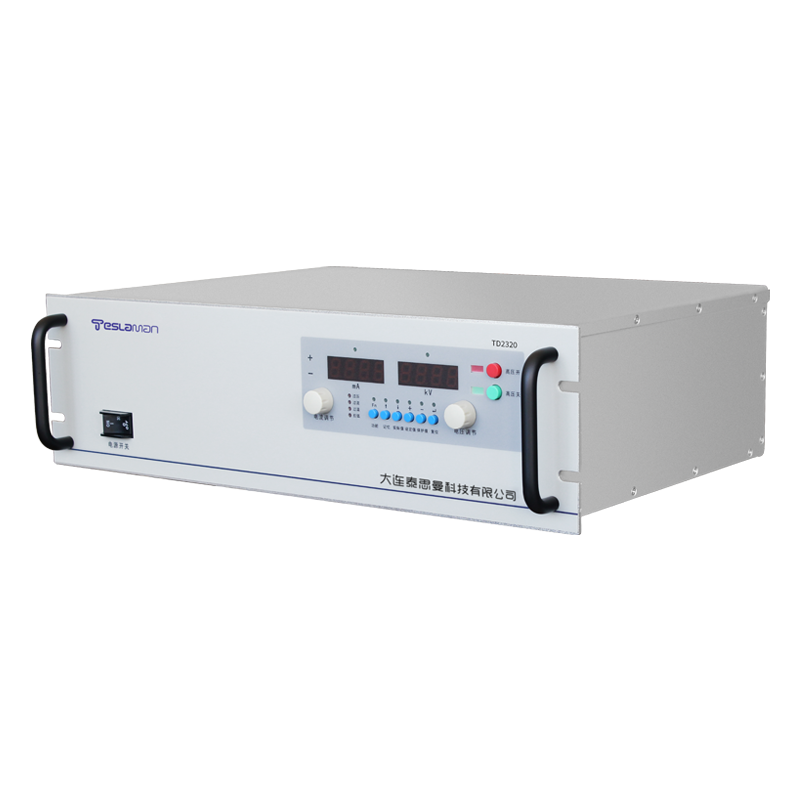
Rack-mount construction provides mechanical compatibility with standard equipment enclosures, enabling straightforward installation in laboratory benches, industrial control panels, and portable equipment racks. The standardized dimensional specifications ensure interchangeability between equipment from different manufacturers, simplifying system integration and enabling future expansion with additional modules. Mechanical design considerations for rack-mount high voltage power supplies include structural integrity under handling and shipping conditions, secure mounting provisions that prevent equipment shift during operation, and appropriate clearances for ventilation and cable management.
Modular design philosophy extends beyond mechanical form factor to encompass electrical and functional architecture that enables flexible system configuration. Power supply modules designed for independent operation can be combined in various configurations to achieve required system capabilities, including series connection for higher voltage, parallel connection for higher current, and multi-channel arrangements for applications requiring multiple independent outputs. Standardized module interfaces define electrical, mechanical, and communication connections that enable modules from different production batches or design revisions to interoperate correctly in integrated systems.
Thermal management in rack-mount modular systems addresses both individual module requirements and aggregate heat loads that occur when multiple modules occupy adjacent rack positions. Natural convection cooling relies on adequate vertical spacing between modules to enable buoyancy-driven airflow, with typical recommendations specifying at least one rack unit of space between high power modules. Forced air cooling employing module-integrated fans or rack-level ventilation systems achieves higher power density, with careful attention to airflow patterns that ensure adequate cooling for all modules without creating hot spots from uneven air distribution. Liquid cooling options enable maximum power density for applications where air cooling capacity is insufficient, with modular liquid cooling connections that enable individual modules to be serviced without disrupting the entire cooling system.
Electromagnetic compatibility considerations become increasingly important in multi-module installations where multiple high voltage power supplies operate in close proximity. Each module generates conducted and radiated electromagnetic interference that can affect adjacent modules and nearby sensitive equipment. Shielding provisions in module enclosures attenuate radiated emissions, while power line filters prevent conducted interference from propagating through power distribution systems. Grounding and bonding practices establish equipotential references for all modules while preventing ground loops that could cause interference coupling. System-level electromagnetic compatibility requires attention to module placement, cable routing, and overall installation practices beyond individual module design.
Power distribution for multi-module rack installations requires appropriate electrical infrastructure including branch circuit protection, power conditioning, and emergency disconnect provisions. Branch circuit sizing accounts for both steady-state power consumption and inrush current requirements during startup, with appropriate derating for ambient temperature and enclosure thermal characteristics. Power conditioning equipment including voltage regulators and isolation transformers protects high voltage modules from facility power disturbances while preventing module-generated interference from affecting other facility loads. Emergency disconnect provisions enable rapid power removal in case of equipment malfunction or safety emergency, with appropriate placement and marking per applicable electrical codes.
Control system integration for multi-module installations requires standardized communication interfaces that enable unified system control while preserving individual module autonomy. Common communication protocols including RS-232, RS-485, Ethernet, and USB provide connectivity options suited for different control system architectures. Modular communication interfaces enable daisy-chain connections that reduce cable complexity, while individual module addressing enables independent control of each module within unified system architecture. Control system software provides operator interface, data logging, and automation capabilities that coordinate multiple modules for applications requiring synchronized or sequenced operation.
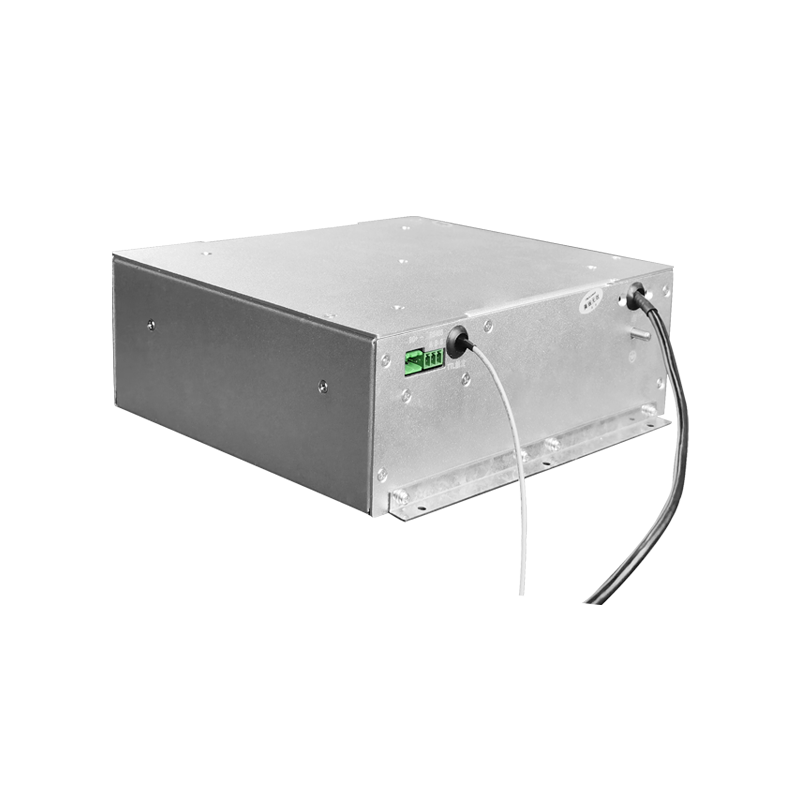
Maintenance accessibility in modular rack-mount systems enables individual module service without affecting other modules in the installation. Front-panel indicators and controls provide local monitoring and adjustment capability, while rear-panel connections enable service access without disturbing front-panel settings. Module replacement procedures allow faulty modules to be exchanged quickly, minimizing system downtime for repair. Hot-swap capability in advanced modular designs enables module replacement without powering down the entire system, critical for applications requiring continuous operation with modular redundancy.
Scalability advantages of modular design enable system expansion through addition of modules rather than complete system replacement. Initial installations can specify module quantities appropriate for immediate requirements, with provision for future expansion through additional rack space and module installation. Module compatibility across design generations enables gradual system updates by replacing older modules with newer versions without requiring complete system reconfiguration. This scalability approach reduces initial capital investment while preserving flexibility for future capability enhancements.
The economic benefits of standard rack-mount modular design extend throughout equipment lifecycle from procurement through operation and maintenance. Standardized designs enable volume manufacturing efficiencies that reduce per-unit costs compared to custom configurations. Simplified installation reduces integration labor and minimizes commissioning time. Maintenance efficiency from modular accessibility reduces service costs and increases equipment availability. The combination of these benefits makes standard rack-mount modular design the preferred approach for most multi-device high voltage power supply applications, providing optimal balance of performance, flexibility, and cost-effectiveness.
Research laboratory applications benefit particularly from modular design flexibility that enables configuration changes as experimental requirements evolve. The ability to add, remove, or relocate modules within rack installations supports dynamic research programs without requiring complete system redesigns. Standardized interfaces ensure compatibility between modules purchased at different times, enabling gradual system development aligned with research funding and program growth.
Industrial process applications employ modular rack-mount power supplies in configurations tailored to specific production requirements. Multi-output systems enable coordinated control of multiple process stations, while independent channel control supports flexible production scheduling. Integration with manufacturing execution systems through standard communication protocols enables automated process control and quality data collection essential for modern manufacturing operations.