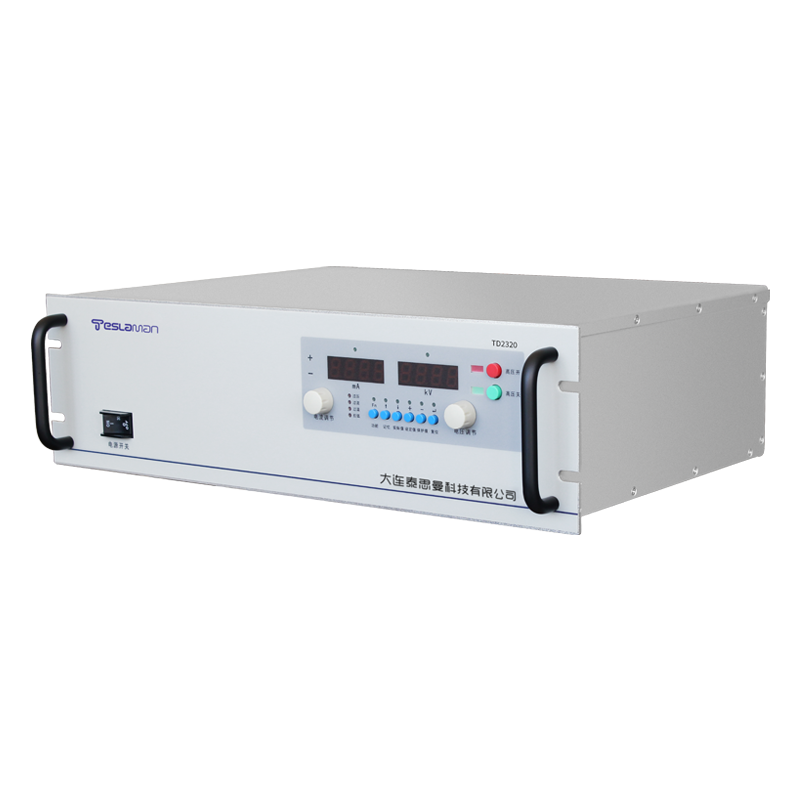
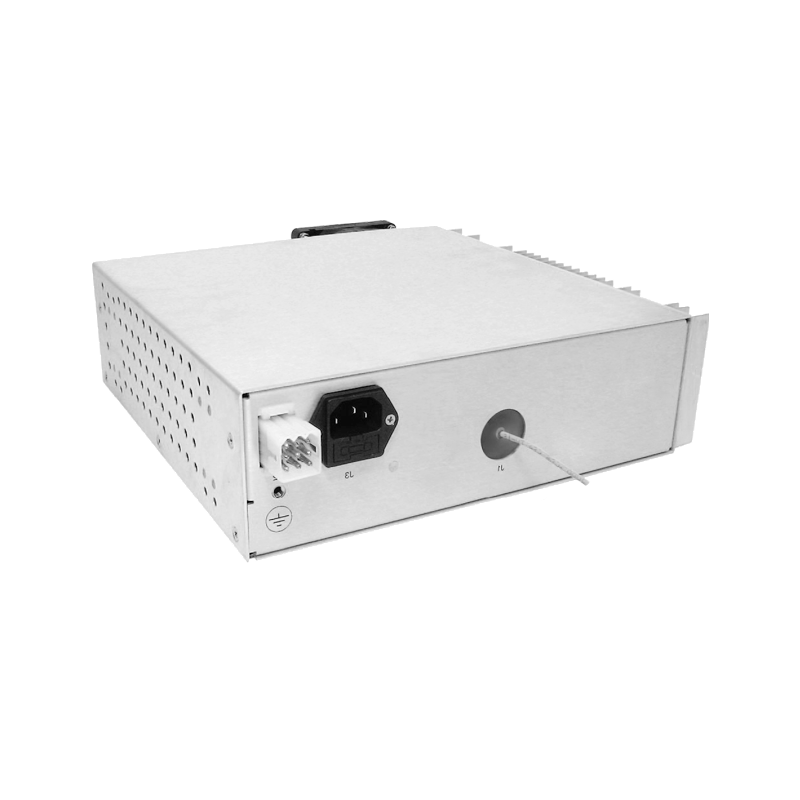
450kV High Voltage Power Supply Non-Destructive Testing Applications in Industrial Material Inspection
Non-destructive testing using high-energy X-rays has become an indispensable technique for examining internal structures of industrial materials and components without compromising their integrity. The 450kV high voltage power supply systems driving X-ray tubes for industrial radiography must deliver exceptional stability, precise control, and robust reliability to produce images suitable for detecting minute defects that could lead to catastrophic failures in service. Industrial material inspection applications span diverse sectors including power generation equipment, pressure vessels, pipeline infrastructure, and heavy machinery components where internal defects could have severe safety and economic consequences. The critical nature of many inspected components demands radiographic systems capable of revealing defects that might escape detection through other non-destructive examination methods.
The generation of X-rays suitable for penetrating substantial material thicknesses requires accelerating electrons to energies commensurate with the inspection requirements. A 450kV X-ray system can typically penetrate steel sections up to approximately 100 millimeters in thickness, making such systems appropriate for a wide range of industrial inspection applications. The relationship between accelerating voltage and X-ray penetration follows a complex function involving material density, atomic number, and thickness, with higher energies generally providing greater penetration capability but requiring increased attention to radiation safety measures. Selection of appropriate X-ray energy for particular inspection applications requires consideration of both penetration requirements and image quality factors that vary with material thickness and composition.
Voltage stability directly impacts image quality in industrial radiography. Fluctuations in accelerating voltage cause variations in X-ray energy spectrum, affecting both penetration characteristics and image contrast. Modern industrial X-ray power supplies achieve voltage stability approaching 0.05 percent under steady-state conditions, enabling consistent image quality across extended exposure times required for thick sections. Stability specifications must account for both short-term fluctuations affecting individual exposures and long-term drift that could influence comparison between sequential images. Stability requirements become more stringent as inspection sensitivity demands increase, with critical applications requiring stability performance significantly exceeding typical commercial specifications.
Current control determines X-ray intensity and consequently exposure time requirements for achieving adequate image density. Higher beam currents produce greater X-ray flux, reducing exposure times but potentially affecting focal spot size due to thermal loading of the X-ray tube target. Power supplies must provide smooth, stable current regulation across the operating range, typically from a few milliamps at maximum voltage down to lower current levels appropriate for thinner sections or high-sensitivity film techniques. Current stability affects both image density consistency and focal spot characteristics, making current regulation performance equally important as voltage stability for image quality.
Ramp-up and ramp-down characteristics of high voltage power supplies influence operational efficiency and component lifetime. Gradual voltage increase during tube warm-up prevents thermal shock to X-ray tube components, while controlled shutdown similarly protects against thermal stress. The profile of voltage and current ramp sequences can be optimized for specific tube types and operating conditions, balancing warm-up time requirements against production throughput demands. Automated ramp sequences ensure consistent treatment of X-ray tubes regardless of operator technique, extending tube lifetime and reducing premature failures attributable to thermal stress.
Focal spot size represents a critical parameter determining image resolution in industrial radiography. Higher beam currents concentrate greater electron energy on the target, potentially causing thermal expansion and effective enlargement of the focal spot. Power supply characteristics influence focal spot stability through current regulation precision and response to line voltage fluctuations. Some advanced systems incorporate focal spot monitoring through analysis of image sharpness, providing feedback for power supply adjustment to maintain optimal resolution. Understanding the relationship between operating parameters and focal spot characteristics enables operators to select conditions that optimize image quality for specific inspection requirements.
Pulsed operation modes offer advantages for certain inspection applications, particularly those involving moving components or requiring reduced total dose delivery. Pulsed X-ray systems can achieve higher instantaneous power levels than continuous operation would permit, enhancing image quality for dynamic inspections while managing overall thermal loading. Power supplies designed for pulsed operation must provide precise timing control and rapid voltage transition capability to generate clean pulse waveforms suitable for high-quality image formation. Pulse parameters including repetition rate, pulse width, and pulse amplitude require coordination with detector response characteristics to achieve optimal image quality.
Cooling system integration ensures reliable operation under demanding industrial conditions. X-ray tubes operating at 450kV convert only a small fraction of electron beam energy into X-rays, with the remainder appearing as heat in the target assembly. Effective cooling removes this heat while maintaining stable operating temperatures that preserve tube component alignment and vacuum integrity. Power supply control systems monitor cooling system parameters and prevent operation when cooling capacity is insufficient, protecting the expensive X-ray tube from thermal damage. Cooling system design must accommodate duty cycle variations encountered in production inspection operations where exposure times and frequencies vary with component complexity.
Radiation safety interlocks form an essential interface between high voltage power supplies and facility safety systems. Industrial radiography installations must prevent X-ray generation when personnel could be exposed to radiation, requiring comprehensive interlock systems covering access doors, radiation monitors, and warning indicators. Power supply designs incorporate fail-safe interlock circuits that require positive confirmation of safe conditions before enabling high voltage, and immediate termination upon any interruption of safety signals. Safety system design must address both normal operating conditions and emergency situations to ensure personnel protection throughout all operational scenarios.
Mobile and field inspection applications present additional challenges for power supply design. Portable X-ray systems used for field inspection of pipelines, bridge structures, and other infrastructure must operate from generator power sources with potentially variable voltage and frequency characteristics. Power supplies for field applications incorporate wider input voltage tolerance, enhanced filtering, and environmental protection measures suitable for outdoor operation in diverse weather conditions. Field applications demand power supply designs that maintain performance specifications despite challenging electrical and environmental conditions encountered at remote inspection locations.
Digital radiography techniques have transformed industrial inspection capabilities, replacing film-based imaging with digital detector arrays offering immediate image display and analysis. Power supply requirements for digital systems parallel those for film radiography, with additional considerations for integration with digital image acquisition systems. The precise timing coordination between X-ray generation and detector readout in some digital systems requires synchronization signals from the power supply controller to ensure optimal image quality. Digital imaging systems offer enhanced defect detection capability through image processing algorithms that require consistent exposure conditions for reliable performance.
Quality assurance programs for industrial radiography facilities mandate periodic verification of equipment performance including power supply stability, X-ray output consistency, and image quality parameters. Calibration standards and test procedures provide the basis for confirming that equipment continues to meet specifications for defect detection capability. Trend monitoring of power supply parameters over time supports predictive maintenance programs that address developing problems before they impact inspection quality or cause unplanned downtime. Comprehensive quality programs ensure that radiographic inspection consistently provides the defect detection capability required for critical industrial applications.