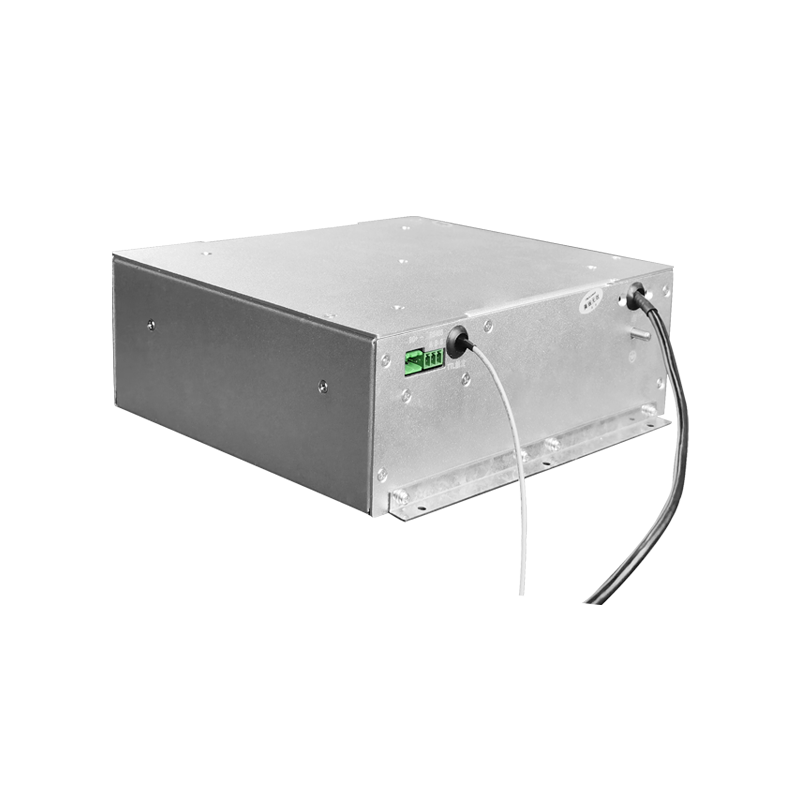
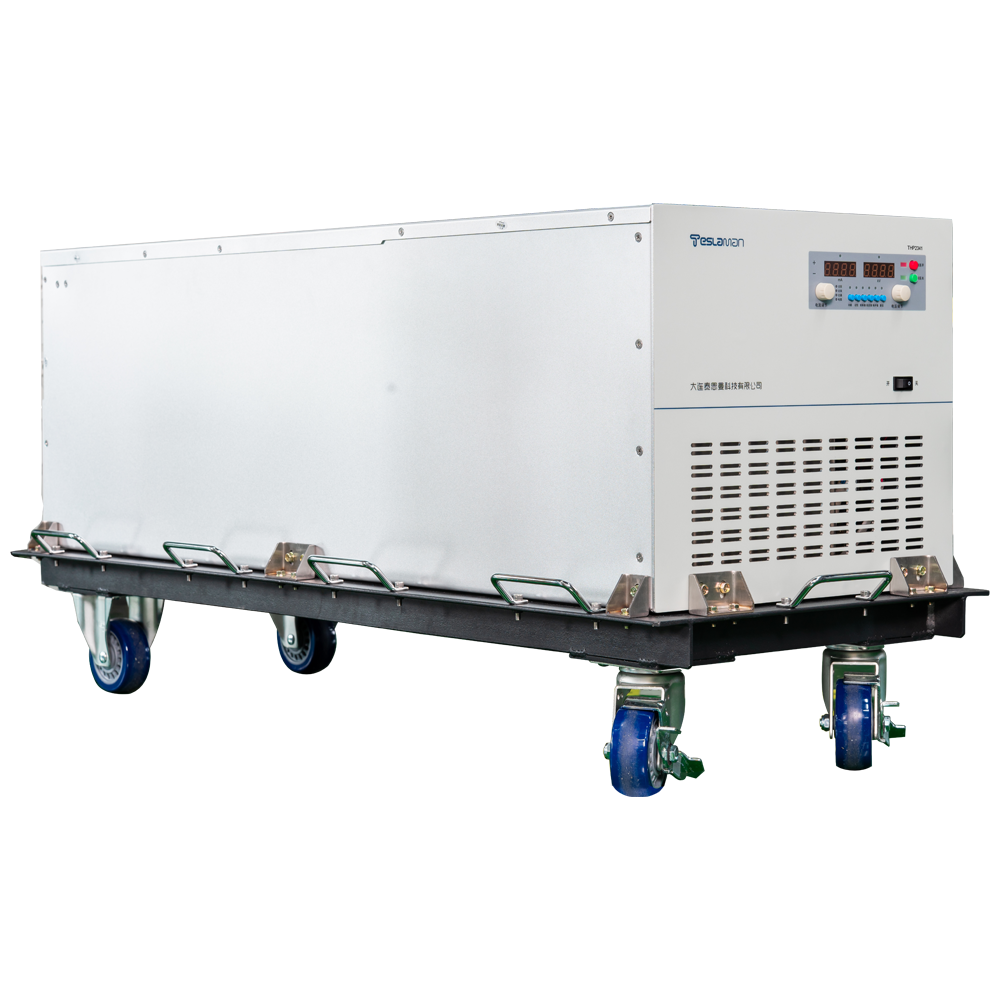
Standard Rack-Mount High Voltage Power Supply Integration in Industrial Automation Production Lines
Industrial automation production lines increasingly incorporate high voltage power supplies for applications ranging from electrostatic processes and plasma treatment to materials processing and quality testing. Standard rack-mount configurations provide practical solutions for integrating these power supplies into automated manufacturing environments where space efficiency, system coordination, and operational reliability are paramount. Understanding integration considerations enables successful deployment of rack-mount high voltage power supplies in production line applications. Integration planning ensures successful production implementation.
Rack-mount packaging offers several advantages for production line installations compared to bench-top or custom enclosure configurations. Standard nineteen-inch rack dimensions enable use of widely available rack cabinets, enclosures, and mounting accessories. Vertical stacking makes efficient use of floor space in production areas where equipment density must be maximized. Standardized mounting facilitates installation, relocation, and maintenance without custom fabrication. These practical benefits make rack-mount format the preferred choice for many industrial high voltage power supply applications. Rack-mount standardization simplifies installation and maintenance.
Power supply selection for rack-mount integration must consider environmental conditions present in production line installations. Industrial environments often present higher levels of airborne particulates, humidity, and temperature variation than typical laboratory settings. Power supplies designed for industrial applications incorporate sealed enclosures, filtered cooling systems, and ruggedized components that withstand harsher conditions than laboratory-grade equipment. Environmental specifications must match the actual conditions in the intended installation location. Environmental compatibility ensures reliable operation.
Thermal management in rack enclosures requires attention to airflow patterns and heat accumulation that might not occur in open bench-top installations. Multiple power supplies mounted in close proximity generate combined heat loads that can raise enclosure temperatures significantly above ambient. Forced air ventilation systems maintain acceptable temperatures by circulating air through the enclosure. Temperature monitoring with alarm thresholds alerts operators to cooling system problems before overheating causes power supply failures. Thermal management prevents temperature-related failures.
Electrical power distribution for rack-mounted high voltage supplies requires appropriate branch circuit sizing, overcurrent protection, and emergency disconnect provisions. Multiple power supplies in a single rack may present substantial total electrical load requiring dedicated branch circuits rather than sharing with other equipment. Branch circuit protection must coordinate with power supply input fusing to provide selective coordination that isolates faults to the affected unit. Emergency stop systems must disconnect all high voltage outputs when activated, typically through control system interlocks that command power supply shutdown. Electrical distribution design ensures safe and reliable operation.
Control system integration connects rack-mount power supplies to production line automation systems through standardized communication interfaces. Digital communication using RS-232, RS-485, Ethernet, or fieldbus protocols enables programmatic control of voltage setpoints, output enable commands, and parameter monitoring. Analog interfaces using voltage or current signals provide real-time control and monitoring compatible with conventional programmable logic controllers. Integration architecture must accommodate communication latency, failure modes, and security requirements appropriate for the production application. Control integration enables automated production operation.
Interlock systems ensure safe operation by preventing high voltage output when unsafe conditions exist. Production line interlocks might include enclosure door switches, safety mat sensors, light curtains, and emergency stop buttons. Power supplies must respond to interlock signals by immediately terminating output and maintaining safe conditions until interlocks indicate that normal operation may resume. Interlock response time specifications must meet safety system requirements for personnel protection. Interlock systems protect personnel and equipment.
Output cable routing from rack-mount power supplies to remote process stations must address high voltage insulation requirements in production environments. Cable trays, conduit, and raceways protect cables from mechanical damage while maintaining appropriate separation from other conductors. Cable length limitations arise from capacitance effects that increase charging current and potential voltage drop under load. Flexible cable installations for moving process stations require high voltage cable designed for repeated flexing without insulation degradation. Cable routing design ensures safe and reliable power delivery.
Remote control panel design provides operators with necessary controls and indicators for production operation while preventing adjustment of parameters that should remain fixed. Key-locked switches or password-protected digital controls restrict access to parameter changes. Status displays show voltage, current, and operational condition clearly for production monitoring. Alarm indicators alert operators to fault conditions requiring attention. Control panel layouts should group related functions logically while conforming to ergonomic principles for production environment usability. Control panel design affects operational efficiency and safety.
Maintenance access considerations influence rack layout and cable management design. Power supplies require periodic inspection, calibration verification, and potential replacement during their operational lifetime. Rack layouts should allow removal of individual units without disconnecting other equipment. Cable management should provide sufficient slack and routing flexibility to permit partial withdrawal for inspection without disconnecting all connections. Modular replacement approaches minimize production downtime when failures occur by enabling quick substitution of spare units. Maintenance access design enables efficient maintenance activities.
Documentation requirements for production line installations include wiring diagrams, interlock logic, parameter settings, and maintenance procedures. As-built documentation captures installation details that may differ from original design drawings. Standard operating procedures define normal operation sequences and responses to fault conditions. Maintenance procedures specify inspection intervals, cleaning requirements, and calibration verification schedules. Complete documentation supports troubleshooting, training, and regulatory compliance activities. Documentation ensures maintainable installations.
Regulatory compliance for production line high voltage installations encompasses electrical safety, electromagnetic compatibility, and application-specific requirements. Electrical installation must conform to applicable electrical codes for wiring methods, grounding, and equipment marking. Electromagnetic compatibility requirements may limit conducted and radiated emissions from power supplies that could affect other production equipment. Application-specific requirements in industries such as medical device manufacturing may impose additional standards on high voltage equipment used in production processes. Regulatory compliance ensures legal and safe operation.
The trend toward fully automated production lines continues to increase integration of high voltage power supplies into manufacturing systems. Standard rack-mount configurations provide practical solutions that balance performance requirements with installation practicality. Successful integration requires attention to electrical, mechanical, thermal, and control system considerations throughout the design and installation process. Power supplies specifically designed for rack-mount industrial applications deliver the reliability and performance that production environments demand. Continued development of rack-mount power supplies enables advancing production automation capabilities. Industry 4.0 initiatives emphasize smart manufacturing and interconnected systems, creating opportunities for intelligent power supplies that communicate operational status and enable predictive maintenance. The integration of high voltage power supplies into automated production environments will continue to evolve as manufacturing technologies advance.