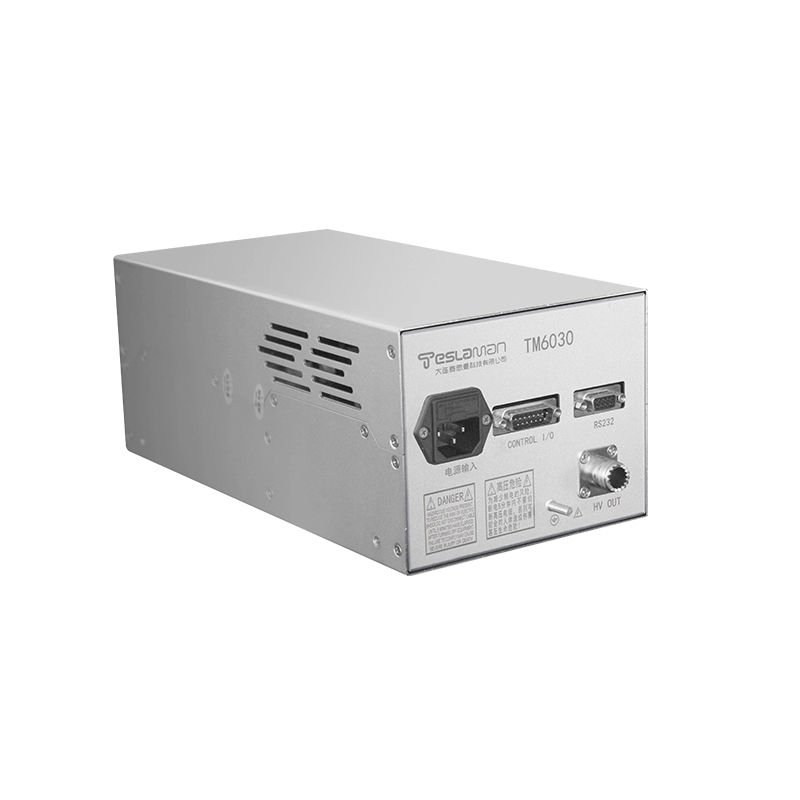
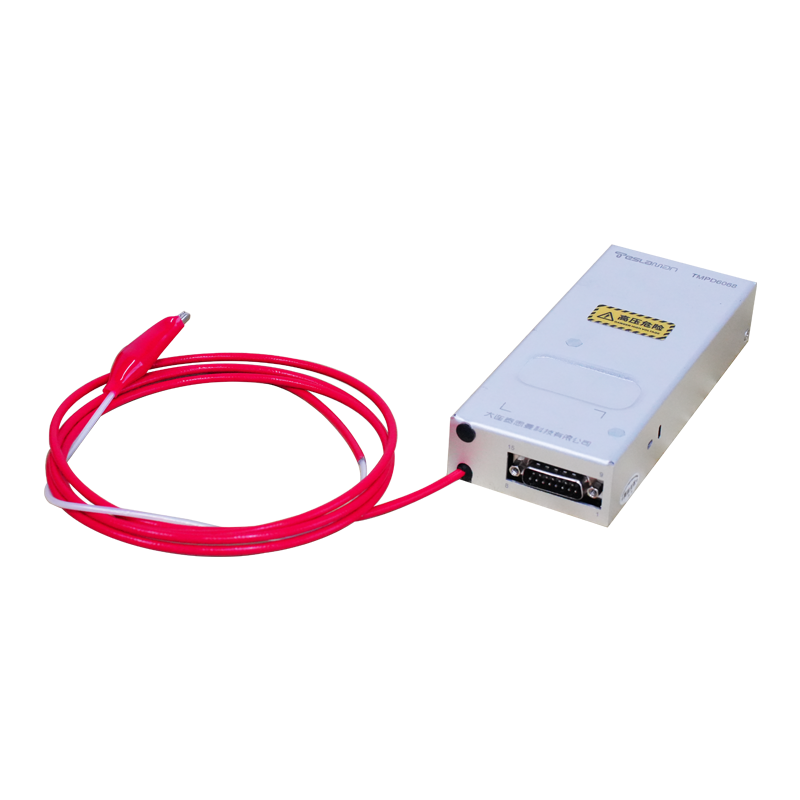
Research Accelerator High Voltage Power Supply Power Management in Electron Beam Melting Equipment
Research accelerator systems employed in electron beam melting equipment require sophisticated power management strategies to achieve optimal processing results while maintaining system reliability and operational efficiency. The power supply systems driving these accelerators must provide precisely controlled electron beam energy while managing the substantial power flows involved in materials processing applications.
Electron beam melting processes utilize focused electron beams with energies typically ranging from 30 to 60 kiloelectron volts to selectively melt metal powder or wire feedstock for additive manufacturing of complex components. The power density delivered to the melt pool reaches megawatts per square centimeter, requiring power supply systems capable of delivering tens of kilowatts of beam power while maintaining precise control over beam position, size, and intensity.
The power management challenge in electron beam melting accelerators begins at the electron gun, where cathode heating power must be precisely controlled to achieve stable electron emission. Thermionic cathodes require heating power typically measured in tens of watts to reach operating temperatures near 2500 degrees Celsius. Excessive heating wastes power and reduces cathode life, while insufficient heating produces unstable emission that compromises process control.
Beam extraction power supply systems must provide stable, controllable output while operating in close proximity to the high-voltage acceleration system. The extraction voltage, typically a few kilovolts, determines the initial electron energy as they leave the cathode region. Precise control of extraction voltage enables modulation of beam current without affecting the main acceleration voltage that determines beam energy.
The main acceleration power supply provides the potential difference that determines electron energy for melting. Voltage stability directly affects beam focus and penetration depth, making power supply regulation characteristics critical to process quality. Power supplies designed for electron beam melting applications typically employ high-frequency resonant conversion topologies that provide excellent regulation while minimizing energy losses.
Beam deflection systems that position the electron beam on the workpiece require coordinated power management with the acceleration system. Magnetic or electrostatic deflection coils consume power that varies with scan speed and deflection angle. Power supplies for deflection systems must provide rapid current transitions to enable high-speed beam positioning while maintaining accuracy in beam position.
Power efficiency considerations in electron beam melting systems influence both operating costs and system thermal management. The electrical-to-thermal energy conversion efficiency in electron beam processes approaches theoretical limits, but losses in power conversion equipment, beam transport systems, and auxiliary equipment add to total facility power requirements. Optimization of power supply efficiency improves overall system economics and reduces cooling requirements.
Load management strategies for electron beam melting equipment must account for the highly variable power demands during typical processing cycles. Rapid transitions between high-power melting phases and lower-power scanning phases create challenges for power supply regulation and thermal management. Power supplies designed for electron beam applications incorporate energy storage and active filtering to maintain stable output despite these load variations.
Fault management in high-power electron beam systems requires rapid detection and response to protect both the power supply and the accelerator components. Arc events in the electron gun or acceleration column can deliver damaging energy pulses if not interrupted quickly. Power supplies incorporate arc detection circuits with response times measured in microseconds to minimize energy delivered into faults.
Thermal management of power supply components directly affects reliability and service life in electron beam melting applications. Power semiconductors, magnetic components, and filter capacitors generate heat during operation that must be removed to maintain acceptable operating temperatures. Water cooling systems provide efficient heat removal but introduce potential reliability concerns related to coolant leaks and pump failures.
Power factor correction and harmonic filtering in electron beam power supplies reduce the impact of these high-power systems on facility electrical infrastructure. The non-linear loads presented by switching power supplies draw current harmonics that can overload transformers, cables, and switchgear not designed for such loads. Active power factor correction circuits shape input current to approximate a resistive load, minimizing harmonic effects and enabling full utilization of facility power capacity.
Redundancy and backup power considerations for production electron beam melting systems influence power supply architecture decisions. Systems designed for high-availability applications may incorporate redundant power supplies with automatic transfer capability to maintain operation despite individual power supply failures. The cost of redundancy must be weighed against the cost of production interruptions when reliability requirements dictate.
Power monitoring and diagnostics provide valuable information for process optimization and predictive maintenance in electron beam melting systems. Real-time measurement of voltage, current, and power parameters enables detection of developing problems before they cause process interruptions. Historical power data supports correlation of power supply performance with product quality metrics and identification of optimal operating parameters.
The continuing development of electron beam melting technology toward higher power levels, faster processing speeds, and more complex materials will drive corresponding evolution in power management systems. Advanced semiconductor devices, improved magnetic materials, and sophisticated digital control algorithms will enable next-generation power supplies to meet the demanding requirements of future electron beam melting applications while improving efficiency, reliability, and process controllability.