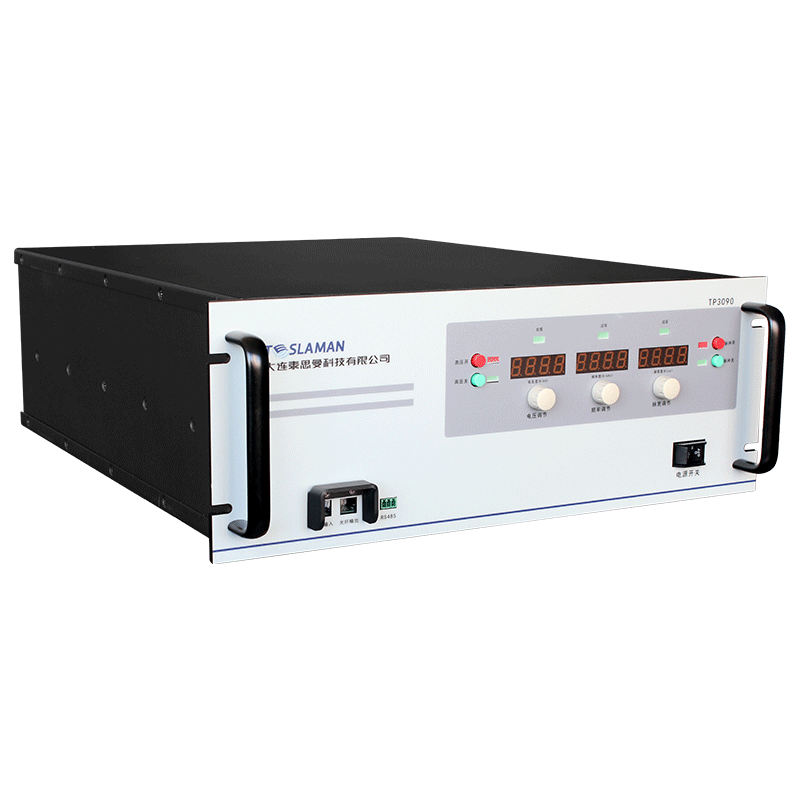
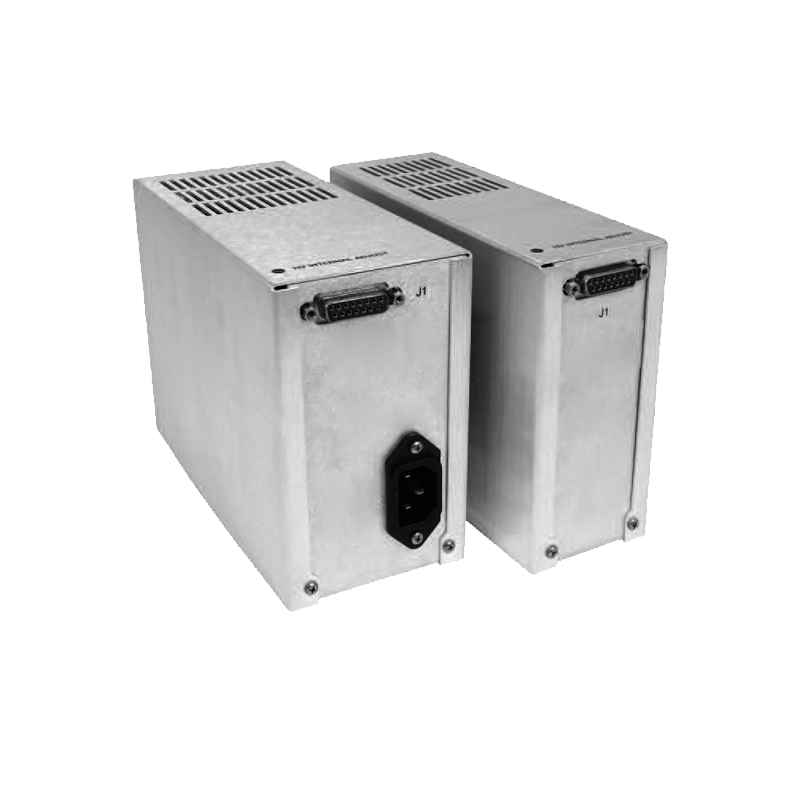
Ion Implantation High Voltage Power Supply High Voltage Protection and Overvoltage Suppression Technology
Ion implantation systems employed in semiconductor manufacturing and surface modification applications require high voltage power supplies providing acceleration potentials up to several megavolts. The protection of these power supplies and associated accelerator systems against overvoltage conditions represents critical engineering challenges requiring sophisticated protection technologies. Understanding protection mechanisms and design approaches enables reliable operation of high voltage systems in demanding production environments. Protection system reliability directly determines equipment availability and production yield in semiconductor manufacturing operations. The economic impact of protection system failures necessitates careful design and maintenance of these systems.
High voltage overvoltage conditions arise from numerous sources including power supply faults, load faults, and external disturbances. Internal faults within power supply components can cause loss of regulation, potentially allowing output voltage to rise uncontrolled toward input voltage levels. Load faults, particularly arcs within accelerator columns, cause rapid voltage redistributions potentially exceeding insulation ratings. External disturbances including lightning strikes and power grid transients can propagate into high voltage systems through inadequate filtering and protection. Each fault source requires specific protection approaches while coordinating with overall protection system architecture. Protection system design must address all potential fault sources comprehensively.
Protection against overvoltage conditions operates at multiple levels within high voltage systems. Primary protection at the input isolates power supplies from external disturbances through surge suppression devices and filtering networks. Secondary protection within power supply stages limits voltage excursions during internal faults through fast-acting semiconductor switches and voltage clamping circuits. Output protection directly at high voltage terminals diverts overvoltage energy away from sensitive accelerator components through spark gaps, voltage-dependent resistors, and crowbar circuits. Multi-level protection ensures fault coverage regardless of fault origin and propagation path. Protection system architecture must coordinate multiple protection levels effectively.
Spark gap protection represents the traditional approach for high voltage overvoltage suppression. Spark gaps consist of electrodes separated by specific gaps designed to break down at predetermined voltages. Upon overvoltage, the gap conducts, diverting current away from protected equipment and limiting voltage rise. Spark gaps offer robust protection handling high energy surges but require replacement or restoration after operation. Recent designs employ triggered spark gaps enabling precise breakdown voltages and faster response. Spark gap selection must consider voltage rating, energy capability, and response time requirements. Spark gap technology continues advancing for improved protection performance.
Voltage-dependent resistor protection provides continuous voltage limiting without the discrete threshold behavior of spark gaps. These nonlinear resistors exhibit dramatically reduced resistance at elevated voltages, limiting overvoltage conditions through current diversion. Voltage-dependent resistors respond faster than spark gaps and reset automatically after overvoltage removal. However, energy handling capability limits application to lower energy surges unless multiple devices are employed. Voltage-dependent resistor selection must consider voltage rating, energy capability, and degradation characteristics over lifetime. Voltage-dependent resistor technology provides complementary protection to spark gaps.
Crowbar circuits provide active overvoltage protection by intentionally short-circuiting power supply outputs upon detection of overvoltage conditions. Voltage monitoring circuits detect overvoltage conditions within microseconds, triggering crowbar operation. Silicon-controlled rectifiers or thyratrons conduct, creating low-impedance paths diverting power supply output current. Crowbar operation removes voltage from protected equipment but requires power supply shutdown for reset, interrupting production. Crowbar circuits provide absolute protection against overvoltage regardless of fault source. Crowbar protection represents a last-resort protection measure.
Arc detection and handling within ion implantation systems requires coordination between power supply protection and accelerator design. Arcs within accelerator columns represent common fault conditions, particularly during system startup or after extended idle periods. Arc detection circuits sensing rapid current increases trigger protection responses including voltage reduction and current limitation. Protection response must limit energy deposited in arcs to prevent damage to column insulators and electrodes. Arc handling algorithms must balance protection speed against false trip susceptibility. Arc detection and handling significantly affect equipment reliability and availability.
Protection system coordination ensures appropriate responses to various fault conditions. Overvoltage protection must operate before insulation failure occurs, typically requiring response times below one microsecond. Current protection must limit fault current before component damage results, requiring response times below ten microseconds. Coordination ensures protection operates in proper sequence, with faster protections addressing high-energy transients before slower protections respond to sustained fault conditions. Protection coordination must account for component tolerances and aging effects. Effective coordination maximizes protection reliability while minimizing false trips.
Redundant protection architectures enhance reliability in critical applications. Multiple protection stages employing different technologies ensure fault coverage even if primary protection fails. Protection system diagnostics monitor protection circuit integrity, alerting operators to degraded conditions before failures occur. Protection system maintenance at regular intervals ensures continued reliable operation, with component replacement on scheduled intervals preventing age-related protection failures. Redundant protection increases system cost but significantly improves reliability. Redundancy design must balance protection coverage against system complexity.
Grounding and shielding design significantly influences protection system effectiveness. Improper grounding allows fault currents to flow through unintended paths, potentially damaging sensitive equipment. Shielding prevents electromagnetic interference from triggering false protection operations while containing fault-induced transients. Grounding system design for high voltage facilities requires careful analysis of fault current paths and potential differences across facility grounding networks. Grounding must satisfy both safety and performance requirements simultaneously. Grounding and shielding design affects both protection effectiveness and electromagnetic compatibility.
Testing and verification of protection system operation require specialized procedures and equipment. Injection of test signals into protection circuits verifies response times and threshold settings without exposing systems to actual fault conditions. High voltage testing of spark gaps and voltage-dependent resistors verifies breakdown voltages and energy handling capability. Regular testing intervals, typically quarterly for production equipment, ensure protection system integrity throughout equipment lifetime. Testing must verify all protection functions without compromising production availability. Protection system testing supports both safety and reliability.
Documentation of protection system design and performance supports regulatory compliance and operational safety. Protection system schematics, settings, and test procedures must be maintained current and accessible to operators and maintenance personnel. Incident investigation procedures address protection system operation during fault events, analyzing protection responses to identify improvement opportunities. Protection system records support safety audits and regulatory inspections required in semiconductor manufacturing facilities. Documentation must satisfy both operational and regulatory requirements. Comprehensive documentation supports both safety compliance and operational excellence.