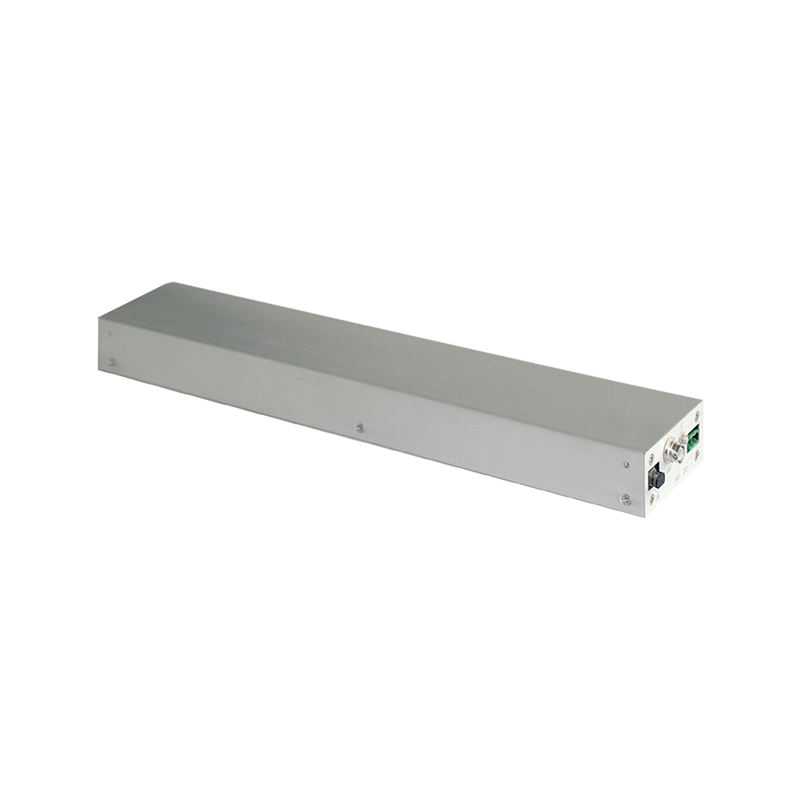
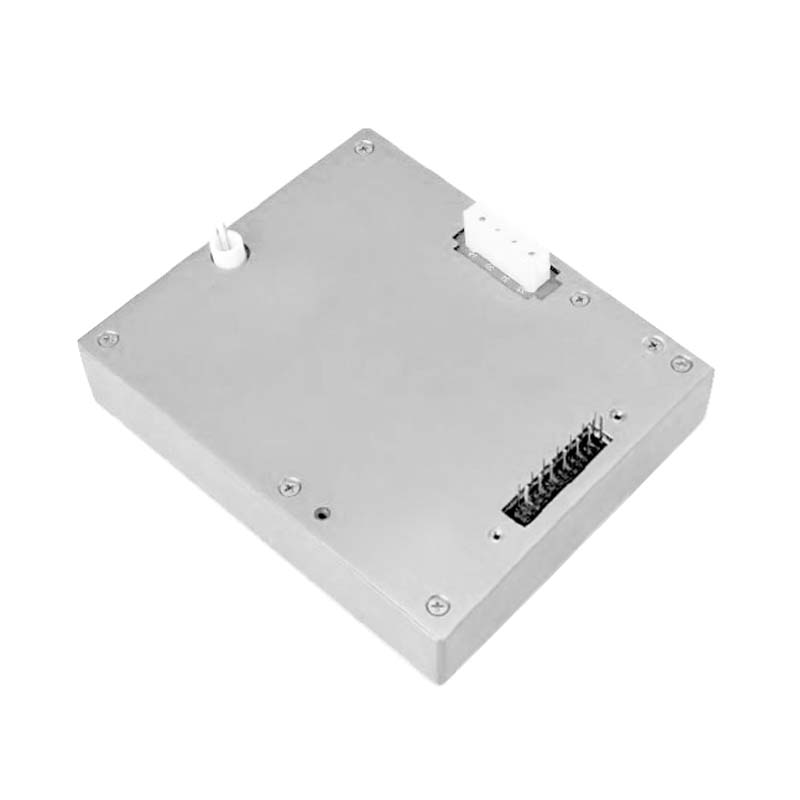
Ampoule Detection High Voltage Power Supply in Glass Container Defect High Voltage Testing
High voltage power supply technology plays a critical role in the ampoule detection process for glass container defect identification. In pharmaceutical manufacturing, ampoules serve as primary packaging for injectable medications, and any defect in the glass wall could compromise product sterility and patient safety. The application of high voltage testing methods enables non-destructive detection of micro-cracks, thin spots, and other structural anomalies that visual inspection alone cannot reliably identify. The pharmaceutical industry has increasingly adopted high voltage testing as a standard quality control measure, recognizing that even microscopic defects can harbor bacteria or permit gas exchange that degrades product stability over time.
The fundamental principle underlying ampoule detection through high voltage testing involves the application of a substantial electric potential across the glass wall of the container. When the glass thickness is uniform and free from defects, the material acts as an excellent electrical insulator, preventing current flow between the high voltage electrode and the grounded detection system. However, when a defect such as a crack or thin section exists, the electrical resistance decreases dramatically, allowing measurable current to pass through. This current variation provides the basis for defect identification and classification. The sensitivity of this detection method depends on multiple factors including the test voltage level, the electrode configuration, the electrical properties of the product within the ampoule, and the signal processing algorithms employed to distinguish genuine defects from normal variations.
Modern high voltage power supplies designed for ampoule detection applications must deliver precise, stable output voltages typically ranging from 5 kilovolts to 30 kilovolts, depending on the ampoule size and wall thickness specifications. The power supply architecture commonly employs high-frequency switching topologies combined with multi-stage voltage multiplication circuits to achieve the required output characteristics while maintaining reasonable physical dimensions. Transformer-based designs remain prevalent due to their inherent galvanic isolation properties and ability to withstand transient voltage stresses encountered during testing operations. The selection of appropriate voltage levels must consider both the defect detection sensitivity required and the risk of damaging sound containers through excessive electrical stress that could cause glass fracture or cracking.
Regulation precision represents a paramount consideration in ampoule detection power supply design. The system must maintain output voltage stability within one percent or better under varying load conditions encountered when testing ampoules of different sizes and wall thicknesses. Feedback control systems incorporating high-precision voltage dividers, operational amplifier error correction circuits, and pulse-width modulation controllers ensure consistent performance across production batch variations. The response time of the regulation system must accommodate the rapid throughput requirements of modern pharmaceutical packaging lines, where testing speeds may exceed several hundred ampoules per minute. Slow response times could result in inconsistent testing conditions and unreliable defect detection, while overly aggressive regulation might cause instability or oscillation.
Safety considerations pervade every aspect of high voltage power supply design for ampoule detection applications. The system must incorporate multiple layers of protection to safeguard operators from electrical hazards while ensuring reliable operation in industrial environments. Interlock systems prevent high voltage activation when access panels are open or when the testing chamber is not properly sealed. Current limiting circuits protect both the power supply and the ampoule under test from excessive energy transfer that could cause glass fracture or damage to sensitive electronic components. Ground fault detection circuits monitor for leakage currents that might indicate equipment malfunction or improper installation, automatically disabling high voltage output when unsafe conditions are detected.
The mechanical integration of high voltage power supplies within ampoule detection systems requires careful attention to electromagnetic compatibility issues. The high voltage generation circuits can produce significant electromagnetic interference that may disrupt nearby sensitive electronic equipment. Shielding strategies, proper grounding techniques, and filtering circuits mitigate these interference effects. The physical arrangement of high voltage conductors, electrode assemblies, and detection electronics must minimize stray capacitance and inductance that could degrade measurement accuracy. Cable routing and connector selection impact both signal integrity and long-term reliability, with high-quality silicone rubber or PTFE insulated cables providing superior performance in demanding production environments.
Calibration and verification procedures for ampoule detection high voltage power supplies demand rigorous protocols to ensure consistent measurement accuracy over extended operational periods. Reference standards traceable to national metrology laboratories provide the basis for periodic calibration checks. Automated self-diagnostic routines embedded in the control system monitor critical performance parameters and alert maintenance personnel when deviations exceed predetermined thresholds. This proactive approach to quality assurance minimizes false rejection rates while ensuring that defective ampoules are reliably identified and removed from production. Documentation of calibration activities, environmental conditions, and operator identifications supports regulatory compliance and facilitates root cause analysis when quality issues arise.
The electrode configuration in ampoule detection systems directly influences measurement sensitivity and defect detection capabilities. Rotating electrode designs enable complete circumferential examination of each ampoule as it passes through the testing station. Contact electrode arrangements provide consistent electrical connection to the product contained within the ampoule, while external electrodes apply the test voltage to the outer glass surface. The geometric relationship between electrodes and ampoule geometry significantly affects the electric field distribution and, consequently, the defect detection sensitivity at various locations on the container wall. Optimization of electrode geometry through computer modeling and experimental validation maximizes detection probability while minimizing testing time and equipment complexity.
Environmental factors influence the performance of high voltage power supplies in ampoule detection applications. Temperature variations affect semiconductor device characteristics and can influence output voltage stability. Humidity levels impact surface leakage currents and may introduce measurement errors if not properly controlled. Production facilities must maintain appropriate environmental conditions within specified ranges to ensure consistent testing results. Climate control systems and humidity regulation equipment form integral components of comprehensive ampoule detection installations. Seasonal variations in ambient conditions may require periodic recalibration or adjustment of operating parameters to maintain consistent defect detection performance throughout the year.
Power supply reliability directly impacts pharmaceutical production efficiency and quality assurance outcomes. Mean time between failures specifications for high voltage power supplies in ampoule detection applications typically exceed 50,000 operating hours. Component selection emphasizes industrial-grade or military-grade parts with proven reliability under demanding operating conditions. Thermal management through forced-air cooling or liquid cooling systems maintains component temperatures within safe operating ranges, thereby extending operational life and reducing maintenance frequency. Preventive maintenance programs based on statistical analysis of failure modes and component degradation patterns minimize unplanned downtime and ensure continuous availability of testing capability.
The selection of appropriate high voltage power supply parameters for specific ampoule applications requires careful consideration of multiple factors. Wall thickness, glass composition, ampoule diameter, and product conductivity all influence the optimal test voltage and current sensitivity settings. Process validation studies establish the appropriate parameter ranges that maximize defect detection probability while minimizing the risk of damaging sound containers through excessive electrical stress. Statistical process control methods monitor daily production quality and trigger investigations when trends indicate potential drift in detection sensitivity. Continuous improvement programs incorporate feedback from field performance to refine testing parameters and enhance overall quality system effectiveness.
Training programs for personnel operating ampoule detection equipment must address both theoretical principles and practical troubleshooting techniques. Operators need sufficient understanding of high voltage safety protocols, measurement principles, and system calibration procedures to maintain testing quality throughout production campaigns. Documentation systems record operator training completion, equipment maintenance activities, and calibration verification results to support regulatory compliance requirements in pharmaceutical manufacturing environments. Competency assessments verify that operators can correctly interpret test results, respond appropriately to alarm conditions, and perform routine maintenance tasks without introducing errors or safety hazards.