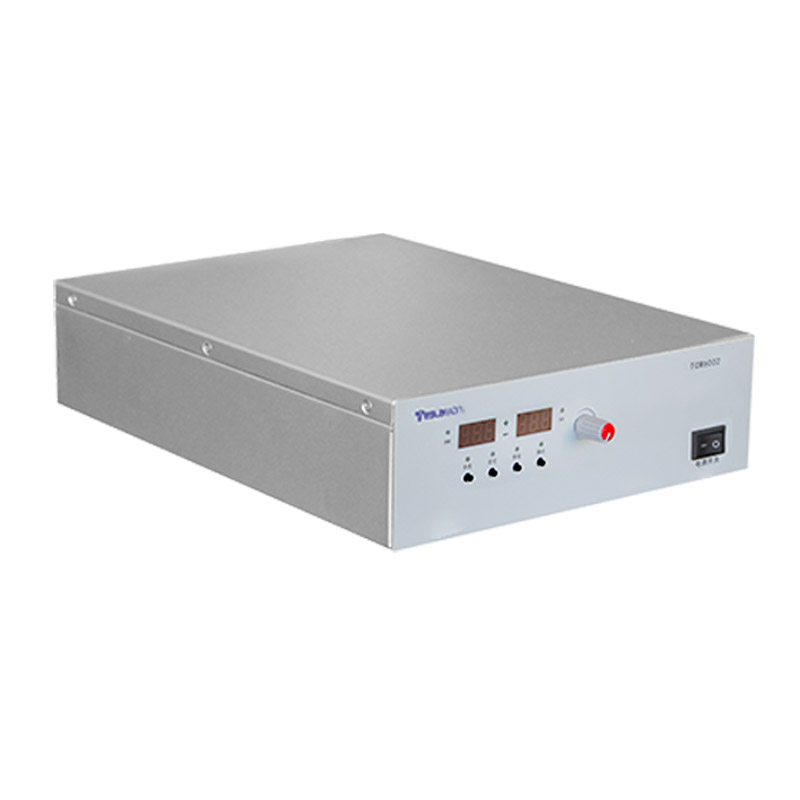
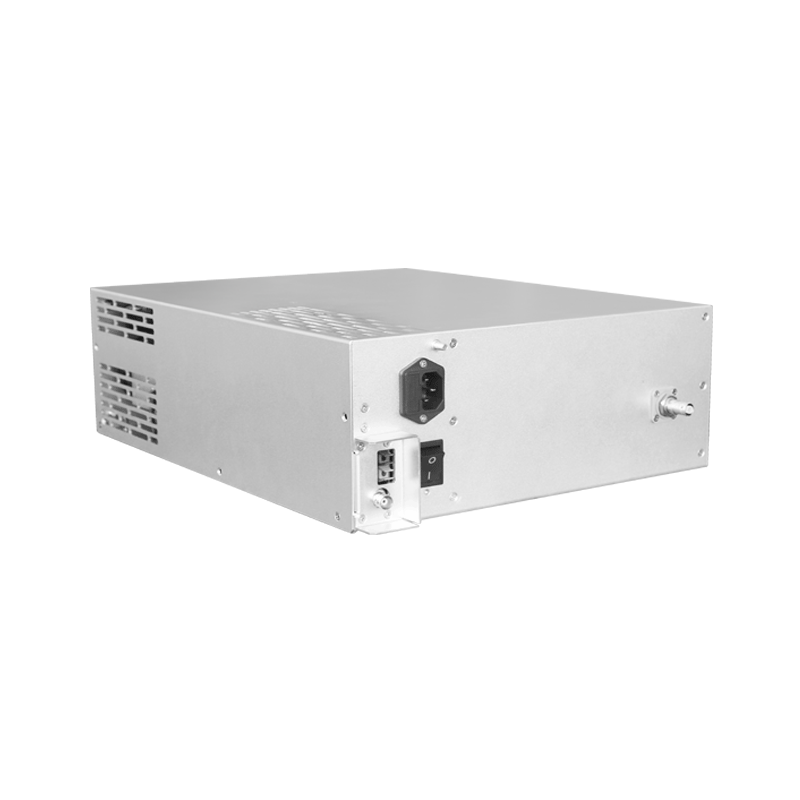
Plastic Sorting High Voltage Power Supply Deployment in Waste Plastic Automatic Sorting Lines
Waste plastic automatic sorting lines rely on high voltage power supplies for electrostatic separation processes that distinguish between different plastic types based on their electrical properties. The deployment of high voltage power supplies in these systems requires careful consideration of environmental conditions, reliability requirements, and performance characteristics that differ significantly from clean-room manufacturing applications.
Electrostatic separation of plastics operates on the principle of triboelectric charging, where different plastic materials acquire different charge polarities and magnitudes through contact and friction processes. High voltage power supplies generate the electric fields that separate these charged particles. The efficiency of separation depends critically on the voltage levels and field configurations employed. Optimization of voltage parameters requires understanding of the specific plastic types being sorted and their triboelectric properties.
Harsh environmental conditions in waste processing facilities present significant challenges for high voltage power supply deployment. Dust, humidity, and temperature variations far exceed levels encountered in controlled manufacturing environments. Power supply designs must incorporate robust environmental protection measures including sealed enclosures, filtered ventilation, and corrosion-resistant components. The cost implications of these protection measures must be balanced against reliability and maintenance requirements.
Reliability requirements in waste sorting applications differ fundamentally from those in manufacturing applications. Sorting lines typically operate continuously with limited maintenance windows. Power supply failures can cause complete line shutdowns with significant economic consequences. Mean time between failures becomes a critical metric, and power supply designs must prioritize reliability over peak performance. Redundancy configurations and hot-swap capabilities enable maintenance without complete line shutdowns.
The wide range of plastic types encountered in waste streams creates varying load conditions that challenge power supply performance. Different plastic materials exhibit different electrical conductivity and charge retention characteristics. As the composition of incoming waste varies, power supplies must maintain stable output across changing load conditions. Adaptive control algorithms that adjust output parameters based on real-time sorting efficiency metrics help maintain performance across varying feed compositions.
Safety considerations in waste sorting facilities require special attention due to the presence of untrained personnel and public access areas. High voltage systems must incorporate comprehensive safety interlocks, warning systems, and physical barriers. Automatic shutdown systems must respond to fault conditions before safety hazards develop. Safety system design must accommodate the messy and unpredictable conditions typical of waste processing environments.
Energy efficiency has become increasingly important for waste plastic sorting operations as environmental regulations and operating costs drive demand for more sustainable processes. High voltage power supplies represent significant energy consumers in sorting lines, and efficiency improvements directly reduce operating costs and environmental impact. Advanced power conversion topologies with higher efficiency than traditional designs offer economic benefits that justify higher initial costs.
Electromagnetic compatibility requirements in waste sorting facilities differ from those in electronics manufacturing environments. The presence of other electrical equipment, including motors, conveyors, and metal detectors, creates electromagnetic interference that power supplies must tolerate without performance degradation. Conversely, power supplies must not generate interference that affects other sorting equipment. EMC design must account for the specific interference characteristics of waste processing environments.
Installation and commissioning procedures for high voltage systems in waste sorting facilities require specialized approaches. Limited technical expertise at typical installation sites necessitates simplified setup procedures and comprehensive documentation. Self-diagnostic capabilities and clear error indicators help local personnel identify and resolve common problems without specialized support. Remote monitoring and diagnostic capabilities enable expert support for troubleshooting complex issues.
Maintenance accessibility for high voltage power supplies in waste sorting environments requires careful design consideration. Dirty and confined conditions typical of waste processing facilities make maintenance tasks difficult and hazardous. Power supply designs should facilitate maintenance through accessible component placement, clear labeling, and modular construction that enables quick replacement of failed components. Sealed designs that require minimal maintenance offer advantages in these applications.
Integration with overall sorting line control systems requires standardized communication interfaces and protocols. Modern waste sorting lines employ sophisticated control systems that coordinate multiple sorting stages and optimize overall throughput and purity. High voltage power supplies must provide comprehensive status and diagnostic information through standard industrial communication protocols. Real-time performance data enables optimization of sorting parameters based on overall line performance.
Scalability requirements for plastic sorting operations vary widely depending on facility capacity and waste stream characteristics. Modular power supply configurations enable capacity expansion without complete system replacement. Standardized interfaces between power supplies and separation equipment simplify integration and enable flexible deployment strategies. Understanding the scalability characteristics of different power supply technologies helps in selecting appropriate solutions for specific applications.
Economic factors influencing power supply selection for plastic sorting include capital costs, operating costs, and return on investment calculations. Initial power supply costs must be balanced against energy efficiency, reliability, and maintenance requirements over the equipment lifetime. Energy costs represent ongoing operational expenses that efficient power supplies can reduce. Understanding the economic tradeoffs helps in selecting power supplies that provide appropriate value for specific applications.
Market dynamics in plastic recycling affect the economic viability of sorting operations and influence investment decisions. Variations in recycled plastic prices, collection volumes, and regulatory requirements all impact the business case for sorting equipment investments. Power supply reliability directly affects sorting line availability and therefore facility throughput and revenue. Economic analysis must account for market uncertainties as well as technical factors.
Workforce considerations in waste plastic sorting facilities affect power supply requirements through operator training and maintenance capability. Limited technical expertise at typical facilities necessitates power supply designs that minimize operator intervention and provide clear diagnostic information. Training programs must address both normal operation and fault response procedures. Remote support capabilities help address problems that exceed local expertise.
Technology development trends in plastic sorting include improved separation efficiency, higher throughput rates, and automated quality control. These trends create evolving requirements for power supply performance. Integration with advanced sensing and artificial intelligence systems requires power supplies with sophisticated communication and control capabilities. Understanding technology trends helps in selecting power supplies that can support future process improvements.
Process optimization strategies for plastic sorting operations must consider both technical performance and economic viability. Sorting efficiency depends critically on triboelectric charging effectiveness, which varies with material types and environmental conditions. Power supply optimization must balance separation efficiency against energy consumption and equipment wear. Understanding process dynamics helps in developing optimization strategies that improve overall sorting performance.
Industry trends toward increased recycling rates and improved material recovery create evolving requirements for sorting technology. Regulatory requirements for recycled content in new products drive demand for more efficient sorting processes. Power supply technology must evolve to support these industry trends while maintaining cost effectiveness. Understanding market dynamics helps in planning sorting facility investments and technology upgrades.