Irradiation Sterilization High Voltage Power Supply Effect Verification in Fruit Preservation Treatment
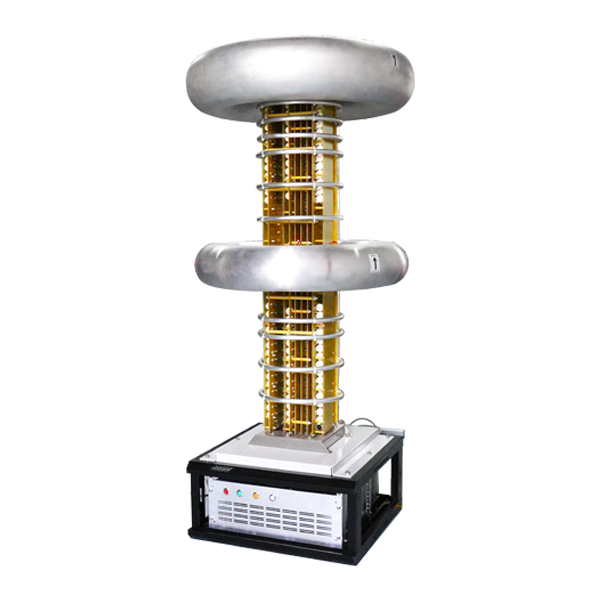
The application of irradiation sterilization technology to fruit preservation represents a significant advancement in food science that extends shelf life while maintaining nutritional quality. The high voltage power supply that drives the electron beam or X-ray source for irradiation must deliver consistent performance to achieve the desired sterilization effect. Verification of the power supply effect on the treatment outcome requires a comprehensive approach that combines electrical measurement with biological assessment. Over decades of work in high voltage technology, the relationship between power supply parameters and treatment efficacy has been established through careful experimental investigation.
The fundamental principle of irradiation sterilization involves the interaction of high-energy electrons or X-rays with the microorganisms present on the fruit surface. The radiation damages the DNA of bacteria, fungi, and other pathogens, preventing their reproduction and causing their death. The effectiveness of this treatment depends on the absorbed dose delivered to the fruit, which is directly related to the operating parameters of the high voltage power supply. The beam energy determines the penetration depth of the radiation, while the beam current determines the dose rate. The product of these parameters along with the treatment time determines the total dose delivered.
Dosimetry verification forms the cornerstone of the effect validation process. Standard dosimeters such as alanine pellets, radiochromic films, and thermoluminescent detectors are placed at various positions on and within the fruit samples to measure the actual absorbed dose. The measured dose distribution must be compared with the calculated dose based on the power supply parameters to verify the consistency of the system. Discrepancies between measured and calculated doses indicate problems with the power supply calibration or with the beam transport system. The dosimetry protocol should follow international standards such as those established by the ASTM International for radiation processing.
The energy stability of the high voltage power supply directly affects the dose uniformity within the fruit. Fruits with different sizes and densities require different beam energies to achieve uniform dose distribution throughout the volume. For example, apples with a diameter of 80 millimeters require electron beam energies of at least 5 MeV to achieve adequate penetration, while berries with a diameter of 15 millimeters can be treated effectively with 2 MeV electrons. The high voltage power supply must maintain the specified energy within tight tolerances throughout the treatment session to ensure consistent penetration depth. Energy variations of more than a few percent can result in underdosing of the center of large fruits or overdosing of the surface.
Beam current stability is equally important for dose uniformity across the treatment area. The electron beam is typically scanned across the fruit as they pass through the irradiation zone on a conveyor system. Variations in beam current during the scan cause corresponding variations in the dose delivered to different parts of the fruit. The high voltage power supply must regulate the beam current with precision, compensating for changes in the electron gun characteristics and the vacuum conditions. Real-time beam current monitoring with feedback to the power supply control system ensures that the dose remains within the specified range even during long treatment sessions.
The dose rate delivered by the power supply affects the biological response of the fruit and the microorganisms. High dose rates can cause more damage to the fruit tissue due to the reduced opportunity for oxygen diffusion and repair mechanisms. Low dose rates require longer treatment times, which may be impractical for commercial operations. The optimal dose rate must be determined experimentally for each fruit type and treatment goal. The high voltage power supply should be capable of operating over a range of dose rates to accommodate different treatment requirements. The transition between dose rates must be smooth and predictable to maintain process control.
Microbiological testing provides direct evidence of the sterilization effect. Samples of treated fruit are analyzed for the presence of target microorganisms such as Escherichia coli, Salmonella, and Listeria monocytogenes. The reduction in microbial load is quantified and compared with the requirements for the specific application. The correlation between power supply operating parameters and microbial reduction establishes the process window for effective treatment. The verification protocol should include both immediate post-treatment testing and testing after storage periods to assess the long-term preservation effect.
Quality attributes of the fruit must be evaluated to ensure that the irradiation treatment does not cause unacceptable changes in the product. Parameters such as firmness, color, flavor, and nutritional content are measured before and after treatment. The high voltage power supply must be operated at parameters that achieve the sterilization goal while minimizing negative effects on fruit quality. The relationship between power supply parameters and quality retention is complex and depends on the fruit variety, maturity, and storage conditions. Systematic studies over many years have established operating guidelines for common fruit types.
The conveyor speed and fruit orientation relative to the beam direction affect the dose distribution and must be coordinated with the power supply operation. The high voltage power supply must be capable of continuous operation at the required beam parameters for the duration of the treatment session. Interruptions in power supply operation cause variations in the treatment that can compromise the preservation effect. The power supply reliability requirements for food processing applications are stringent, as unscheduled downtime can result in large quantities of untreated product. Redundant power supply systems are often employed in commercial facilities to ensure continuous operation.
Temperature control during irradiation affects both the sterilization efficiency and the fruit quality. The high voltage power supply generates heat that must be dissipated to maintain stable operating temperature. The temperature of the fruit during treatment can influence the sensitivity of microorganisms to radiation and the rate of biochemical reactions that affect fruit quality. The power supply cooling system must be designed to prevent heat transfer to the treatment area. Additionally, the irradiation process itself causes some heating of the fruit, and this temperature rise must be accounted for in the process design.
Verification of the high voltage power supply effect in irradiation sterilization requires a multidisciplinary approach that combines electrical engineering, radiation physics, food science, and microbiology. The correlation between power supply parameters and treatment outcomes must be established through rigorous experimentation and statistical analysis. The verification protocols should be documented as part of the quality management system for the irradiation facility and should be reviewed and updated as new scientific knowledge becomes available. The successful application of irradiation sterilization to fruit preservation depends on the reliable performance of the high voltage power supply and the thorough verification of its effect on the treatment outcome.