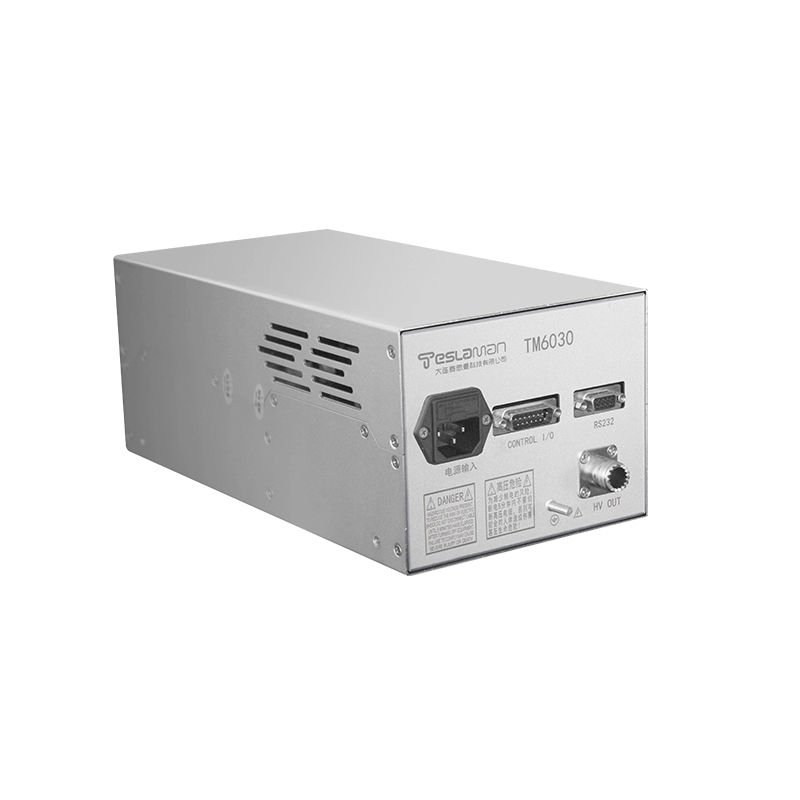
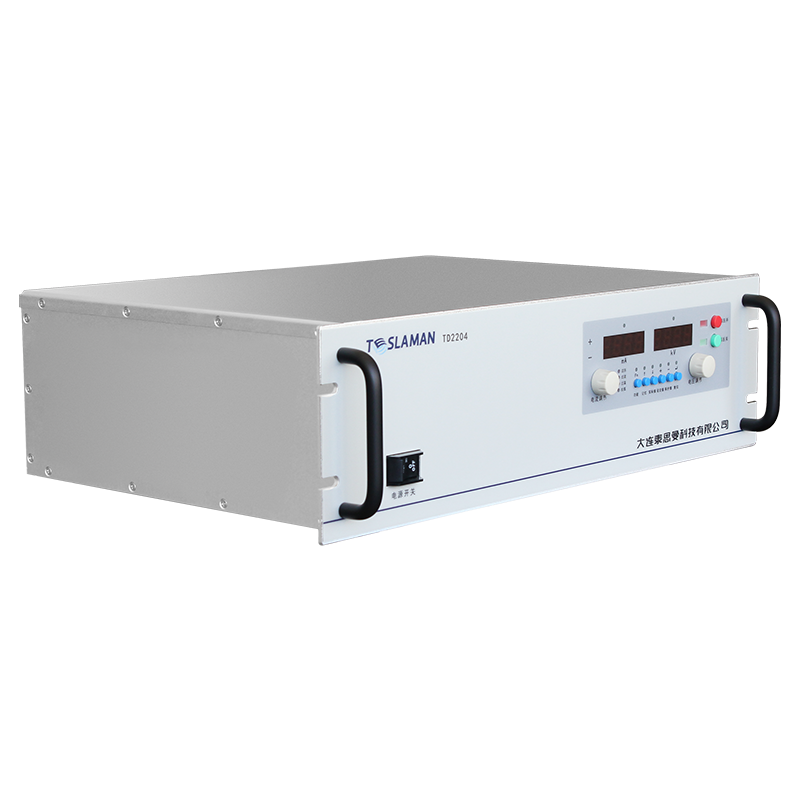
225kV High Voltage Power Supply Application in Material Irradiation Modification Experiment
The 225 kilovolt high voltage power supply occupies a unique position in the spectrum of material irradiation modification equipment. This voltage level provides an optimal balance between penetration depth and surface sensitivity for a wide range of materials. Over five decades of experience with high voltage systems have demonstrated that the 225kV level is particularly well-suited for modifying the surface properties of metals, polymers, and ceramics without causing excessive bulk damage. The irradiation modification process involves directing accelerated ions or electrons at the material surface, where they interact with the atomic structure to produce controlled changes in material properties.
The experimental setup for material irradiation modification typically includes the high voltage power supply, an ion or electron source, a beam transport system, and a target chamber. The 225kV power supply provides the accelerating voltage that determines the energy of the charged particles. The particle energy must be carefully selected based on the desired modification depth and the nature of the material being treated. For ion implantation applications, the 225kV voltage level enables penetration depths ranging from a few tenths of a micrometer to several micrometers depending on the ion species and the target material.
Surface hardening of metals represents a significant application of 225kV irradiation modification. The implantation of nitrogen or carbon ions into the surface of steel components creates a hardened layer that resists wear and corrosion. The depth of the modified layer is determined by the ion energy, which is set by the high voltage power supply. The 225kV level provides sufficient energy to create a hardened layer of practical thickness while maintaining the bulk properties of the material. The dose of implanted ions must be controlled precisely to achieve the desired hardness without causing excessive surface damage or embrittlement.
Polymer surface modification through irradiation at 225kV enables the creation of functional surfaces with tailored properties. The irradiation of polymer surfaces with ions or electrons can increase surface energy, improve adhesion, enhance biocompatibility, or create conductive pathways. The penetration depth of the particles at 225kV is sufficient to modify the surface region without degrading the bulk polymer properties. The high voltage power supply must provide stable voltage output to maintain consistent modification depth across the treated area. Variations in the accelerating voltage cause corresponding variations in the modification depth, resulting in non-uniform surface properties.
The effect of irradiation on the polymer structure depends on the type and energy of the particles and the dose delivered. Cross-linking and chain scission are the two primary mechanisms of polymer modification under irradiation. Cross-linking increases the molecular weight and improves mechanical properties, while chain scission reduces molecular weight and can lead to degradation. The balance between these mechanisms depends on the irradiation conditions, with the particle energy determined by the high voltage power supply playing a key role. The 225kV energy level has been found to favor cross-linking in many common polymers, making it suitable for improving polymer performance.
Ceramic materials can also benefit from irradiation modification at 225kV. The irradiation of ceramics with high-energy ions can create defects that modify the optical, electrical, or mechanical properties of the material. The controlled introduction of color centers in transparent ceramics enables the creation of optical filters and sensors. The modification of the electrical conductivity of ceramic surfaces through ion implantation enables the fabrication of electronic devices on ceramic substrates. The high voltage power supply must deliver precise voltage control to achieve the desired defect density and distribution.
Beam current control is equally important as voltage control in irradiation modification experiments. The beam current determines the dose rate, which affects the modification kinetics and the final properties of the treated material. High dose rates can cause local heating that alters the modification process, while low dose rates require extended treatment times. The 225kV power supply must provide stable current output over the range required for the specific experiment. The current regulation should be maintained within a few percent of the set point to ensure consistent modification results.
The vacuum system in the irradiation chamber must maintain a pressure low enough to prevent beam scattering and contamination of the sample surface. The high voltage power supply is typically located outside the vacuum chamber, with the high voltage connection passing through an insulated feedthrough. The design of the feedthrough must withstand the full 225kV operating voltage while maintaining the vacuum integrity of the chamber. The feedthrough insulation must be designed to prevent surface flashover, which can occur at lower voltages than breakdown through the bulk insulation material.
Sample temperature control during irradiation is critical for achieving the desired modification results. The irradiation process deposits energy in the sample, causing heating that can affect the modification kinetics. The sample temperature must be maintained within the specified range for the experiment, requiring active cooling or heating as needed. The high voltage power supply must be capable of operating for extended periods at the required power level to complete the irradiation treatment. Thermal management of the power supply itself is also important to ensure stable operation during long experiments.
Diagnostic systems for monitoring the irradiation process include beam current measurement, sample temperature monitoring, and in-situ measurement of sample properties. The beam current measurement must be accurate and reliable, as the dose delivered to the sample is calculated from the beam current integrated over time. The high voltage power supply should provide a stable reference for the beam current measurement system. The diagnostic data should be recorded and analyzed to verify that the irradiation conditions remain within the specified range throughout the experiment.
Safety considerations for 225kV irradiation experiments include personnel protection from high voltage and radiation hazards. The high voltage power supply must be enclosed in a shielded housing that prevents accidental contact with live components. The access to the irradiation chamber must be controlled through an interlock system that prevents entry when the high voltage is active. Radiation monitoring must be provided in the experimental area to detect any leakage of radiation from the irradiation chamber. The safety systems must be tested regularly to ensure their proper function.
The 225kV high voltage power supply has proven to be a versatile tool for material irradiation modification experiments across a wide range of materials and applications. The combination of adequate penetration depth, precise control, and reliable operation makes this voltage level particularly suitable for research and development applications. The continued advancement of high voltage power supply technology will further expand the capabilities of irradiation modification as a tool for creating advanced materials with tailored properties.