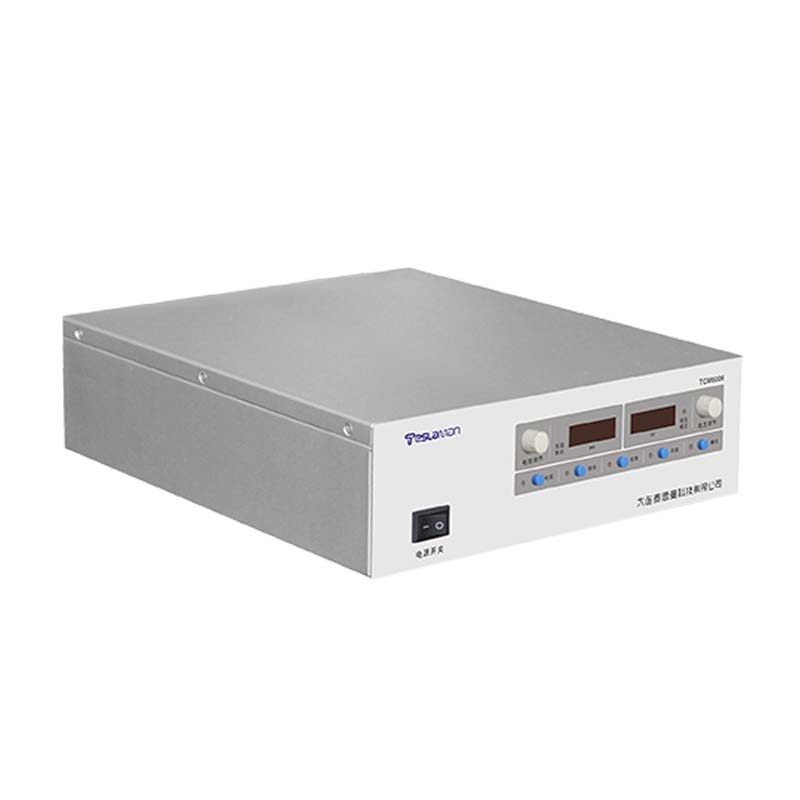
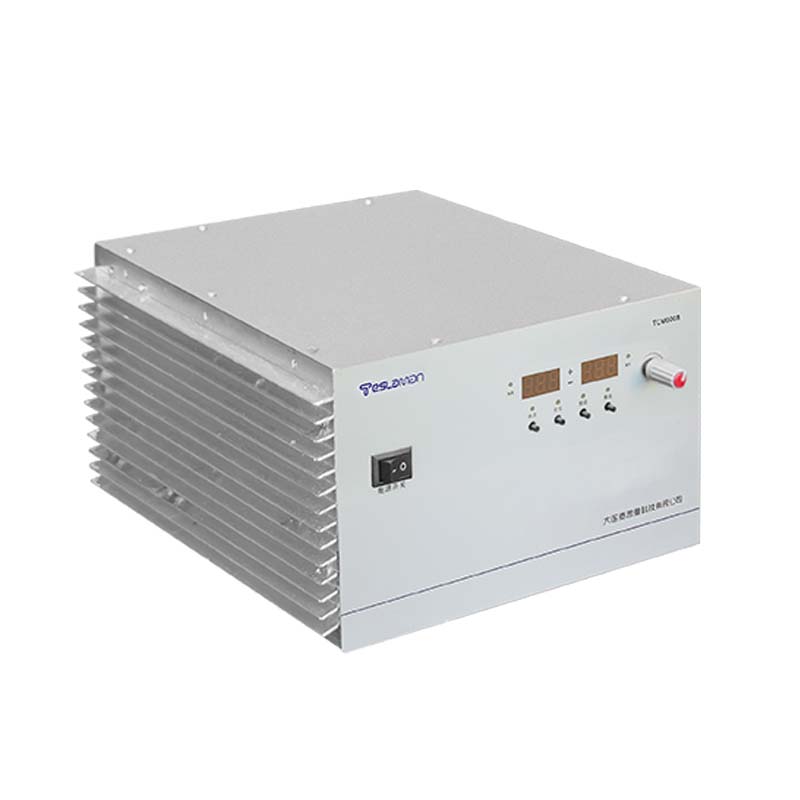
Electron Beam System High Voltage Power Supply Energy Precision in Electron Beam Lithography
Electron beam lithography represents one of the most demanding applications for high voltage power supply precision in the field of nanofabrication. The writing of nanoscale patterns with an electron beam requires exceptional stability and accuracy of the accelerating voltage, as any variation in the beam energy translates directly into positioning errors and pattern distortion. Over five decades of work with high voltage systems in electron beam lithography have established the relationship between power supply performance and lithographic resolution. The energy precision of the electron beam is determined by the combination of the high voltage power supply stability, the ripple level, and the long-term drift characteristics.
The accelerating voltage in an electron beam lithography system determines the energy of the electrons in the beam, which affects the beam spot size, the depth of focus, and the interaction volume in the resist. Higher accelerating voltages produce smaller beam spots and improved resolution, but also increase the electron penetration depth and the sensitivity to voltage variations. The selection of the accelerating voltage involves a trade-off between resolution and other process considerations. The high voltage power supply must maintain the selected voltage with a stability that is consistent with the resolution requirements of the lithographic process.
The voltage stability specification for electron beam lithography power supplies is typically expressed in parts per million over a specified time period. For high-resolution lithography applications, the voltage stability must be better than 10 parts per million over the writing time. This level of stability requires careful design of the voltage reference, the feedback divider, and the control loop. The voltage reference must be a temperature-compensated Zener diode or a bandgap reference that provides a stable voltage over the operating temperature range. The feedback divider must use precision resistors with low temperature coefficients and excellent long-term stability.
The ripple voltage on the high voltage output affects the energy spread of the electron beam, which determines the resolution limit of the lithography system. The ripple voltage must be maintained below a specified level that is determined by the acceptable energy spread for the lithographic process. The ripple frequency components are determined by the switching frequency of the power supply and the effectiveness of the output filtering. The output filter must attenuate the ripple components to the required level while maintaining the transient response of the power supply. The filter design must balance the conflicting requirements of ripple attenuation and transient response.
The long-term drift of the high voltage output affects the accuracy of the pattern placement over the writing time. The drift is caused by the aging of the reference components and the temperature variations in the power supply. The drift rate must be maintained below the level that would cause unacceptable pattern placement errors. The drift compensation can be achieved through periodic calibration of the power supply output against an external voltage reference. The calibration interval is determined by the drift rate and the placement accuracy requirements of the lithographic process.
The thermal management of the high voltage power supply is critical for maintaining the voltage stability over the operating temperature range. The power supply components generate heat that must be dissipated to maintain the internal temperature within the specified range. The temperature variations cause changes in the component values that affect the voltage stability. The power supply design should include temperature control of the critical components, including the voltage reference and the feedback divider. The temperature control can be achieved through the use of temperature-stabilized enclosures or through the application of temperature compensation techniques.
The noise performance of the high voltage power supply affects the signal-to-noise ratio of the electron beam system. The noise components on the high voltage output modulate the beam energy and create noise in the beam current. The noise spectrum must be controlled over the frequency range that affects the lithographic process. The low-frequency noise components are particularly important because they affect the pattern placement accuracy over the writing time. The high-frequency noise components affect the beam spot size and the edge roughness of the written patterns.
The grounding of the high voltage power supply in the electron beam lithography system must be designed to minimize ground loops that can introduce noise into the beam control system. The power supply ground must be connected to the system ground at a single point to prevent ground currents from flowing through the sensitive measurement circuits. The ground connection must have low impedance at the frequencies of interest to maintain the voltage reference stability. The grounding design must also consider the safety requirements for the high voltage system.
The high voltage cable connecting the power supply to the electron gun must be designed to minimize the voltage drop and the noise pickup. The cable capacitance affects the transient response of the power supply and must be considered in the control loop design. The cable insulation must withstand the full operating voltage while maintaining low leakage current. The cable shielding must provide adequate protection against electromagnetic interference that could couple into the beam control system. The connector design must provide reliable contact with low resistance and high voltage withstand capability.
The measurement of the high voltage output in the electron beam lithography system requires a voltage divider with high accuracy and stability. The voltage divider must be calibrated against a primary voltage standard to establish the traceability of the voltage measurement. The divider ratio must be stable over time and temperature to maintain the accuracy of the voltage measurement. The divider must be designed to minimize the loading effect on the high voltage output and to provide the measurement signal with the required bandwidth and noise level.
The control loop of the high voltage power supply must be designed to provide the required stability and transient response for the electron beam lithography application. The control loop bandwidth must be sufficient to reject the disturbances that affect the voltage stability, including the load variations caused by the beam current changes. The control loop must be stable under all operating conditions, including the startup and shutdown sequences. The control loop design must consider the nonlinear characteristics of the high voltage components and the parasitic elements in the power supply circuit.
The energy precision of the electron beam in lithography applications depends on the performance of the high voltage power supply in multiple aspects, including the voltage stability, the ripple level, the long-term drift, and the noise performance. The power supply must be designed to meet the stringent requirements of the lithographic process, which are determined by the resolution and the placement accuracy of the written patterns. The testing and verification of the power supply performance must be conducted under conditions that simulate the actual operating environment of the lithography system. The experience gained from decades of high voltage power supply development for electron beam lithography has established the design principles and the performance specifications that enable the fabrication of nanoscale devices with the required precision.