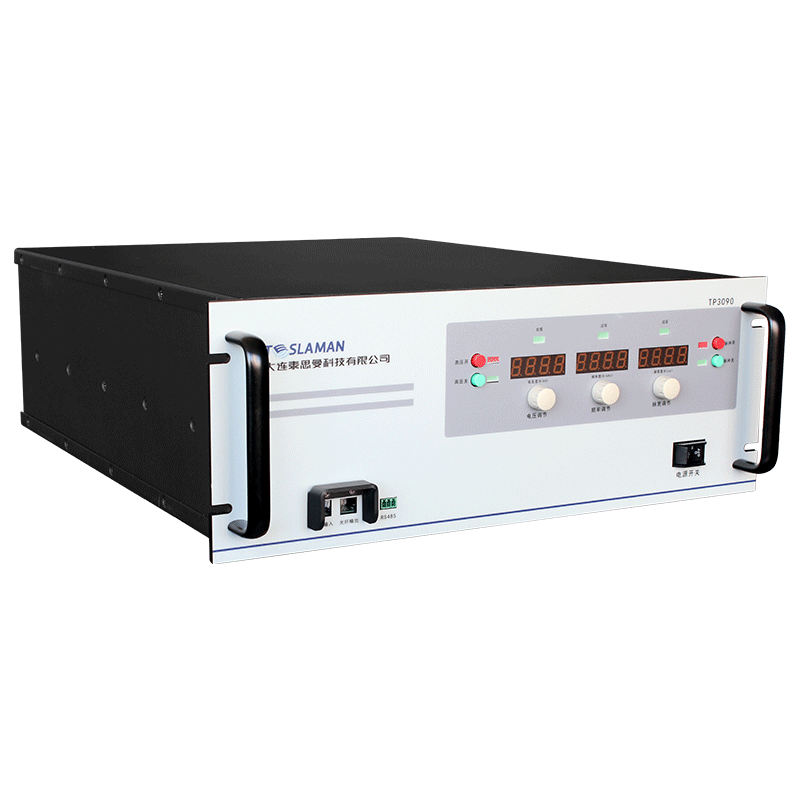
Electron Beam Melting Additive Manufacturing High Voltage Power Supply Real-Time Feedback Regulation
Electron beam melting additive manufacturing represents a transformative approach to producing complex metallic components with superior mechanical properties. The process relies on a precisely controlled electron beam to selectively melt metal powder layers in a vacuum environment. At the heart of this system lies the high voltage power supply, which must deliver exceptional stability and rapid response to dynamic load changes during the melting process. The real-time feedback regulation mechanism in these power supplies determines the quality and consistency of the final manufactured part.
A high voltage power supply for electron beam melting must operate in the range of 30 kV to 60 kV with beam currents varying from a few milliamperes to several hundred milliamperes. The load characteristics change dramatically as the electron beam scans across the powder bed, encountering different material densities and melt pool conditions. Traditional open-loop power supply designs cannot adequately compensate for these rapid fluctuations, leading to inconsistent energy deposition and compromised part quality. The real-time feedback regulation system addresses this challenge by continuously monitoring the output voltage and current and adjusting the power supply parameters on a microsecond timescale.
The feedback regulation architecture typically employs a dual-loop control strategy. The inner loop controls the high voltage output through a fast-acting pulse-width modulation circuit that adjusts the primary side switching of the high-frequency transformer. The outer loop regulates the beam current by modulating the filament emission and grid bias voltage. This dual-loop approach enables independent control of voltage and current, which is essential for maintaining consistent penetration depth and melt pool geometry during the additive manufacturing process. The crossover frequency of the inner voltage loop is typically designed to be at least ten times higher than the outer current loop to ensure stability and prevent interaction between the two control loops.
Sensor selection plays a critical role in the feedback regulation performance. High voltage dividers with capacitive compensation provide accurate voltage measurement with bandwidths exceeding 10 kHz. The current measurement employs Hall-effect sensors or precision shunt resistors placed in the high voltage return path. These sensors must operate reliably in the presence of strong electromagnetic fields generated by the electron beam system. Optical isolation techniques are used to transmit the sensor signals to the control electronics, ensuring galvanic isolation between the high voltage section and the low voltage control circuitry.
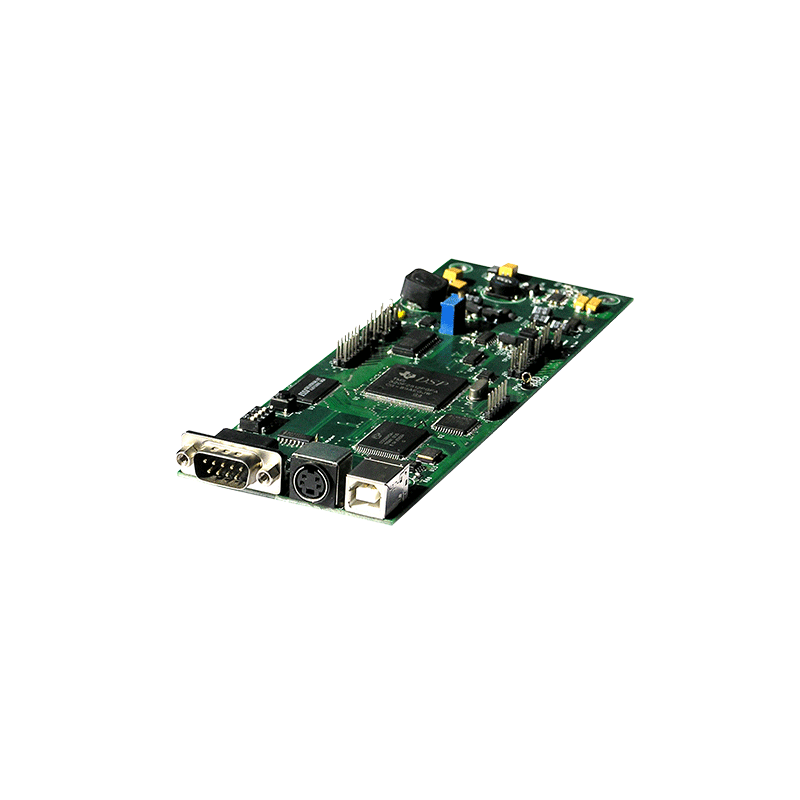
The digital signal processor or field-programmable gate array at the core of the feedback controller executes the control algorithm with sampling rates of 100 kHz or higher. The control algorithm implements proportional-integral-derivative compensation with adaptive gain scheduling to accommodate the varying dynamics of the melting process. The proportional term provides fast response to sudden load changes, the integral term eliminates steady-state error, and the derivative term improves transient response and stability margins. Adaptive gain scheduling adjusts the controller parameters based on the operating point, ensuring consistent performance across the entire power range.
Real-time feedback regulation also compensates for long-term drift caused by thermal effects in the power supply components. The high voltage transformer, rectifier diodes, and filter capacitors all exhibit temperature-dependent characteristics that can shift the output voltage over time. The feedback loop continuously corrects for these drifts, maintaining the output voltage within 0.01 percent of the setpoint over the entire operating temperature range. This level of stability is essential for producing parts with consistent microstructure and mechanical properties across multiple build cycles.
The communication interface between the power supply feedback system and the additive manufacturing machine controller enables coordinated operation. The machine controller provides the target beam parameters for each layer of the build, and the power supply feedback system adjusts the output accordingly. Real-time telemetry data, including voltage, current, and power readings, are transmitted back to the machine controller for process monitoring and quality assurance. Any deviation beyond preset thresholds triggers an alarm or automatic shutdown, preventing the production of defective parts.
Protection circuits integrated into the feedback regulation system safeguard both the power supply and the electron beam gun against fault conditions. Arc detection circuits monitor the high voltage output for sudden current spikes that indicate arc discharges. Upon detecting an arc, the feedback controller rapidly reduces the output voltage to extinguish the arc and then restores normal operation. This fast arc recovery capability minimizes the impact of arc events on the manufacturing process and reduces the need for manual intervention. Overcurrent and overvoltage protection circuits provide additional layers of safety, ensuring reliable operation over extended production runs.
Recent advances in wide-bandgap semiconductor devices have enabled significant improvements in the feedback regulation performance. Silicon carbide metal-oxide-semiconductor field-effect transistors and diodes offer higher switching speeds and lower losses compared to traditional silicon devices. The higher switching frequency allows for smaller filter components and faster transient response, resulting in a more compact and responsive power supply design. Gallium nitride devices are also being explored for lower voltage stages of the power supply, offering further efficiency gains and size reductions.
The calibration and testing of the feedback regulation system requires specialized high voltage measurement equipment and precise load simulators. The dynamic response of the power supply is characterized using step load tests and frequency response analysis. The step response parameters, including rise time, settling time, and overshoot, must meet stringent specifications to ensure compatibility with the electron beam melting process. Frequency response measurements verify the stability margins of the control loop and identify any resonances that could lead to instability under certain operating conditions.
The integration of the high voltage power supply with real-time feedback regulation into the electron beam melting system represents a significant advancement in additive manufacturing technology. The ability to precisely control the energy deposition at each point in the build enables the production of parts with tailored microstructures and optimized mechanical properties. As the demand for complex metal components continues to grow across various industries, the role of advanced high voltage power supply technology in enabling these manufacturing capabilities becomes increasingly important. The ongoing development of faster control algorithms, more accurate sensors, and more efficient power conversion topologies will further enhance the performance and reliability of these systems.