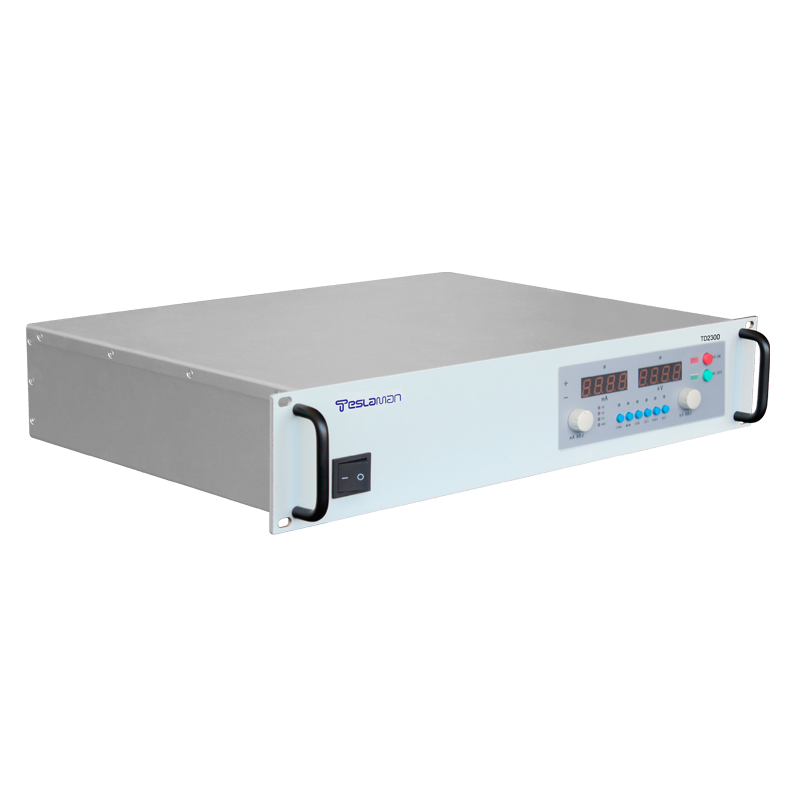
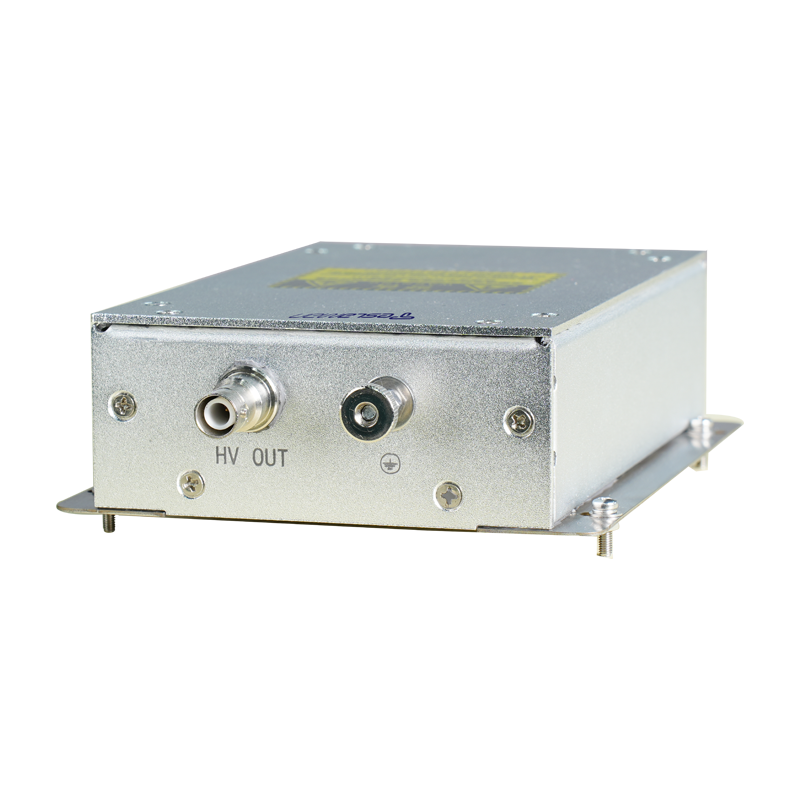
320kV High Voltage Power Supply High Voltage in Industrial X-Ray Inspection System
Industrial X-ray inspection systems play an indispensable role in non-destructive testing across a wide range of industries, including aerospace, automotive, oil and gas, and electronics manufacturing. The 320 kV high voltage power supply represents a particularly important class of X-ray generators that provides the penetrating power required to inspect thick-walled components, dense materials, and complex assemblies. The design and performance of the 320 kV power supply directly determine the inspection capabilities, image quality, and operational efficiency of the X-ray system. Understanding the engineering principles and practical considerations involved in these power supplies is essential for anyone working with industrial X-ray inspection technology.
The 320 kV X-ray tube requires a high voltage power supply that can deliver a stable accelerating voltage of 320 kilovolts with a tube current ranging from 0.5 mA to 10 mA, depending on the specific application and the required X-ray intensity. The power supply must generate this voltage from the standard mains supply, typically 380 V to 480 V three-phase, through a series of power conversion stages. The input stage converts the AC mains to a regulated DC bus voltage, which is then converted to a high-frequency AC voltage by an inverter stage. The high-frequency AC is stepped up to the required voltage level by a high-voltage transformer and then rectified and filtered to produce the DC output.
The use of high-frequency power conversion technology in 320 kV power supplies has revolutionized industrial X-ray system design. Early X-ray generators used line-frequency transformers operating at 50 Hz or 60 Hz, which were extremely large and heavy due to the low operating frequency. The 320 kV transformer for a line-frequency design could weigh several tons and require a dedicated room for installation. Modern high-frequency designs operating at 20 kHz to 50 kHz reduce the transformer size by a factor of ten or more, enabling the integration of the power supply into a compact cabinet that can be easily moved and installed in various locations.
The high-voltage transformer design for 320 kV operation requires careful attention to insulation, cooling, and magnetic design. The transformer must provide adequate insulation between the primary and secondary windings to withstand the full 320 kV potential difference, as well as between the secondary winding layers. The insulation system typically uses a combination of oil-impregnated paper, epoxy resin, and solid insulating materials to achieve the required dielectric strength. The transformer oil serves both as an insulating medium and as a coolant, circulating through the windings and the core to remove heat generated by the magnetic and resistive losses.
The rectifier and filter section of the 320 kV power supply must convert the high-frequency AC output of the transformer to a smooth DC voltage with minimal ripple. The rectifier uses a series connection of high-voltage diodes, each rated for a fraction of the total voltage, to achieve the required voltage rating. The diode stack must be designed with equal voltage sharing across all diodes, using parallel resistors and capacitors to balance the voltage distribution during both steady-state and transient conditions. The filter capacitors must be rated for the full output voltage and must have low internal inductance to maintain the filter effectiveness at the switching frequency.
The voltage regulation system for the 320 kV power supply must maintain the output voltage within tight tolerances despite variations in the input line voltage, the tube current, and the temperature. The regulation loop senses the output voltage through a high-voltage divider and compares it with a precision reference, generating an error signal that adjusts the inverter duty cycle or the DC bus voltage. The regulation bandwidth is typically limited to a few hundred hertz to ensure stability, but this is sufficient to reject the most common disturbances. The output voltage stability is typically specified as plus or minus 0.1 percent over the operating range.
The X-ray tube current is regulated independently of the voltage through the filament heating current and the grid bias voltage. The filament current determines the electron emission from the cathode, while the grid bias controls the electron flow through the tube. The filament power supply must provide a stable current to the filament despite the fact that the filament is at the cathode potential of negative 320 kV. The filament current is typically supplied through an isolation transformer with the secondary winding at the cathode potential, requiring careful insulation design to withstand the high voltage stress.
The control and safety systems for the 320 kV X-ray power supply are essential for protecting the equipment and the operators. The control system includes programmable logic controllers or embedded processors that manage the startup sequence, the operating parameters, and the shutdown sequence. The safety system includes interlocks that prevent X-ray generation when the radiation enclosure doors are open, emergency stop buttons that immediately shut down the high voltage, and radiation monitors that measure the X-ray exposure in the surrounding area. The control system must comply with the relevant safety standards for X-ray equipment, including the International Electrotechnical Commission standard 60601 for medical electrical equipment and the relevant national regulations for industrial X-ray systems.
The cooling system for the 320 kV power supply must remove the heat generated by the losses in the transformer, the switching devices, and the rectifier. The total power dissipation in the power supply can range from 2 kW to 10 kW, depending on the output power and the efficiency. The cooling system typically uses a combination of forced air cooling for the lower voltage sections and oil cooling for the high voltage section. The oil is circulated through the transformer tank and through an external heat exchanger, where the heat is transferred to the ambient air or to a water cooling circuit. The oil temperature must be monitored to prevent overheating and to ensure the integrity of the insulation system.
The X-ray tube and the high voltage power supply are housed in a shielded enclosure that contains the X-ray radiation and provides protection against electric shock. The enclosure is lined with lead or other radiation shielding materials to attenuate the X-ray beam to safe levels outside the enclosure. The high voltage connections inside the enclosure are protected by insulating barriers and interlocks that prevent access while the high voltage is present. The enclosure design must comply with the applicable radiation safety regulations and electrical safety standards, which vary by jurisdiction but generally require that the radiation exposure at the enclosure surface is below a specified limit.
The image quality produced by the 320 kV X-ray inspection system depends on the stability and the quality of the high voltage power supply. Variations in the accelerating voltage cause changes in the X-ray energy spectrum, which affects the contrast and the penetration of the X-ray image. The focal spot size of the X-ray tube, which determines the spatial resolution of the image, is also affected by the voltage stability and the electron beam focusing. The power supply must provide a stable and well-regulated output to achieve the best possible image quality for the inspection application.
The 320 kV high voltage power supply for industrial X-ray inspection represents a mature technology that continues to evolve with advances in power electronics, materials science, and control engineering. The development of new semiconductor devices, such as silicon carbide metal-oxide-semiconductor field-effect transistors and diodes, has enabled higher switching frequencies and lower losses, leading to more compact and efficient power supply designs. The use of digital control and communication interfaces has simplified the integration of the power supply into automated inspection systems and has enabled advanced features such as automatic exposure control, real-time monitoring, and remote diagnostics. These advances are expanding the capabilities of industrial X-ray inspection and enabling new applications that require higher resolution, faster throughput, and greater reliability.