Standard Rack-Mount High Voltage Power Supply Deployment in Edge Computing Equipment Power Supply
Edge computing represents a paradigm shift in data processing architecture, moving computational resources closer to the data source to reduce latency and bandwidth requirements. The deployment of edge computing equipment in remote locations, industrial environments, and telecommunications infrastructure requires reliable power supply solutions that can operate under challenging conditions. Standard rack-mount high voltage power supplies offer a practical solution for powering edge computing equipment that requires high voltage inputs for specialized processing modules or communication systems.
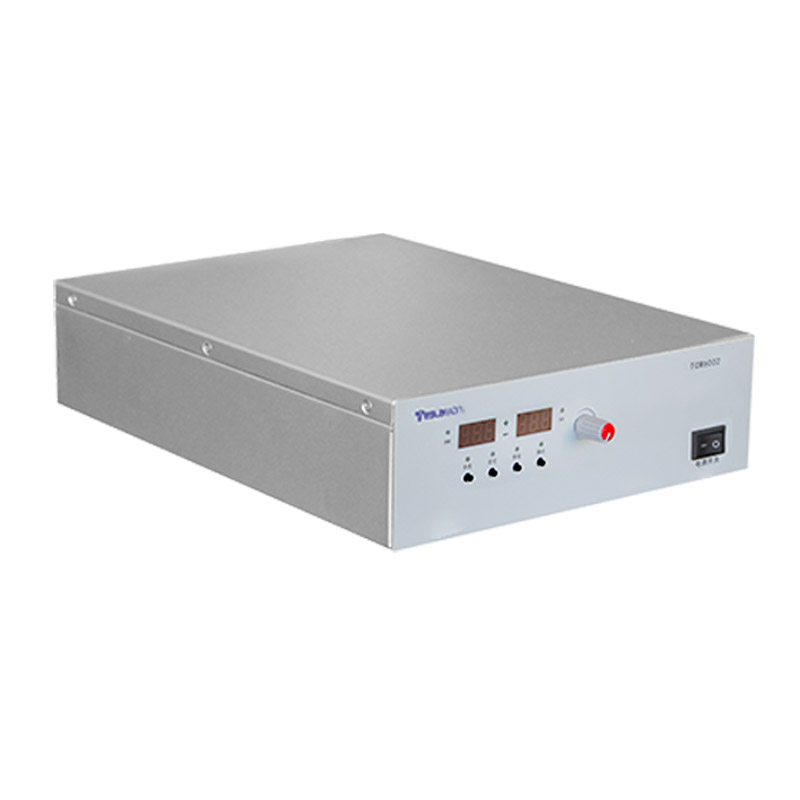
The rack-mount form factor provides a standardized mechanical configuration that facilitates integration into existing equipment racks and cabinets. The standard 19-inch rack width and the defined height increments, measured in rack units, allow the power supply to be mounted alongside other equipment in a common enclosure. The rack-mount configuration simplifies cabling, cooling, and maintenance of the power supply system. The high voltage power supply modules designed for rack mounting typically occupy 1 to 4 rack units of vertical space, depending on the power rating and the features included.
The voltage requirements for edge computing equipment vary widely depending on the specific application. Some edge computing systems require high voltage inputs for radio frequency power amplifiers used in wireless communication systems, with voltages ranging from 24 to 56 volts for typical telecommunications equipment. Other applications, such as certain types of sensors, actuators, or specialized processing modules, may require voltages up to several kilovolts. The rack-mount high voltage power supply must be configurable to meet the specific voltage and current requirements of the target application.
The power density of rack-mount high voltage power supplies continues to increase with advances in power conversion technology. Modern power supplies using gallium nitride or silicon carbide semiconductor devices achieve power densities exceeding 100 watts per cubic inch, allowing higher power ratings in smaller packages. The high power density enables the deployment of more processing capability in the same rack space, supporting the increasing computational demands of edge computing applications. The thermal management of high density power supplies requires efficient heat transfer from the power components to the cooling system.
The reliability requirements for edge computing power supplies are demanding due to the remote and often unattended operation of edge computing installations. The rack-mount high voltage power supply must achieve a mean time between failures exceeding 100,000 hours to minimize the need for maintenance visits to remote sites. The power supply design must incorporate redundant components, conservative derating, and comprehensive protection features to achieve the required reliability. The power supply must be capable of operating over a wide temperature range, typically minus 20 to plus 60 degrees Celsius, without performance degradation.
The input power requirements for edge computing installations vary depending on the available power source. Many edge computing sites are served by standard AC mains power, requiring the power supply to operate from 90 to 264 volts AC at 47 to 63 hertz. Some installations in industrial environments may require DC input power, typically 24 or 48 volts, from battery backup systems or renewable energy sources. The rack-mount high voltage power supply must be designed to accept the available input power and convert it to the required output voltage with high efficiency.
The efficiency of the high voltage power supply directly affects the operating cost and the thermal management requirements of the edge computing installation. Power supply efficiency should exceed 90 percent across the full load range to minimize energy waste and heat generation. High efficiency reduces the cooling requirements and allows the power supply to operate at higher ambient temperatures without derating. The efficiency optimization must be maintained over the full input voltage range and the operating temperature range.
The communication and control capabilities of the rack-mount high voltage power supply enable remote monitoring and management of the power system. The power supply must support standard communication protocols such as the Intelligent Platform Management Interface, the Simple Network Management Protocol, or the Modbus protocol to integrate with the edge computing management system. The power supply must report its operating status, including the output voltage, current, power, temperature, and fault conditions, to the management system. The remote control capability allows the power supply to be turned on and off, reset, or reconfigured remotely.
The electromagnetic compatibility of the rack-mount high voltage power supply must meet the applicable standards for the target installation environment. The power supply must comply with the electromagnetic emissions and immunity requirements for industrial, commercial, or telecommunications environments. The power supply design must include input filtering to suppress conducted emissions and shielding to control radiated emissions. The immunity to electrostatic discharge, electrical fast transients, and surge voltages must be verified through type testing.
The hot-swappable capability of redundant power supply modules allows maintenance and replacement without interrupting the operation of the edge computing equipment. The rack-mount power supply system can be configured with N plus 1 redundancy, where the system contains one more power supply module than the minimum required for the load. The power supply modules must support hot-swap insertion and removal, with the output voltage maintained within the specified tolerance during the swap operation. The current sharing between redundant modules must be balanced to equalize the thermal stress across the modules.
The power factor correction in the rack-mount high voltage power supply reduces the harmonic current drawn from the AC mains and improves the utilization of the power distribution system. The power factor should exceed 0.95 at full load to meet the requirements of international power quality standards. The power factor correction circuit must operate over the full input voltage range and the full load range. The hold-up time of the power supply, typically 10 to 20 milliseconds, must be sufficient to maintain the output voltage during brief interruptions of the AC input power.
The cooling system of the rack-mount high voltage power supply must be designed for the airflow direction and the cooling capacity available in the equipment rack. The power supply must be designed for front-to-rear airflow to maintain proper thermal management within the rack. The fans must be variable speed to reduce noise and energy consumption at low load conditions. The fan filters must be accessible for cleaning without removing the power supply from the rack. The power supply must be capable of operating with the fans at reduced speed or with one fan failed in a redundant fan configuration.
The safety certification of the rack-mount high voltage power supply must meet the applicable standards for the target market and application. The power supply must be certified to the relevant safety standards for information technology equipment, telecommunications equipment, or industrial control equipment. The certification includes evaluation of the insulation system, the creepage distances, the clearance distances, and the temperature rise of the components. The safety certification marks must be displayed on the power supply label.
In conclusion, the standard rack-mount high voltage power supply provides a reliable and flexible power solution for edge computing equipment deployed in remote and challenging environments. The standardized form factor, high efficiency, and comprehensive monitoring and control capabilities support the reliable operation of edge computing installations. The continued development of rack-mount high voltage power supply technology contributes to the growth and evolution of edge computing infrastructure.