Irradiation Sterilization High Voltage Power Supply Effect in Herbal Medicine Sterilization
The sterilization of herbal medicine materials presents unique challenges due to the thermal sensitivity of active botanical compounds. Irradiation technology has emerged as a promising solution that can achieve effective microbial decontamination without the heat damage associated with conventional sterilization methods. High voltage power supplies form the core of irradiation sterilization systems, providing the energy required to accelerate electrons or generate gamma radiation that destroys microbial contaminants. The effectiveness of the sterilization process is directly related to the dose delivered to the product, which is fundamentally determined by the voltage and current parameters of the power supply. For herbal medicine applications, the irradiation dose must be precisely controlled to ensure sterilization efficacy while preserving the pharmacological properties of the botanical materials.
The most common irradiation sterilization approach employs electron beam accelerators powered by high voltage supplies operating in the range of 200 kilovolts to 10 megavolts. At these voltage levels, electrons penetrate the product material to varying depths depending on the voltage magnitude and the density of the herbal material. Lower voltage systems in the 200 to 300 kilovolt range are used for surface sterilization of packaged products, while higher voltage systems in the 5 to 10 megavolt range can achieve sterilization of bulk materials with penetration depths up to several centimeters. The power supply must deliver stable voltage across the full operating range to ensure consistent dose delivery throughout the product volume. Voltage regulation better than 0.1 percent is required to maintain dose uniformity within acceptable limits. The relationship between voltage and penetration depth follows a physical relationship where higher voltage electrons travel further through the material before losing their energy, allowing selection of the appropriate voltage based on the product dimensions and the required sterilization depth.
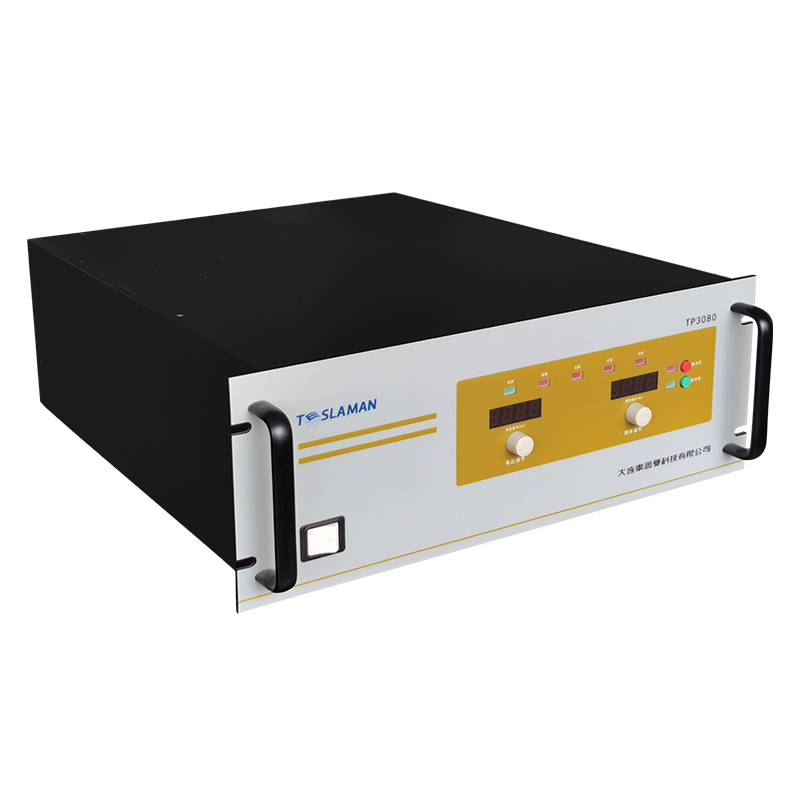
The architecture of irradiation sterilization power supplies typically incorporates a high voltage transformer that steps up the mains voltage, followed by a voltage multiplier or Cockcroft-Walton generator to achieve the final operating voltage. For electron beam systems, the power supply delivers power to an electron gun that emits a focused electron beam. The beam current, which typically ranges from 1 to 10 milliamps, is precisely controlled by adjusting the filament current and the accelerating voltage. The relationship between voltage, current, and dose is governed by the physical principles of electron interaction with matter. Higher voltages increase the penetration depth, while higher beam currents increase the dose rate at a given depth. The power supply control system coordinates both voltage and current to achieve the target dose distribution for each specific product. Advanced systems incorporate computerized dose calculation algorithms that determine the optimal voltage and current parameters based on product characteristics entered by the operator.
Dose mapping represents a critical quality assurance step in irradiation sterilization. The power supply must be calibrated to deliver a known dose at specific locations within the product chamber, and the dose distribution must be verified using dosimeters placed at strategic positions. Advanced power supplies incorporate dose monitoring systems that calculate the delivered dose in real time based on beam parameters and product position data from the conveyor system. This allows automatic adjustment of the power supply output to compensate for variations in product density or conveyor speed. For herbal medicine products with variable moisture content, which affects radiation absorption, the dose monitoring system provides essential feedback to maintain sterilization efficacy. The dose mapping process involves placing dosimeters at multiple locations within a batch of product, irradiating the batch, and measuring the absorbed dose at each point to verify uniformity. The power supply calibration is verified periodically using reference dosimetry systems traceable to national standards.
The safety of irradiation sterilization systems is governed by strict regulatory standards. The high voltage power supply must incorporate multiple safety interlocks that prevent operation when shielding doors are open or when the beam containment chamber is depressurized. Radiation monitoring systems provide continuous measurement of ambient radiation levels and trigger automatic shutdown if unsafe conditions are detected. The power supply also includes overvoltage and overcurrent protection circuits that respond within microseconds to any fault condition. Thermal management of the high voltage components is achieved through a combination of natural convection and forced air cooling, with temperature sensors providing early warning of potential overheating. These safety features ensure that the irradiation sterilization system meets all regulatory requirements for safe operation in pharmaceutical manufacturing environments. The power supply also incorporates data logging capabilities that record all operating parameters and safety events, providing documentation for regulatory audits and facilitating traceability of sterilization processes.
The handling of herbal medicine products before, during, and after irradiation requires careful coordination with the power supply operation. Products must be positioned on the conveyor belt with appropriate spacing to ensure uniform dose delivery, and the conveyor speed must be synchronized with the beam parameters to achieve the target treatment time. The power supply control system interfaces with the conveyor system to adjust beam current based on conveyor speed, maintaining a constant dose rate regardless of throughput. For batch processing of high-value herbal medicine products, the power supply supports special operating modes with more precise dose control and extended treatment windows. The integration of barcode scanning and product tracking systems with the power supply allows automatic parameter selection based on the product type, reducing the risk of operator error and ensuring consistent sterilization results.
The technological evolution of high voltage power supplies for irradiation sterilization continues to improve dose precision and process efficiency. Solid-state switching technologies have replaced traditional thyratron-based systems, providing faster switching speeds and more precise voltage control. Digital signal processing enables real-time adjustment of beam parameters to compensate for transient loading effects. Advanced cooling systems using heat pipe technology improve power density and reduce system footprint. These advances translate to more compact, energy-efficient, and reliable irradiation sterilization systems that can be integrated into existing pharmaceutical manufacturing facilities without significant infrastructure modifications. The future development of higher voltage systems with even better dose uniformity will expand the range of herbal medicine products that can be effectively sterilized while maintaining their therapeutic properties.