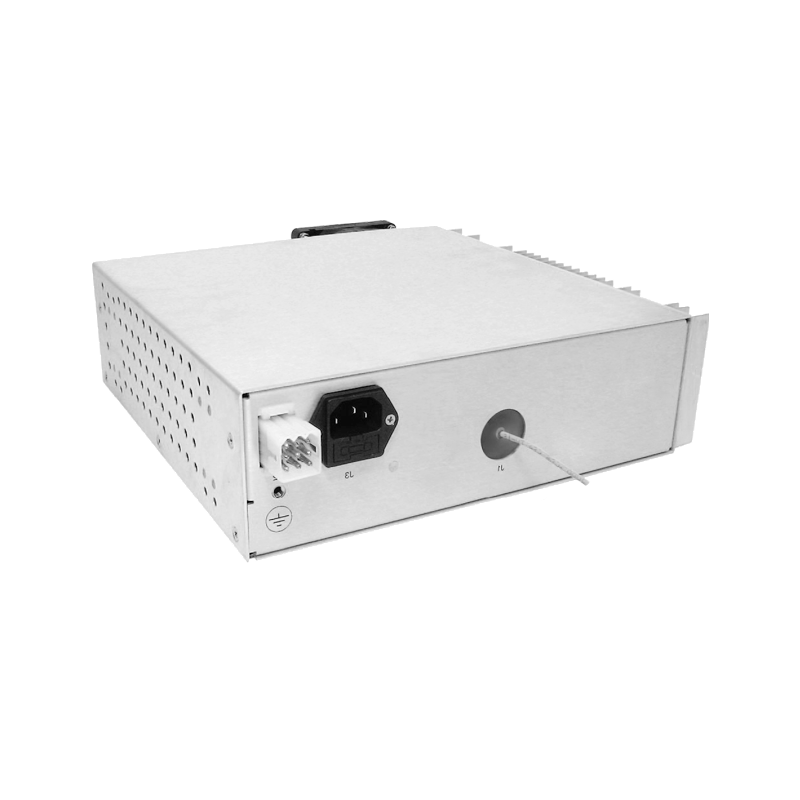
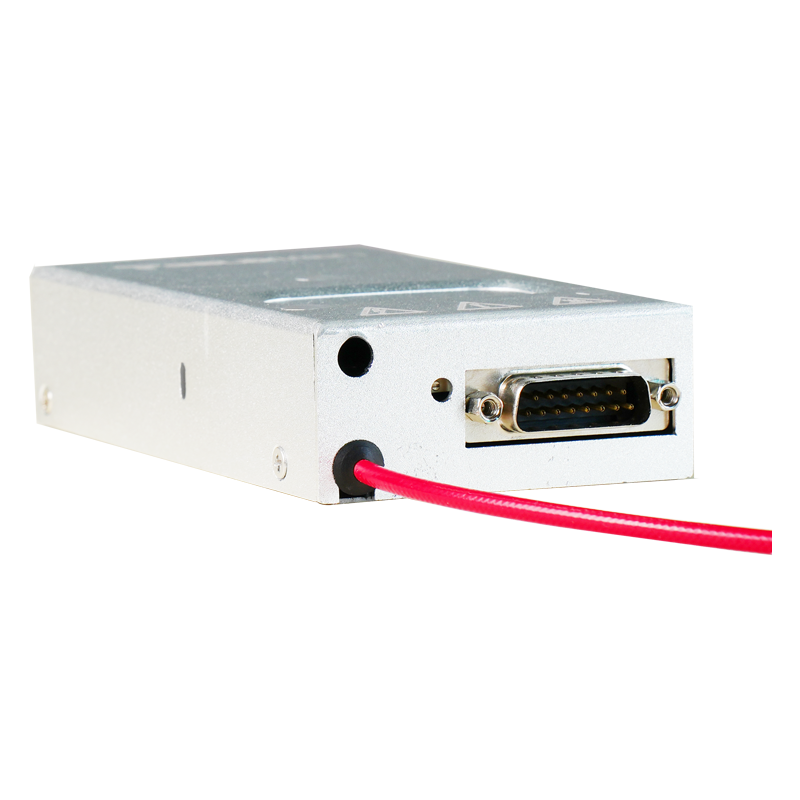
Magnetron Sputtering Vacuum Coating High Voltage Power Supply Intelligent Power Distribution
Magnetron sputtering represents a dominant technique in vacuum coating technology, enabling the deposition of high-quality thin films with precise thickness control and excellent adhesion properties. The process relies on a high voltage power supply to generate and sustain the plasma that sputters material from a target onto a substrate. The intelligent power distribution system within the high voltage supply plays a pivotal role in achieving uniform coating thickness, minimizing material waste, and maximizing process efficiency.
The magnetron sputtering system operates by creating a magnetic field that confines electrons near the target surface, increasing the probability of ionizing gas molecules and generating a dense plasma. The high voltage power supply provides the electrical energy to maintain this plasma discharge, with typical operating voltages ranging from 200V to 600V and power levels from a few hundred watts to several kilowatts. The power supply must deliver stable, controllable power to the sputtering target while adapting to the changing impedance characteristics of the plasma during different stages of the coating process.
Intelligent power distribution refers to the ability of the high voltage supply to dynamically allocate power across multiple sputtering targets, compensate for variations in target condition, and maintain consistent plasma characteristics throughout the coating cycle. In multi-target sputtering systems, which are increasingly used for the deposition of compound coatings and multilayer structures, the intelligent power distribution system must coordinate the operation of each target power supply to achieve the desired film composition and architecture.
The power distribution system employs real-time monitoring of plasma parameters including voltage, current, impedance, and optical emission. These measurements are fed into a dedicated controller that adjusts the power delivered to each target based on the actual plasma conditions. When a target shows signs of depletion or poisoning, the system can automatically increase the power to compensate, maintaining the sputtering rate and film composition. Conversely, when a target is operating efficiently, the system can reduce power to prevent over-heating and extend target lifetime.
Advanced magnetron sputtering systems often incorporate pulsed DC or medium frequency power supplies to address specific process requirements. Pulsed operation can eliminate arcing and target poisoning by periodically reversing the voltage polarity, allowing charged particles to be cleared from the target surface. The intelligent power distribution system must coordinate the pulse timing and voltage levels across multiple targets, ensuring that the pulsing sequence does not create interference between adjacent discharges and that the plasma remains stable throughout the substrate rotation or movement.
The substrate position relative to the sputtering targets influences the coating uniformity, requiring the intelligent power distribution system to account for substrate geometry and motion. For stationary substrates, the power distribution must compensate for the angular distribution of sputtered material by adjusting the power to each target based on the substrate's relative position. For moving substrates such as those in roll-to-roll coating systems, the power distribution system must synchronize power adjustments with the substrate movement speed and position, ensuring consistent coating thickness across the entire substrate surface.
Target condition monitoring is a key function of the intelligent power distribution system. The system tracks parameters such as target voltage, current, and impedance over time to assess target health. Increasing voltage requirements for the same current may indicate target depletion, while decreasing impedance could suggest target poisoning or contamination. When these conditions are detected, the system can initiate corrective actions including power adjustment, target cleaning cycles, or alerts for target replacement. This proactive monitoring helps prevent process interruptions and ensures consistent coating quality over extended production runs.
The power supply architecture for intelligent power distribution typically employs a modular design with individual power modules for each sputtering target. Each module features independent voltage and current regulation, real-time measurement capability, and communication interfaces for coordination with the central distribution controller. The modular design enables flexible configuration of the coating system, allowing targets to be added or removed without requiring significant modifications to the overall power supply infrastructure.
Integration with the overall coating system control enables closed-loop process optimization. The intelligent power distribution system receives input from substrate position sensors, thickness monitors, and optical emission spectrometers, and uses this information to adjust power delivery in real-time. This closed-loop control can compensate for variations in substrate loading, changes in chamber pressure, and drift in target characteristics, maintaining consistent coating properties throughout the production run. The system can also store historical process data for quality assurance and process improvement purposes.
Energy efficiency represents an increasingly important consideration in magnetron sputtering coating operations. The intelligent power distribution system can optimize power delivery to minimize energy consumption without compromising coating quality. This includes adjusting voltage levels to match the minimum plasma maintenance requirements, implementing power saving modes during substrate loading and unloading, and optimizing the pulse timing to reduce energy losses during the off-phase of pulsed operation. These energy savings not only reduce operating costs but also extend the lifetime of power supply components through lower thermal stress.
In conclusion, the intelligent power distribution system in magnetron sputtering high voltage power supplies represents a critical enabling technology for modern vacuum coating operations. Its ability to dynamically allocate power, compensate for process variations, and maintain consistent plasma characteristics is essential for achieving high-quality, uniform coatings across diverse applications. As coating technology continues to advance, the intelligent power distribution capabilities of high voltage supplies will remain at the forefront of process innovation, enabling the production of increasingly sophisticated thin film products for electronics, optics, and decorative applications.