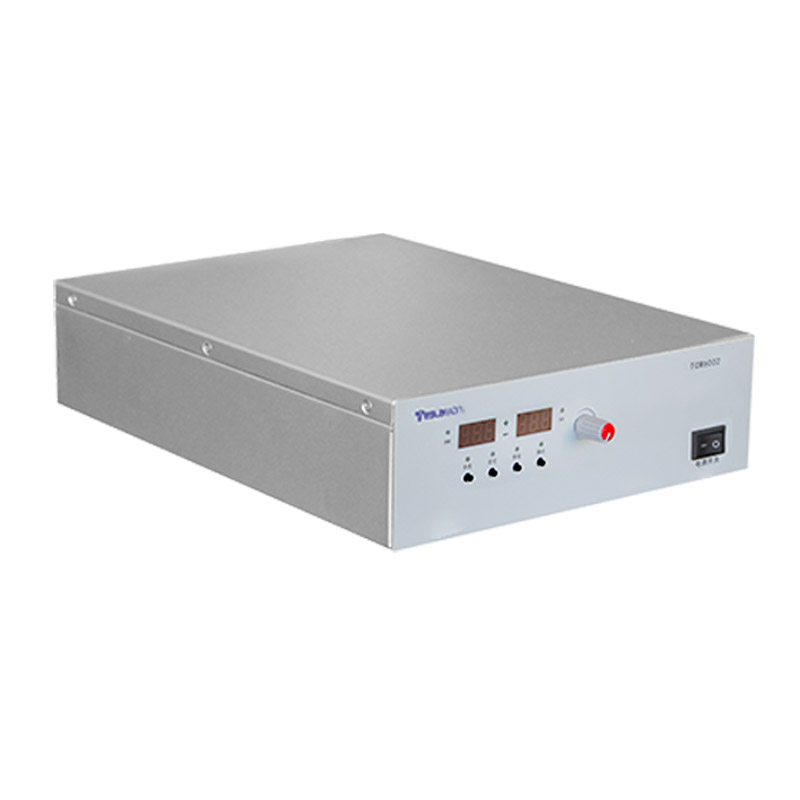
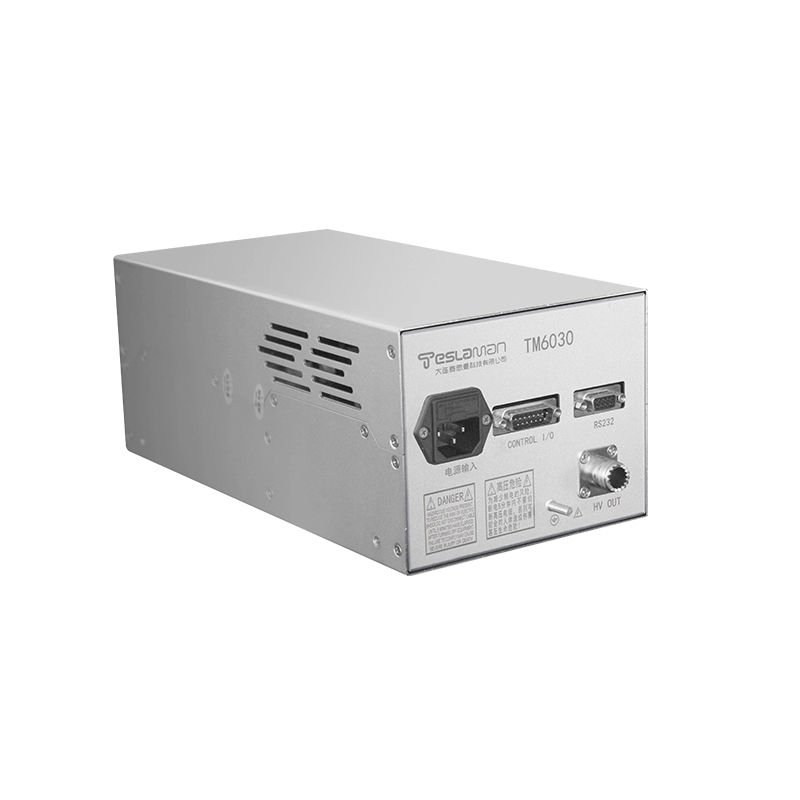
Electron Beam Melting Additive Manufacturing High Voltage Power Supply Fault Self-Diagnosis System
Electron beam melting has emerged as a pioneering additive manufacturing technology for the production of high-performance metal components with complex geometries and exceptional mechanical properties. The process utilizes a focused electron beam to melt and fuse metal powder layers in a vacuum environment, building components layer by layer from computer-aided design models. At the core of this technology is the high voltage power supply system, which generates and accelerates the electron beam to the required energy levels for efficient material melting. The reliability and performance of this power supply directly determine the quality, productivity, and cost-effectiveness of the electron beam melting process.
The electron beam melting system typically operates at acceleration voltages ranging from 60kV to 150kV, with beam currents ranging from a few milliamperes to several tens of milliamperes. The high voltage power supply must deliver these voltage levels with exceptional stability, as even minor voltage fluctuations can cause significant variations in beam power and focus. The power supply system consists of multiple stages, including a high voltage transformer, a rectification and filtering stage, a voltage regulation stage, and a control and monitoring system. Each stage must operate reliably under the demanding conditions of the melting environment, which includes high temperatures, vacuum conditions, and electromagnetic interference from the beam deflection system.
Fault self-diagnosis capability represents a critical advancement in high voltage power supply technology for electron beam melting. The self-diagnosis system continuously monitors the health of each power supply stage, detecting potential failures before they lead to process interruptions or quality defects. The monitoring system employs multiple sensing techniques, including voltage and current measurement at key points in the circuit, temperature monitoring of critical components, vibration detection for mechanical anomalies, and optical monitoring of internal arcing or corona discharge. These measurements are processed in real-time by a dedicated diagnostic controller that compares the measured values against established baseline parameters.
The fault self-diagnosis system operates on a multi-level architecture, beginning with basic parameter monitoring and progressing to advanced diagnostic analysis. At the first level, the system monitors key operating parameters such as output voltage, load current, input voltage, and component temperatures. Any deviation from normal operating thresholds triggers a warning condition, allowing operators to investigate potential issues before a complete failure occurs. At the second level, the system performs frequency analysis of voltage and current waveforms to detect subtle anomalies that may indicate developing problems, such as internal arcing in the high voltage transformer or degradation of rectifier diodes.
More advanced diagnostic capabilities include predictive failure analysis based on trending data and pattern recognition algorithms. The self-diagnosis system records historical operating data and compares it against performance degradation models for each component type. By identifying trends in parameters such as voltage regulation accuracy, temperature rise rates, and harmonic distortion levels, the system can predict component failures with sufficient lead time to schedule maintenance or replacement during planned downtime periods. This predictive capability significantly improves equipment uptime and reduces the risk of unexpected process interruptions during critical manufacturing runs.
One of the most critical failure modes in electron beam melting high voltage supplies involves the electron gun assembly. The cathode, grid, and anode structures operate at high voltages in close proximity, making them susceptible to arcing and electrical breakdown. The self-diagnosis system monitors the voltage and current characteristics of the electron gun in real-time, detecting the precursor signals of arcing events such as rapid current spikes, voltage dips, or changes in beam focus. When these precursor signals are detected, the system can initiate protective actions including reducing beam power, applying a soft shutdown sequence, or engaging a containment circuit to prevent damage to the gun assembly.
The vacuum environment of the electron beam melting chamber adds complexity to the high voltage power supply operation. The power supply must feed high voltage through vacuum feedthroughs, which are susceptible to degradation from thermal cycling and particle accumulation. The self-diagnosis system monitors the electrical characteristics of the feedthroughs, including insulation resistance and capacitance, to detect early signs of degradation. Advanced monitoring techniques such as partial discharge detection can identify internal defects in the feedthrough insulation before they develop into complete failure modes.
Integration of the self-diagnosis system with the overall equipment control framework enables a comprehensive approach to maintenance planning and process optimization. Diagnostic data from the high voltage power supply is logged into the equipment management system, which uses this information to optimize maintenance schedules, track component lifetime, and provide alerts for preventive service. The data can also be correlated with process quality metrics to identify relationships between power supply performance and part quality, enabling continuous improvement of manufacturing parameters.
Recent developments in artificial intelligence have enhanced the capabilities of fault self-diagnosis systems for high voltage power supplies. Machine learning algorithms trained on historical operating data can identify complex failure patterns that are difficult to detect with traditional threshold-based monitoring. These algorithms can adapt to the specific operating conditions of each installation, improving diagnostic accuracy over time. Additionally, cloud-based diagnostic platforms enable remote monitoring of power supply health, allowing maintenance specialists to analyze diagnostic data from multiple installations and provide expert recommendations without requiring physical on-site presence.
In summary, the fault self-diagnosis system represents a vital component of high voltage power supply technology for electron beam melting additive manufacturing. Its ability to detect, diagnose, and predict failures significantly improves equipment reliability, reduces maintenance costs, and ensures consistent part quality. As electron beam melting technology continues to evolve, the self-diagnosis system will remain at the forefront of power supply innovation, enabling the production of increasingly complex and demanding metal components for aerospace, medical, and industrial applications.