Plastic Sorting High Voltage Power Supply Integration in Intelligent Recycling Sorting Robot
Intelligent recycling sorting robots use high voltage electrostatic separation to separate different types of plastics based on differences in their dielectric properties. The high voltage power supply provides the electric field required for electrostatic charging and separation. Integration of the high voltage power supply into the sorting robot system requires careful consideration of space constraints, dynamic operation, control requirements, and reliability in industrial recycling environments. Proper integration ensures consistent separation performance, high sorting accuracy, and reliable long-term operation.
Plastic recycling plays an increasingly important role in waste management and resource conservation. Different types of plastics have different market values and require different processing. Contamination of different plastic types reduces the value of recycled material and can compromise the quality of recycled products. High accuracy sorting is therefore essential for producing high quality recycled plastic. Electrostatic separation powered by high voltage is one of the most effective methods for separating different plastic types after they have been processed into small particles.
Electrostatic separation works on the principle that different plastic materials acquire different amounts of electric charge when they pass through a charging zone in a high voltage electric field. The charged particles then pass through a second high voltage electric field between two separator electrodes, where they experience an electrostatic force that deflects their trajectory based on the magnitude and polarity of their charge. Different plastic types follow different trajectories and are collected in different bins. The separation efficiency depends on the strength and stability of the high voltage electric field, which is determined by the high voltage power supply.
High voltage power supplies for electrostatic plastic sorting typically operate in the range of 10 to 50 kilovolts. The electric field strength must be sufficient to ensure adequate charging of plastic particles and adequate deflection during separation. Too low voltage results in insufficient charging and poor separation efficiency. Too high voltage increases energy consumption and increases the risk of corona discharge or arcing, which can disrupt separation and damage components. The optimal voltage depends on the particle size, plastic types being separated, and electrode configuration.
Intelligent sorting robots combine multiple sensing technologies with high voltage separation to achieve higher sorting accuracy. Sensor systems identify different plastic types based on spectroscopy or other detection methods before they enter the separation zone. The sorting robot can adjust high voltage parameters dynamically based on the types of plastic present in a particular batch. This adaptive adjustment requires the high voltage power supply to accept external control signals and respond quickly to changes in voltage setpoint. Fast response enables real-time adjustment of separation conditions based on the incoming waste stream.
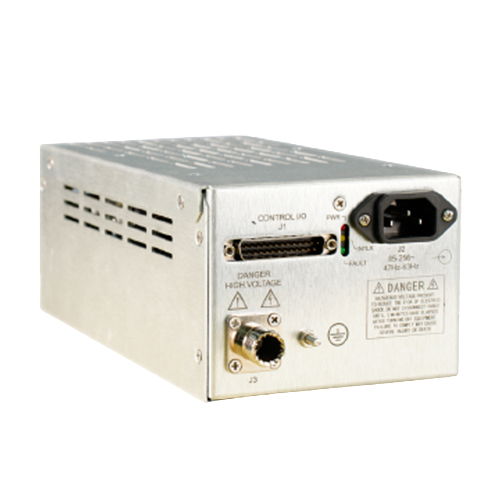
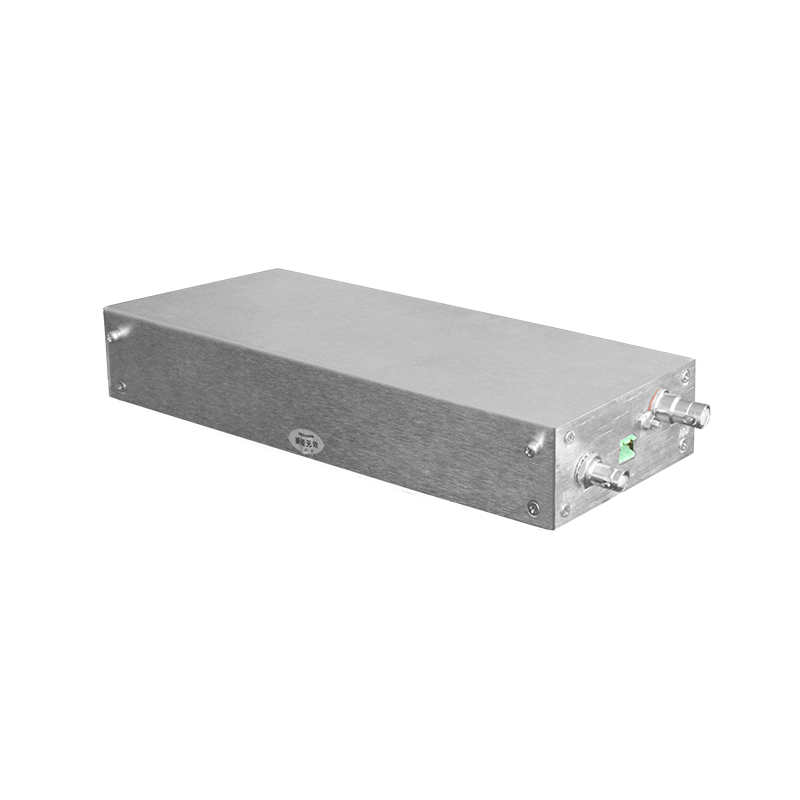
Integration into compact robot enclosures requires small size and lightweight design. Intelligent sorting robots integrate multiple systems including sensors, conveyors, actuation, and control in a compact footprint. The high voltage power supply must fit within the available space without requiring excessive volume. Modern high voltage power supply technology using switching topologies and high frequency operation enables significant size reduction compared to older low frequency designs. Compact modular designs allow the power supply to be placed in available space within the robot enclosure.
High voltage insulation and safety are critical considerations in integrated robot systems. The high voltage must be properly isolated from other robot components and from the external enclosure to prevent electric shock hazards. Safety interlocks must be integrated into the power supply control system that shut down high voltage output when the enclosure is opened for maintenance. Insulation integrity must be maintained even in environments where plastic dust and moisture may be present. Special insulation materials and protective coatings prevent contamination and maintain insulation performance over time.
Dynamic adjustment of voltage based on sorting requirements requires digital control interfaces. The robot control system communicates the required voltage setpoint to the high voltage power supply through a digital communication interface. High resolution voltage adjustment allows fine tuning of electric field strength for optimal separation of different plastic combinations. The power supply must maintain voltage stability after each adjustment to ensure consistent separation performance.
Dust and contamination from recycled waste plastic create challenging environmental conditions for electronic equipment. Plastic particles, dust, and moisture can accumulate on surfaces and cause electrical tracking or short circuits. The high voltage power supply enclosure must provide adequate protection against dust and moisture with appropriate IP rating. Sealed enclosures prevent dust from entering while still providing adequate cooling through heat exchangers. Regular maintenance can remove accumulated dust, but the design must allow for easy access for cleaning.
Vibration from moving conveyor belts and robot actuation creates mechanical stress on components. The high voltage power supply must use mechanical design that withstands continuous vibration without loosening connections or causing component fatigue. Potting compounds secure components to the circuit board, and locknuts prevent loosening of screw connections. Mechanical mounting must be robust enough to maintain alignment and connections despite continuous vibration.
Multiple separation stages within a single sorting robot require multiple independent high voltage outputs. Different stages may operate at different voltages optimized for specific separation tasks. Each output must be independently controllable with minimal crosstalk between channels. Changes in voltage on one channel should not affect the voltage on other channels. Independent regulation maintains separation performance for all stages regardless of operating conditions on other stages.
Energy efficiency is important for sorting robots that operate continuously in recycling facilities. High efficiency design reduces energy consumption and operating costs. Switching power supply topologies with high efficiency semiconductors provide high overall efficiency, reducing energy waste. Energy efficiency also reduces heat generation inside the robot enclosure, simplifying thermal management and preventing temperature buildup that could affect other electronic components such as sensors and control systems.
Arc detection and shutdown protection is essential because the high voltage electric field can occasionally experience breakdown caused by contaminated particles or moisture. When an arc occurs, the high voltage power supply must detect it quickly and interrupt power to prevent damage. After a short delay, power can be restored automatically. This automatic recovery minimizes downtime and maintains sorting throughput. Overcurrent protection provides additional protection against sustained short circuits that could damage the power supply.
Calibration of voltage output is required periodically to maintain separation accuracy. Over time, component drift can cause the actual output voltage to deviate from the set voltage. The high voltage power supply must allow easy calibration through digital adjustment of the output voltage calibration. Remote calibration capability allows the robot control system to perform automatic calibration without requiring manual adjustment by service personnel. This automated calibration maintains separation accuracy over extended periods.
Cooling inside the enclosed robot environment requires efficient thermal management. Heat generated by the high voltage power supply must be removed to prevent temperature buildup. Heat pipes and small liquid cooling loops can provide efficient cooling in compact spaces without requiring large fans that distribute dust throughout the enclosure. Sealed cooling systems prevent dust from entering the cooling loop while still removing heat effectively. Proper thermal design ensures that component temperatures remain within safe operating limits even during continuous operation in warm environments.
System integration requires coordination between the high voltage power supply firmware and the robot control system software. Communication protocols must be compatible to enable reliable data exchange. Standard communication protocols simplify integration and reduce development time. The power supply must provide status information including voltage, current, fault codes, and temperature to the robot control system. This information allows the robot control system to monitor performance and initiate maintenance or shutdown when abnormal conditions are detected.
Throughput requirements for waste plastic sorting demand high speed operation with minimal interruptions. The high voltage power supply must maintain stable operation during continuous operation over long periods. Reliability design with conservative component ratings ensures long mean time between failures. High reliability reduces downtime for maintenance and repair, maintaining high sorting throughput and overall productivity.
Sorting accuracy improvement through stable high voltage directly contributes to higher quality recycled plastic and higher market value. Even small improvements in sorting accuracy can have significant economic benefits for recycling operations. Stable voltage ensures consistent charging and deflection of plastic particles, maintaining high separation efficiency day after day. Consistent separation performance maintains product quality regardless of variations in feedstock composition or environmental conditions.
Future developments in intelligent recycling sorting robots will likely include more sophisticated sensor systems and more advanced adaptive control algorithms. These developments will require high voltage power supplies with faster response, more precise control, and more independent outputs. Integration will become even more important as systems become more compact and more functions are integrated into a smaller volume. High voltage power supply technology continues to evolve to meet these requirements, enabling higher sorting accuracy, higher efficiency, and greater reliability in plastic recycling operations. As the importance of plastic recycling continues to grow for environmental sustainability, high performance high voltage power supplies will play a key role in enabling efficient production of high quality recycled plastic.