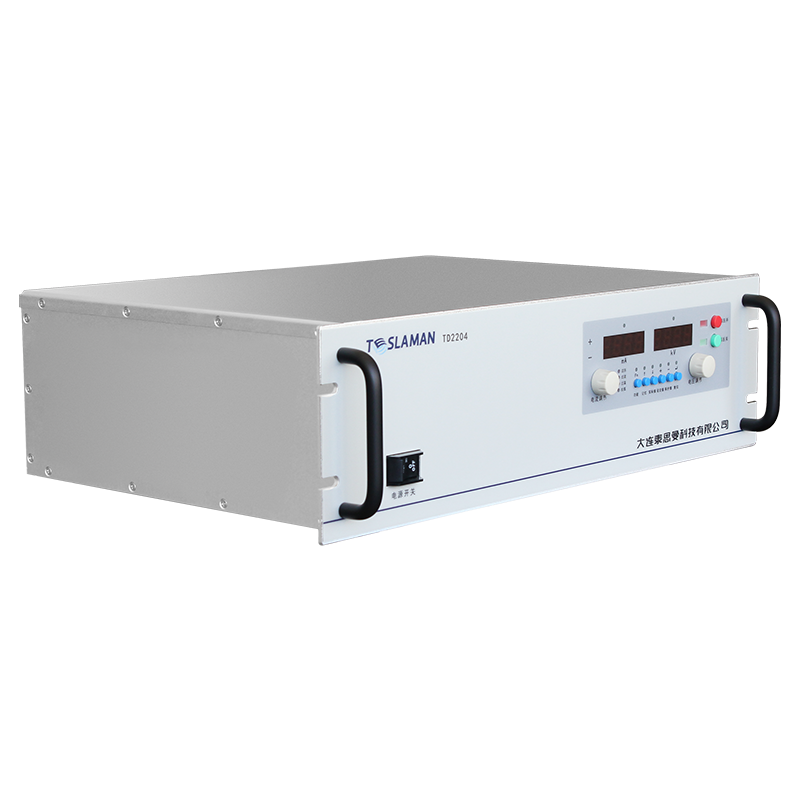
225kV High-Voltage Power Supply in Electron Beam Rapid Prototyping Energy Focusing
Electron beam rapid prototyping has emerged as a versatile technique for the layer-by-layer fabrication of metal components. The process deposits material by melting a feedstock, typically in the form of powder or wire, using a focused beam of electrons. The high-voltage power supply that accelerates the electrons determines the beam energy and the focusing characteristics, which are critical for the dimensional accuracy and material properties of the fabricated part. The 225 kilovolt class of power supply represents a significant step in the energy available for this process.
The energy of the electron beam is determined by the acceleration voltage applied to the electron gun. Higher acceleration voltages produce more energetic electrons, which penetrate deeper into the material and transfer energy over a larger volume. For rapid prototyping applications, the choice of acceleration voltage affects the melt pool characteristics, the deposition rate and the surface finish of the part. The 225 kilovolt supply provides the energy headroom required for efficient melting of high-density metals and alloys.
The focusing of the electron beam is essential for achieving the fine feature resolution demanded by rapid prototyping. The beam must be focused to a small spot on the melt surface to provide the high energy density needed for localized melting. The focusing system, typically based on electromagnetic lenses, requires stable power supplies for the lens currents. The stability of the lens supplies directly affects the spot size and the consistency of the melt pool.
The deflection of the electron beam allows the melt point to be positioned across the build area. Rapid and precise deflection is required to follow the pattern defined by the part geometry. The deflection system requires power supplies that can generate the rapidly changing currents in the deflection coils. The bandwidth and linearity of the deflection system determine the accuracy with which the beam can be positioned, influencing the resolution and dimensional accuracy of the fabricated part.
The interaction between the electron beam and the material determines the melt pool dynamics and the resulting microstructure. The energy density at the melt surface affects the depth and shape of the melt pool, which in turn influence the solidification structure and the mechanical properties of the material. The beam parameters, including the power and the scan pattern, must be controlled to achieve the desired material properties while avoiding defects such as porosity and cracking.
The control of the beam power is essential for managing the thermal input to the part during the build process. The power must be adjusted to melt the feedstock without overheating the surrounding material or causing excessive thermal distortion. The power supply must provide accurate control of the beam power over a wide range, responding rapidly to changes in the process conditions. The modulation of the beam power enables strategies that manage residual stress and improve the dimensional stability of the part.
The vacuum environment of the electron beam system is essential for the operation of the electron gun and the prevention of beam scattering. The high-voltage components must operate reliably under vacuum conditions, and the insulation must withstand the high voltage without breakdown. The vacuum integrity of the system must be maintained to protect the electron gun and to ensure the consistency of the beam characteristics throughout the build process.
The electron gun requires careful design to achieve stable and reliable emission. The cathode material and the heating system determine the emission characteristics, and the control of the emission current affects the beam intensity. The high-voltage supply must provide the acceleration potential while the emission control maintains the beam current at the desired level. The coordination of these functions ensures the stable operation of the electron beam over extended build durations.
The safety of the 225 kilovolt electron beam system requires comprehensive protective measures. The high voltage and the intense beam present hazards to personnel, and the system must be enclosed to prevent access to live components and to contain the X-ray radiation generated by the beam. Interlocks and safety circuits must ensure that the system can only operate when all safety conditions are satisfied. The safe handling of the equipment is a fundamental requirement for use in an industrial setting.
The rapid prototyping process generates significant amounts of heat and metallic vapor, which must be managed to maintain process stability. The vacuum system removes the vapor and particulate matter, and the cooling system removes the heat from the build chamber and the beam column. The power supply contributes to the thermal management through efficient operation, minimizing the waste heat generated within the equipment.
The qualification of parts produced by electron beam rapid prototyping requires comprehensive testing and documentation. The mechanical properties, dimensional accuracy and material integrity must be verified against the specifications. The process parameters, including the beam power and the scan strategy, must be documented to ensure reproducibility. The traceability of the process parameters supports quality assurance and certification of the fabricated components.
The continued development of electron beam rapid prototyping technology expands the range of applications and materials. Higher beam powers enable faster deposition and the processing of more challenging materials. Improved beam control enhances the resolution and surface quality of the fabricated parts. The 225 kilovolt high-voltage power supply plays a central role in these developments, providing the energy and control required for the precise focusing and delivery of the electron beam in advanced rapid prototyping applications.
The process control of the electron beam rapid prototyping system relies on the accurate sensing of the process conditions. The temperature of the build area, the position of the beam and the state of the feedstock must be monitored to ensure the correct execution of the build. The control system uses the sensor data to adjust the beam parameters and the scan strategy in real time. The closed-loop control of the process improves the consistency of the fabricated parts and reduces the occurrence of defects, contributing to the reliability and the efficiency of the rapid prototyping operation.
The material handling in the electron beam rapid prototyping process must be managed to maintain the cleanliness and the consistency of the feedstock. The powder or wire feedstock must be stored and handled to prevent contamination and degradation, and the delivery of the feedstock to the melt area must be controlled to achieve the uniform deposition. The design of the handling system and the procedures for the operation contribute to the reliability of the process and the quality of the fabricated parts. The attention to the material handling supports the efficient and consistent operation of the rapid prototyping system.