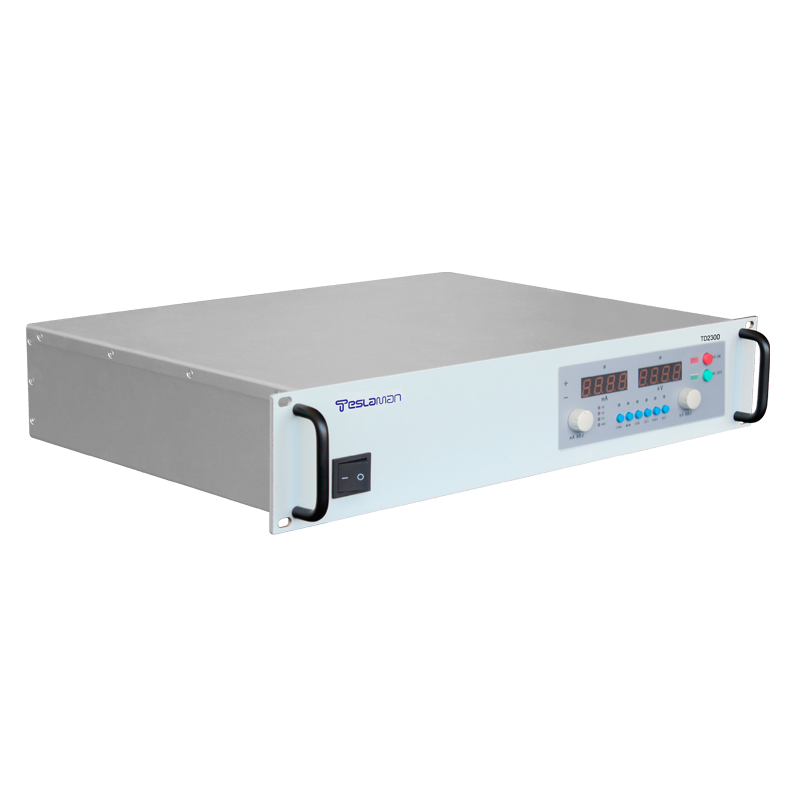
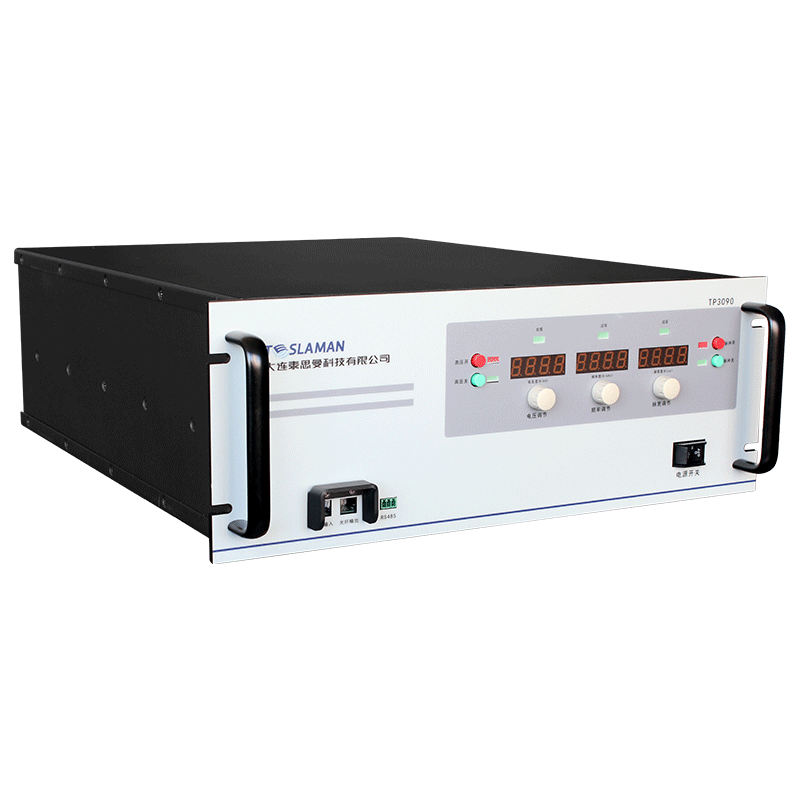
Standard Rack-Mounted High-Voltage Power Supply in Industrial Edge Computing High-Voltage Modules
Industrial edge computing brings processing capabilities to the point of data generation, enabling real-time analysis and control in manufacturing and infrastructure applications. Certain industrial systems incorporate high-voltage modules for functions such as particle charging, electrostatic precipitation, dielectric testing and sensor excitation. The power supply for these high-voltage modules must be integrated into the standard rack-mounted infrastructure used in industrial environments, combining high-voltage capability with the reliability and serviceability expected of industrial equipment.
The integration of high-voltage modules into edge computing systems requires a power supply that occupies a standard form factor while delivering the necessary output characteristics. The rack-mounted configuration allows the high-voltage supply to be installed alongside the computing hardware, sharing the same power distribution, cooling and monitoring infrastructure. The mechanical design must accommodate the high-voltage components within the standard enclosure while maintaining adequate insulation and safety clearances.
The output requirements of the high-voltage modules vary according to the specific function performed. Electrostatic charging applications may require voltages of several kilovolts with modest current capability, while dielectric testing may demand higher voltages with precise control. The power supply must be configurable to meet the requirements of the installed modules, providing the voltage and current ranges needed for the intended application.
The reliability of the high-voltage power supply is critical in edge computing applications, where the equipment operates continuously and downtime has direct economic consequences. The supply must be designed for long service life, with derated components, effective cooling and comprehensive protection. Redundant configurations can provide continued operation in the event of a supply failure, supporting the high availability requirements of industrial systems.
The thermal management of the rack-mounted supply must be coordinated with the overall cooling of the equipment cabinet. The high-voltage components generate heat, and the cooling system must remove this heat without disturbing the thermal environment of the adjacent computing hardware. The airflow through the rack must be managed to ensure that all components operate within the temperature limits, and the power supply must be designed to minimize the thermal load imposed.
The electromagnetic compatibility of the high-voltage supply is important in the context of edge computing, where sensitive electronics operate in close proximity. The high-voltage switching circuits generate interference that could disturb the computing and communication functions. The supply must incorporate effective shielding and filtering to contain the emissions, and the immunity of the supply to external interference must be verified. The electromagnetic environment of the industrial installation must be considered in the design.
The communication and monitoring interface of the power supply enables integration into the edge computing environment. The supply can report the status, output parameters and fault conditions through the standard network infrastructure, allowing remote monitoring and management. The integration of the power supply status into the overall system monitoring provides visibility into the health of the high-voltage modules and enables predictive maintenance.
The safety of the high-voltage supply within the rack-mounted configuration requires careful attention. The high-voltage output must be isolated from the accessible parts of the equipment, and the interlocking must prevent unsafe access. The discharge of the stored energy must be managed safely when the equipment is serviced, and the high-voltage connections must be clearly identified. The safety features must comply with the applicable standards for industrial equipment.
The serviceability of the rack-mounted supply is an important consideration for industrial applications. The modular design allows the supply to be removed and replaced without extensive disassembly of the cabinet, minimizing the time required for maintenance. The provision of test points and diagnostic indicators facilitates fault location and repair. The availability of spare parts and technical documentation supports the long-term maintenance of the equipment.
The power quality of the supply input must be compatible with the industrial power distribution. The supply must tolerate the voltage variations and transients that occur in industrial environments, and the input current must not introduce excessive distortion. Power factor correction and input filtering ensure that the supply operates harmoniously with the other equipment on the same power distribution system.
The standard rack-mounted high-voltage power supply supports the deployment of high-voltage modules in edge computing environments by combining the required electrical performance with the reliability, safety and serviceability expected of industrial equipment. The continued development of compact high-voltage power technology enables higher voltage capability within the standard form factor, expanding the range of applications that can be supported. The integration of high-voltage functionality into the edge computing infrastructure brings the benefits of local processing and control to industrial processes that depend on high-voltage effects.
The deployment of high-voltage modules in industrial edge computing systems requires consideration of the electrical and mechanical integration. The power supply must be compatible with the voltage and frequency of the industrial power distribution, and the mechanical mounting must accommodate the standard rack infrastructure. The interconnection between the supply and the high-voltage modules must be rated for the operating voltage and protected against accidental contact. The installation documentation and the training of the maintenance personnel support the safe and efficient deployment of the equipment.
The monitoring and management of the high-voltage modules benefit from the integration of the power supply status into the industrial control network. The data collected from the supply, including the output voltage, current and temperature, provide visibility into the operation of the high-voltage modules. The analysis of the operating data supports the optimization of the process parameters and the early detection of anomalies. The integration of the power supply monitoring with the industrial management systems enables the efficient operation and maintenance of the high-voltage modules in the edge computing environment.
The reliability and the availability of the high-voltage modules in the edge computing environment depend on the quality of the power supply and the effectiveness of the maintenance program. The preventive maintenance, including the inspection, cleaning and testing of the high-voltage components, reduces the likelihood of the unexpected failures. The condition monitoring provides the data for the assessment of the equipment health and the scheduling of the maintenance activities. The combination of the reliable equipment design and the effective maintenance program supports the continuous operation of the high-voltage modules in the industrial environment.