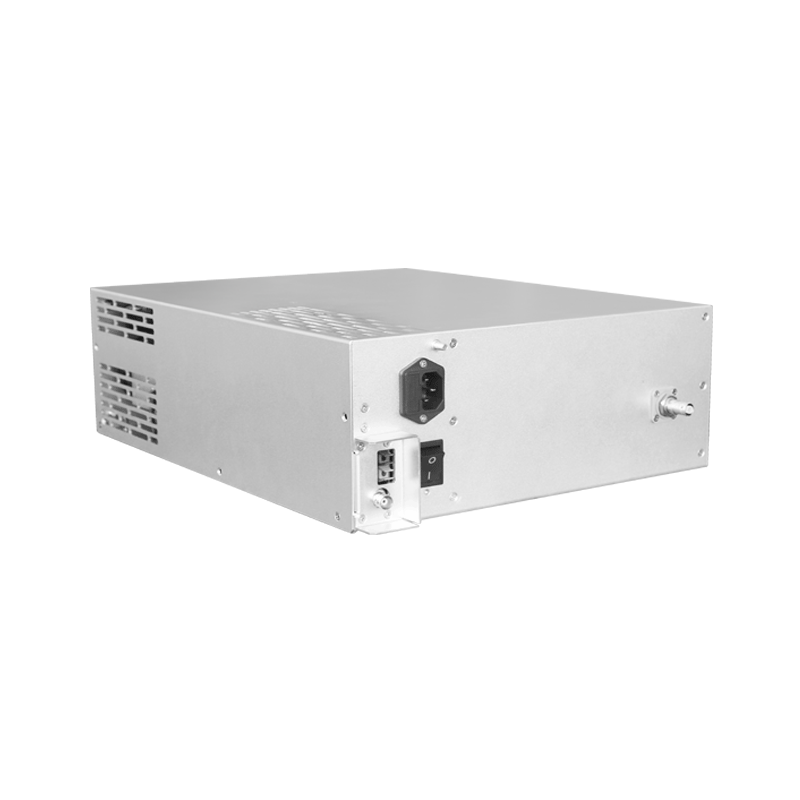
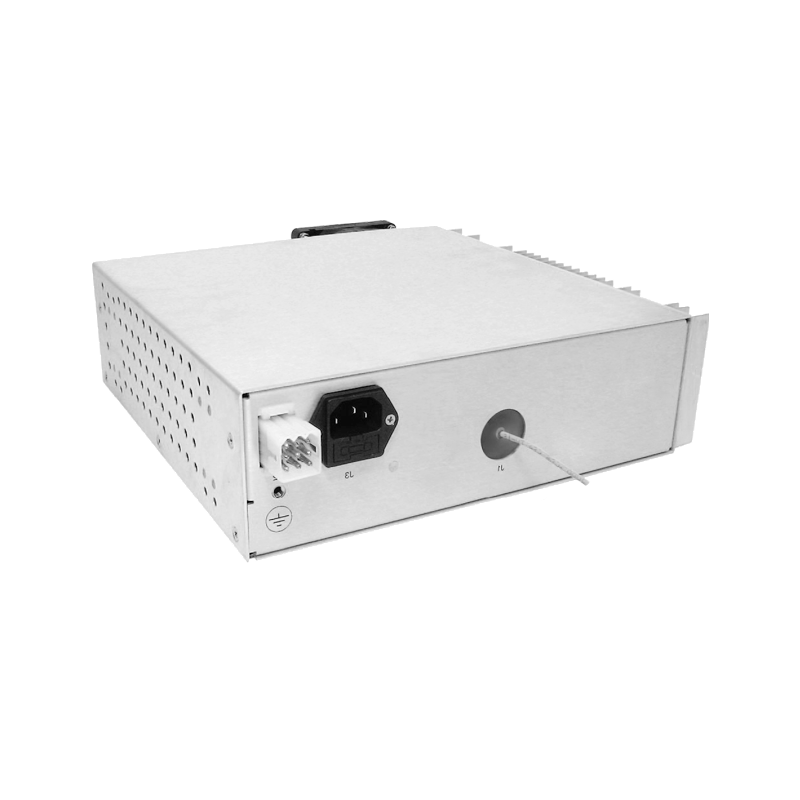
Neutron Accelerator High-Voltage Supply in Industrial Materials Analysis Facilities
Neutron-based materials analysis is a powerful method for determining the elemental composition and the structure of industrial materials. The technique uses neutrons generated by a compact accelerator that accelerates ions onto a target, and the resulting neutron beam is used for activation analysis, prompt gamma analysis, and neutron radiography. The high-voltage supply of the neutron accelerator determines the ion energy and hence the neutron yield and the energy spectrum of the emitted neutrons. In an industrial analysis facility, the supply must provide a stable, reliable high voltage for the continuous operation of the accelerator.
The neutron generator accelerates deuterium or hydrogen ions through a high voltage and directs the ion beam onto a target that contains a neutron-producing material. The neutron yield depends strongly on the ion energy, so the stability of the accelerating voltage directly affects the reproducibility of the analysis. The supply provides the accelerating voltage with a precision that is defined by the required accuracy of the neutron measurements, and the regulation loop maintains the voltage constant over the operating period.
The ion source of the accelerator requires several auxiliary voltages, including the extraction voltage and the focusing voltages. The supply provides these voltages through a multi-channel output, and the stability of each channel affects the ion beam quality. The extraction voltage determines the ion current, and the focusing voltages shape the beam that strikes the target. The supply regulates the channels with the precision required by the accelerator design, and the channel voltages are monitored continuously.
The accelerator operates in an industrial environment, which may be a factory, a laboratory, or a field facility. The supply must tolerate the ambient conditions, including the temperature variations, the humidity, and the electrical disturbances of the industrial site. The cabinet is sealed against dust and moisture, and the cooling system maintains the internal temperature within the limits. The supply is protected against the voltage transients of the mains and against the electromagnetic interference of the site.
Safety is a central requirement for a neutron generator, because the neutron beam is a radiation hazard and the high voltage is dangerous. The supply is interlocked with the radiation shielding, the access control, and the beam shutter, and the high voltage is enabled only when all safety conditions are satisfied. The interlocks are redundant, and the safety circuits are tested at defined intervals. The stored energy of the output is discharged when the accelerator is stopped.
The analysis procedures require a precise control of the irradiation dose, which is the product of the neutron yield and the irradiation time. The supply contributes to the dose control by providing a stable accelerating voltage and a controlled ion current, and the neutron yield is monitored by the radiation detectors. The measured yield is compared with the expected value, and the irradiation time is adjusted to deliver the target dose.
Reliability is essential for the industrial analysis facility, because the analysis results are used for the quality control and the process decisions. A failure of the accelerator supply interrupts the analysis program and delays the delivery of the results. The supply is designed with a high mean time between failures, redundant subsystems for the critical functions, and a diagnostic system that records the operating history. The maintenance plan is based on the operating data, and the spare modules are stocked.
The supply communicates with the accelerator control system through a digital interface that carries the setpoints, the measured values, and the status. The control system manages the irradiation sequence and downloads the voltage and current settings to the supply at the start of each run. The supply returns the actual values, and the data are recorded with the analysis results for the traceability.
The calibration of the supply is verified at defined intervals with a reference measurement of the accelerating voltage. The calibration data are retained in the quality records, and the drift of the output is monitored between the calibrations. The monitoring data support the scheduling of the calibration and the maintenance, and the analysis results are correlated with the recorded electrical parameters to detect any systematic drift.
The neutron generator is also used for the training and the education of the personnel, and the supply supports the safe operation during the training sessions. The operating procedures are documented, and the safety interlocks are demonstrated to the trainees. The training is conducted under the supervision of the experienced staff, and the operational experience is accumulated in the facility records.
The service organization of the facility is supported by the remote monitoring capability of the supply. The supply records the key operating parameters, and the records are transferred to the service center during the maintenance visits. The service engineers analyze the records to identify the trends and the anomalies, and the analysis is used to plan the preventive actions. The remote data reduce the number of the unscheduled visits and improve the availability of the accelerator. The monitoring capability is complemented by the diagnostic tests that are performed by the local staff, and the test procedures are documented with the expected results. The combination of the local diagnostics and the remote analysis provides the complete picture of the supply condition, and the service decisions are based on the measured evidence rather than on the calendar alone.
In summary, the neutron accelerator high-voltage supply for the industrial materials analysis integrates precise voltage regulation, multi-channel control, comprehensive safety interlocks, and reliable operation into a rugged package. The result is a supply that maintains the neutron yield stability required for the reproducible analysis while meeting the safety and the availability demands of the industrial facility. The modular design of the supply also facilitates the upgrade of the analysis facility, because the higher-voltage modules can be added to extend the energy range of the accelerator without replacing the entire system. Every improvement in the voltage stability, every refinement of the safety system, and every enhancement of the monitoring capability contributes directly to the reliability of the analysis results. The engineering effort continues as the neutron analysis technology extends to new materials and new industrial applications.