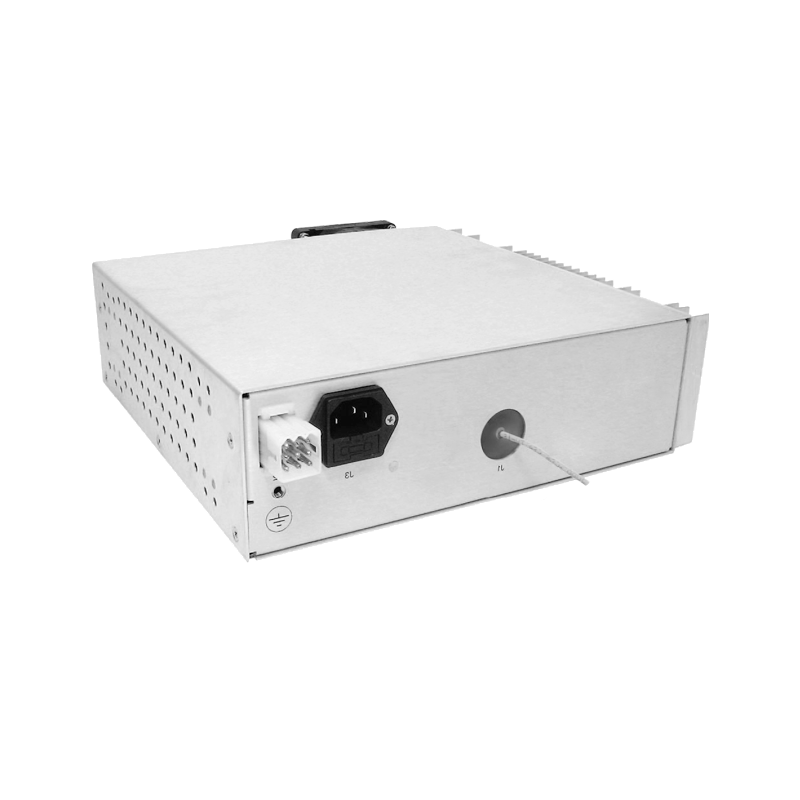
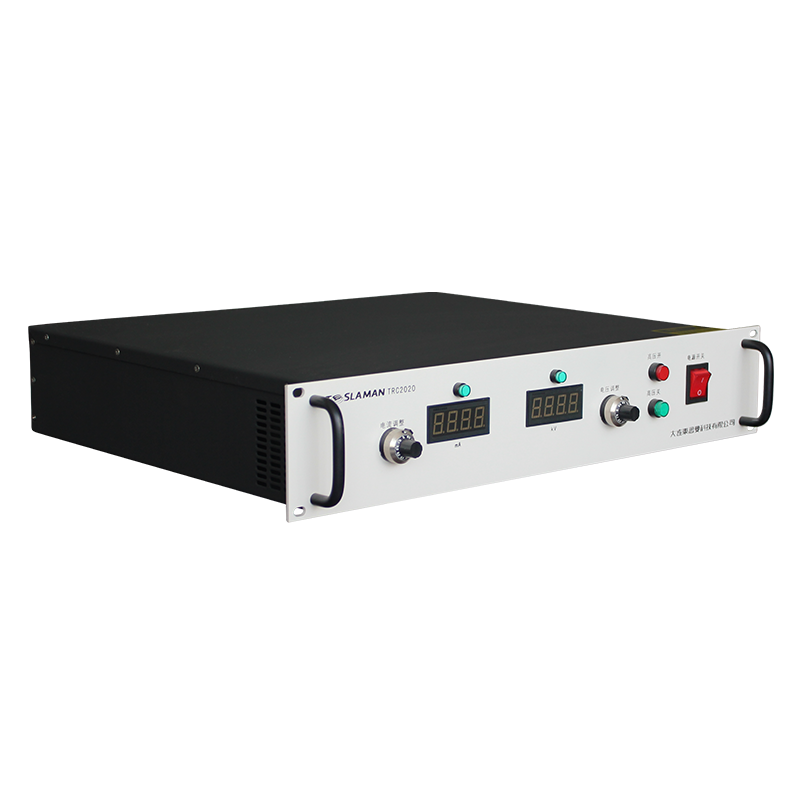
Aging Test of Vacuum Electronic Devices with Electron Beam System High-Voltage Supply
Aging test of vacuum electronic devices requires a high-voltage supply with controlled output from the electron beam system. Vacuum electronic devices such as power tubes and electron guns must be aged before the devices are put into service, so that the emission characteristics stabilize and the internal surfaces are conditioned. The aging process applies defined voltages and currents for a specified duration, and the supply must maintain these conditions precisely throughout the test. A supply designed for aging service provides the controlled stress that the devices need for reliable operation.
The first requirement is the accurate control of the operating point. The aging test defines the anode voltage, the beam current and the filament conditions, and the supply maintains these parameters at the set-point during the aging period. The regulation compensates for the changes in the device behavior as the aging progresses, and the monitoring records the actual conditions. The controlled stress prevents damage to the device while the internal conditioning takes place.
The second requirement is the programmability of the aging sequence. The aging process often uses a stepped profile, in which the voltage and the current are increased gradually to the final level. The supply executes the profile automatically, and the timing of each step is defined by the aging procedure. The fault handling interrupts the sequence if the device behavior deviates from the expected range, protecting both the device and the equipment.
The third requirement concerns the monitoring and the recording of the test. The aging result is evaluated from the behavior of the device during the test, including the emission stability and the occurrence of the internal discharges. The supply records the voltage, the current and the fault events with the time stamps, providing the data for the evaluation of the device quality. The records support the acceptance of the device after the aging.
The control architecture combines the high-voltage regulation with the sequence management. The supply provides the anode and the filament power, and the control system coordinates the start-up, the aging profile and the shutdown. The interlocks prevent the operation when the device is not correctly installed, and the protection responds to the arcs and the overloads. The communication interface connects the supply to the aging test system.
Insulation and component design follow the demands of the aging service. The high-voltage section is sized for the continuous operation at the rated level, and the thermal design removes the heat from the losses. The insulating materials are selected for the operating temperature and the voltage stress, and the cooling system maintains the stable conditions. The reliability of the supply is essential because an interruption during the aging invalidates the test.
Verification covers the regulation accuracy, the sequence execution and the protection behavior. The output is measured with calibrated instruments over the operating range, and the execution of the aging profile is verified with the recorded waveforms. The protection functions are tested with the simulated fault conditions, and the results are compared with the specification. Acceptance testing includes an aging run with a reference device.
Integration with the aging facility follows the defined interfaces. The supply is connected to the test sockets, the safety circuits and the monitoring system, and the timing of the aging sequence is coordinated with the device handling. The grounding arrangement avoids interference between the power stage and the measurement electronics, and the cabling is arranged for the reliable connection. Commissioning verifies the complete aging system.
The application value appears in the quality assurance of the vacuum electronic devices. A controlled aging process stabilizes the device characteristics and reduces the early failures in the field, which improves the reliability of the final equipment. The automated sequence and the recording reduce the operator involvement and the variation between the tests. The reliability of the supply supports the continuous operation of the aging line.
Maintenance focuses on the high-voltage stage, the filament circuits and the protection systems. The insulation, the connections and the cooling system are inspected at defined intervals, and the calibration is verified against the reference. The recorded test data support the detection of changes in the supply behavior. Spare modules for the critical sections reduce the downtime during a failure.
The production planning of the device manufacturer depends on the predictable duration of the aging process. Each device type has a defined aging profile, and the completion of the aging within the planned time allows the delivery schedule to be met. The reliability of the supply prevents the interruptions that would require the restarted aging and the extended test time. The recording of the aging conditions also supports the warranty claims and the field failure analysis, because the service history of each device is documented.
The knowledge accumulated from the aging tests is used to improve both the devices and the test process. The observed emission behavior, the discharge statistics and the failure patterns are analyzed to identify the weaknesses of the device design and the manufacturing process. The supply parameters are correlated with the aging results, supporting the optimization of the aging profiles for the future batches. This continuous improvement loop increases the yield of the aging line and the reliability of the delivered devices.
The documentation of the aging system follows the requirements of the quality management. The operating procedures, the fault handling and the maintenance instructions are maintained in a controlled manner, and the training of the operators is updated when the procedures change. The audit of the aging process verifies that the documented practice is followed, that the records are complete and that the supply performance is consistent with the specification.
Development continues toward more automated aging and better process control. The integration of the supply with the device evaluation software allows the aging profile to be adapted to the device behavior in real time, improving the efficiency of the process. Digital records and remote monitoring support the management of the aging line. The electron beam system high-voltage supply will continue to evolve with these capabilities, supporting the reliable production of vacuum electronic devices.