Flexible Solar Cell Coating with Magnetron Sputtering High-Voltage Supply
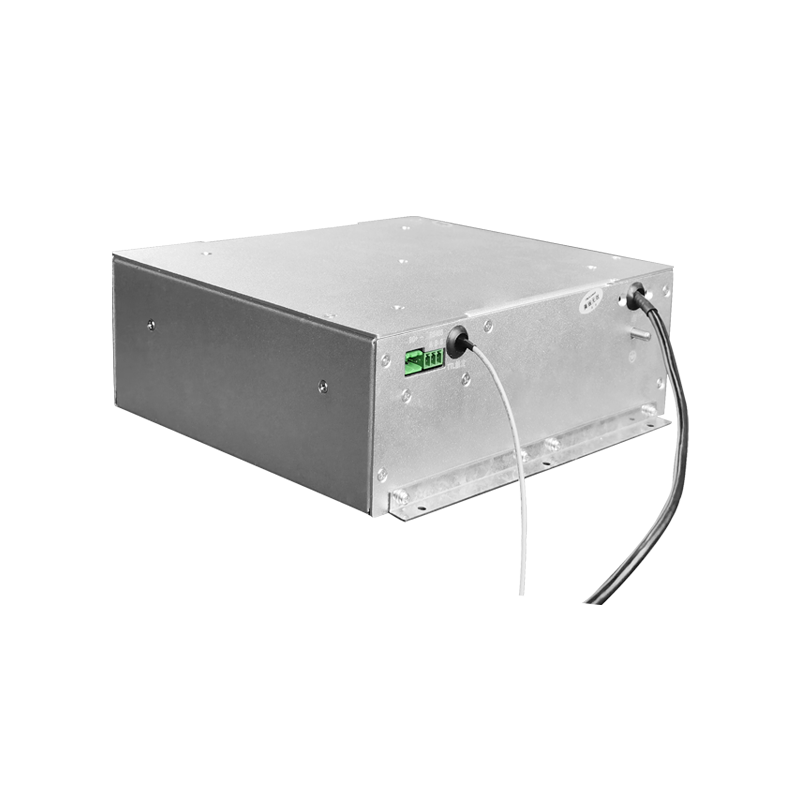
Flexible solar cell coating with a magnetron sputtering high-voltage supply supports the production of thin-film photovoltaic devices on flexible substrates. Flexible solar cells are manufactured on polymer foils or thin metal sheets, and the transparent conductive layer and the absorber layers are deposited by sputtering. The high-voltage supply drives the magnetron discharge, and the stability of the output determines the deposition rate and the uniformity of the layers across the moving substrate. A supply that maintains the defined discharge conditions supports the efficient production of the flexible solar cells.
The first requirement is the stable operation of the magnetron discharge. The sputtering process depends on the controlled discharge at the target, and the supply maintains the power or the voltage at the set-point despite the variations of the discharge impedance. The arc handling responds to the micro-arcs that occur during the reactive sputtering, and the recovery is fast so that the deposition is not disturbed. The stable discharge produces the uniform layer thickness across the substrate width.
The second requirement is the compatibility with the reactive process. The deposition of the transparent conductive oxide involves the reactive gases, and the process window is narrow because the target condition changes with the gas flow. The supply supports the controlled transition between the metallic and the reactive modes, and the monitoring of the discharge voltage provides the feedback for the process control. The stable operation in the reactive regime is essential for the layer quality.
The third requirement concerns the continuous production on the moving substrate. The substrate foil passes through the deposition zone at a defined speed, and the supply must maintain the deposition conditions for the whole length of the roll. The long-term stability of the output prevents the drift of the layer properties along the roll, and the thermal management keeps the discharge conditions constant. The repeatability from roll to roll supports the consistent production.
The control architecture combines the power regulation with the process management. The supply communicates with the coating line controller, and the discharge parameters are set according to the recipe for each layer. The fault handling distinguishes the process events from the equipment faults, and the recorded data support the analysis of the production. The interface supports the closed-loop control with the optical monitoring of the deposited layer. The feedback from the layer measurement allows the discharge conditions to be corrected during the run.
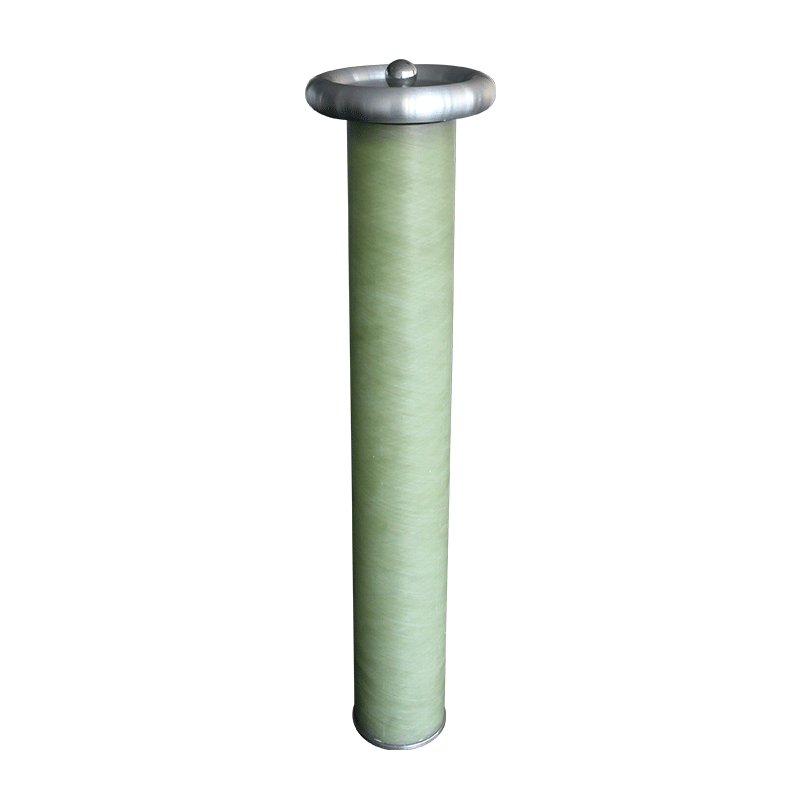
Insulation and component design follow the demands of the sputtering environment. The supply is installed near the vacuum chamber, and the construction is compatible with the cleanroom and the safety requirements. The cooling system removes the heat from the power stage and the cable, and the connections are designed for the reliable operation at the high current. The electromagnetic compatibility measures prevent the interference with the process monitoring.
Verification covers the electrical performance and the coating result. The output power, the stability and the arc behavior are measured with the calibrated instruments, and the test coatings are evaluated for the thickness, the resistivity and the optical transmission. The correlation between the supply parameters and the layer properties is documented, so that the process can be controlled through the electrical settings. Acceptance testing includes a coating run under the production conditions.
Integration with the coating line follows the defined interfaces. The supply is connected to the target, the chamber and the line control, and the timing of the discharge is synchronized with the substrate movement and the gas flow. The grounding arrangement avoids the interference between the power stage and the thickness monitoring, and the cabling is routed for the reliable operation. Commissioning verifies the complete coating line.
The application value appears in the cost and the performance of the flexible solar cells. The stable sputtering process produces the layers with the consistent thickness and the low defect density, which improves the conversion efficiency of the cells. The continuous operation of the supply supports the high throughput of the roll-to-roll production, reducing the cost per watt of the output. The reliability of the equipment contributes to the availability of the production line.
Maintenance focuses on the discharge-related components and the power stage. The target connection, the cabling and the cooling system are inspected at the defined intervals, and the calibration of the output is verified. The recorded production data support the detection of the changes in the discharge behavior. Spare modules for the critical sections reduce the downtime during a failure.
The economic performance of the flexible solar cell production depends on the utilization and the yield of the coating line. The sputtering step is one of the most cost-intensive parts of the process, and the reliable operation of the supply keeps the line running at the planned speed. The consistency of the discharge reduces the number of the rejected rolls, and the recorded data support the optimization of the process settings. The supply therefore contributes directly to the production cost of the flexible cells.
The environmental aspects of the sputtering process are supported by the supply design. The efficient power conversion reduces the energy consumption, and the stable operation minimizes the waste of the target material and the process gases. The monitoring of the discharge conditions helps to maintain the process within the designed window, reducing the emissions and the byproducts. The documentation of the energy and the material usage supports the sustainability reporting of the production facility. The process records also provide the data for the continuous improvement of the coating recipes.
Development continues toward the higher efficiency and the better process control. The improved power stages reduce the energy consumption of the sputtering process, and the digital control enables the adaptive adjustment of the discharge based on the real-time signals. The integration with the line monitoring may support the automatic optimization of the deposition for the changing substrate conditions. The stable discharge and the precise power delivery will keep the coating quality consistent from roll to roll. The magnetron sputtering high-voltage supply will continue to evolve with these capabilities, supporting the production of the high-efficiency flexible solar cells.