Electron Beam 3D Printing High-Voltage Supply Energy Optimization for High-Precision Metal Part Forming
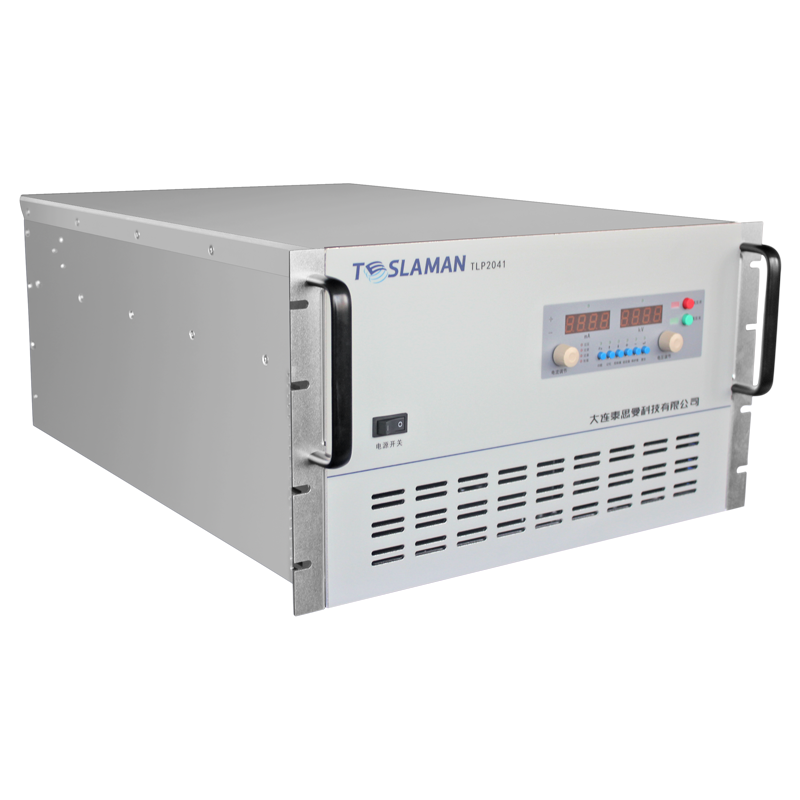
Energy optimization of the electron beam 3D printing high-voltage supply is essential for high-precision metal part forming. Electron beam powder bed fusion builds parts layer by layer using a focused electron beam to melt metal powder. The supply accelerates and controls the beam that delivers thermal energy to the powder bed. Optimization targets beam stability, energy efficiency and precise energy delivery. These factors determine dimensional accuracy, material properties and production economics.
The electron beam melts powder along a programmed scan path within each layer. Beam power density at the melt pool governs melting depth and width. The supply delivers accelerating voltage and beam current that define power density. Stable output prevents variation in melt pool geometry. Consistent energy delivery produces uniform microstructure across the part.
Beam focus determines the spot size at the powder bed. Focus current from auxiliary supplies shapes the beam cross-section. Smaller spots enable finer features but require precise focus stability. The high-voltage supply contributes through stable accelerating voltage that maintains focus conditions. Focus calibration compensates for thermal drift during long builds.
Scan strategies distribute energy to manage thermal gradients. The beam visits different regions according to a programmed pattern. Rapid deflection between scan points requires fast response from deflection amplifiers. The supply maintains accelerating voltage constant while deflection fields change. Coordination between beam position and power prevents overheating or incomplete melting.
Powder preheating reduces thermal shock and residual stress in parts. The beam sweeps the powder bed at moderate power to raise temperature before melting. The supply supports preheat recipes with distinct power and scan parameters. Effective preheating improves dimensional stability and reduces distortion. Temperature control during preheat affects final part quality.
Melt pool dynamics are sensitive to energy input fluctuations. The supply must deliver steady power during the melting of each hatch line. Ripple in beam power creates periodic variations in melt depth. Low-ripple design minimizes these variations. Feedback from melt pool monitoring can adjust power in real time.
Thermal management during long builds prevents component overheating. The electron gun and beam-forming components generate heat during operation. Cooling systems maintain temperature within operating limits. Supply efficiency reduces heat load on the cooling system. Temperature monitoring protects against thermal failure.
Energy efficiency of the supply affects both operating cost and machine footprint. High conversion efficiency minimizes wasted heat and reduces cooling requirements. Efficient topologies, such as resonant converters, improve power factor and reduce losses. Efficiency gains compound over long build cycles. Energy monitoring supports cost analysis.
Part quality depends on achieving full density without defects. Incomplete melting creates porosity that weakens parts. Excessive energy causes keyholing and spatter. The supply enables precise energy control to stay within the process window. Process development maps energy parameters to part quality outcomes.
Resolution of fine features depends on beam size and positioning accuracy. The supply supports fine feature formation through stable, well-focused beams. Thin walls and lattice structures require careful energy management to avoid overmelting. Layer thickness interacts with beam energy to define achievable resolution. Precision energy delivery supports advanced geometries.
Material behavior varies across metal powders used in additive manufacturing. Titanium alloys, nickel superalloys and tool steels have different thermal properties. Energy requirements differ for each material. The supply accommodates material-specific parameter sets. Process databases store optimized recipes for common materials. Material qualification verifies mechanical properties of printed parts.
Automation of the printing process requires reliable supply operation over extended periods. Builds lasting many hours demand sustained stability. The supply maintains output precision throughout long runs. Automated monitoring detects anomalies that could compromise the build. Early warning enables intervention before part loss.
Quality assurance includes non-destructive testing of printed parts. X-ray computed tomography reveals internal defects. The correlation between energy parameters and defect formation guides optimization. Statistical process control tracks key quality metrics. Continuous improvement reduces defect rates over successive builds.
The supply integrates with the machine control system for coordinated operation. Beam control, stage motion and powder spreading synchronize during the build. Communication between supply and controller enables real-time adjustment. Recipe management stores complete build parameters. Data logging supports build traceability.
Safety interlocks protect operators from high voltage and beam hazards. The vacuum chamber cannot be opened while the beam is active. Interlocked grounding discharges stored energy before access. Radiation shielding contains x-ray generation. Safety systems are verified through periodic testing.
Electromagnetic compatibility ensures the supply does not interfere with machine sensors and controls. Beam deflection amplifiers are sensitive to electrical noise. Shielding and filtering protect signal integrity. Immunity design prevents disruption from other equipment. Qualification testing validates compatibility.
Maintenance of the electron beam system includes periodic gun service and vacuum maintenance. The supply supports maintenance through diagnostic functions. Component wear is tracked through performance monitoring. Preventive maintenance schedules minimize unplanned downtime. Documentation guides service procedures.
Emerging applications in aerospace and medical implants demand certified part quality. Process validation demonstrates repeatable mechanical properties. The supply contributes through consistent energy delivery batch after batch. Qualification programs build confidence in additive manufacturing. Regulatory compliance supports production adoption.
In summary, energy optimization of the electron beam 3D printing high-voltage supply enables high-precision metal part forming through stable beam delivery, efficient conversion and precise energy control. Beam stability, thermal management and process integration determine part quality and production reliability. Continued advancement in supply technology will expand the capability and adoption of electron beam additive manufacturing.
Powder layer characteristics influence beam energy requirements. Powder particle size distribution and packing density affect thermal conductivity of the bed. The supply delivers energy appropriate to the layer condition. Layer quality monitoring supports process adjustment. Consistent powder handling maintains build quality.
Residual stress management in printed parts depends on thermal history control. The supply supports energy profiles that minimize stress accumulation. Post-build heat treatment addresses remaining stress. Dimensional accuracy benefits from controlled thermal gradients. Mechanical properties improve with stress optimization.
Machine monitoring systems track supply performance during builds. Beam current, voltage and focus data are recorded continuously. Anomaly detection alerts operators to developing issues. Preventive intervention avoids build failure. Data analysis supports continuous process improvement.
Process documentation records energy parameters for each build configuration. Standard operating procedures specify beam settings and scan strategies. Operator adherence maintains consistency across builds. Documented processes support quality audits and repeatable production.