Voltage Application of Electrospinning High-Voltage Supplies in the Preparation of Biodegradable Nanofiber Scaffolds for Biomedical Use
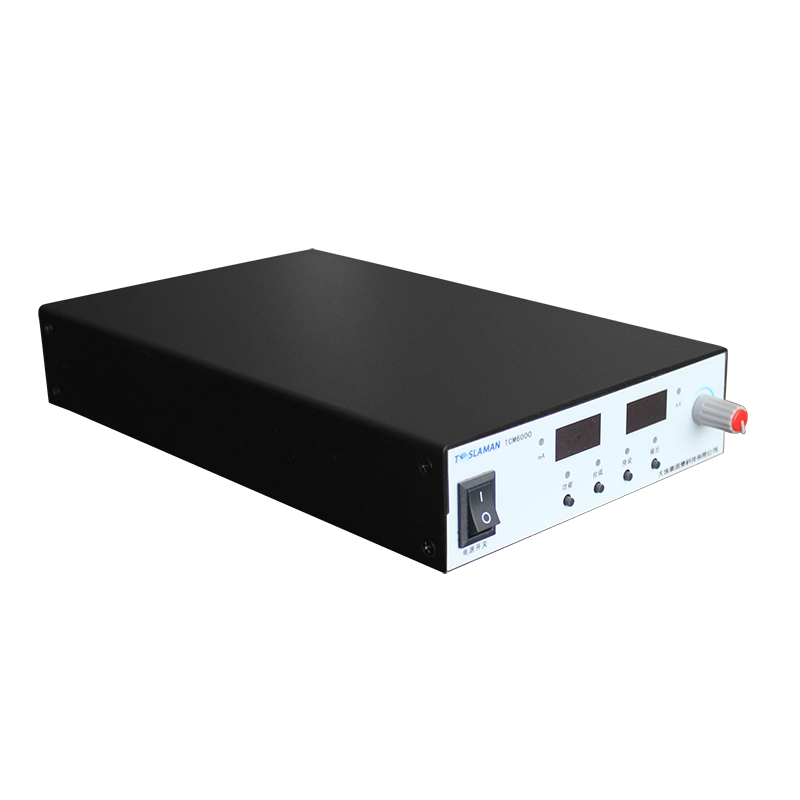
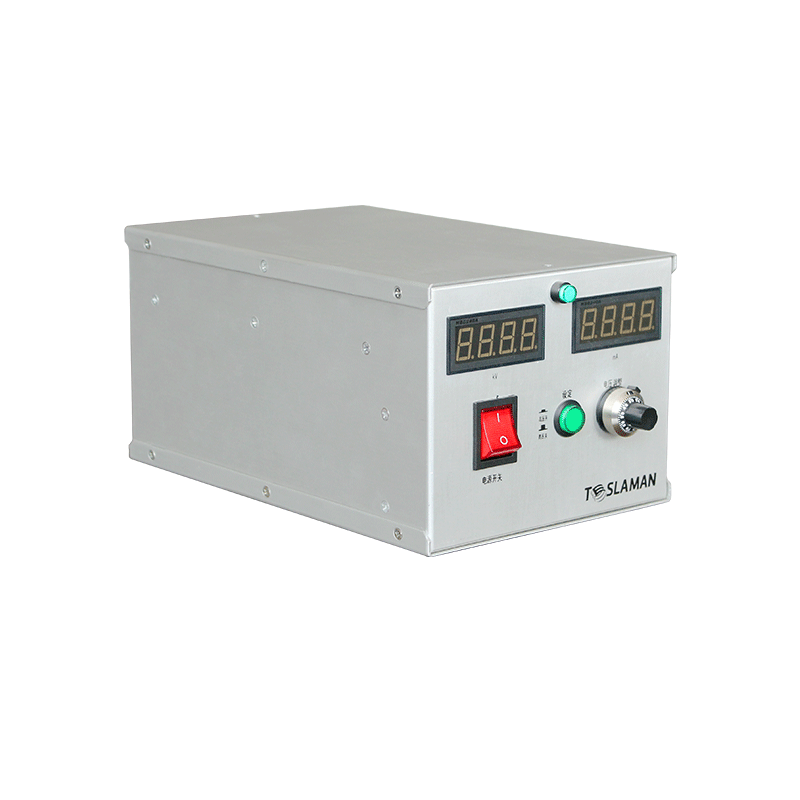
Electrospinning produces nanofiber scaffolds from the polymer solutions under the influence of the high electric field, and the high-voltage supply is the core component that drives the fiber formation. The voltage applied between the spinneret and the collector determines the fiber diameter and the scaffold structure, and the control of the voltage is essential for the preparation of the biodegradable scaffolds for the biomedical applications. The engineering work covers the voltage control, the process stability, and the safety, and the requirements are defined by the biomedical application.
The electrospinning process starts with the charging of the polymer solution at the spinneret tip, and the electric field deforms the droplet into the Taylor cone. When the field strength exceeds the threshold, the charged jet is ejected from the cone, and the jet is stretched and solidified into the fiber during the flight to the collector. The voltage determines the field strength and the charge density, and the process parameters must be matched to the solution properties.
The fiber diameter depends on the voltage, the flow rate, the solution concentration, and the distance to the collector, and the voltage affects the stretching of the jet and the evaporation of the solvent. The relationship between the voltage and the fiber diameter is established for the given solution, and the process is operated within the stable electrospinning window. The stability of the voltage is critical for the uniformity of the fiber diameter.
The biodegradable scaffolds are prepared from the polymers such as the polylactic acid and the polycaprolactone, and the solution properties vary with the polymer type and the solvent. The required voltage depends on the conductivity and the viscosity of the solution, and the supply must provide the adjustable output over the required range. The process development determines the optimal voltage for each material system, and the supply configuration is set accordingly.
The biomedical scaffolds require the controlled fiber diameter, the porosity, and the mechanical properties, and the scaffold structure is influenced by the process parameters. The voltage affects the fiber alignment and the packing density, and the collector configuration is adjusted to achieve the desired structure. The scaffold properties are characterized by the microscopy and the mechanical testing, and the process is optimized to meet the application requirements.
The long-duration electrospinning runs require the stable operation of the supply, and the output must remain constant over the production time. The drift of the voltage changes the fiber diameter and the scaffold structure, and the feedback control maintains the output at the set value. The thermal stability of the supply is important for the long runs, and the cooling and the monitoring ensure the reliable operation.
Environmental conditions affect the electrospinning process, and the humidity and the temperature change the evaporation and the solution properties. The voltage requirement may change with the environmental conditions, and the process control compensates for the variations. The enclosure of the process provides the controlled environment for the reproducible production, and the monitoring of the conditions supports the process adjustment.
The safety of the electrospinning equipment is a key consideration, and the high voltage presents the electrical hazard to the operators. The interlock system interrupts the voltage when the enclosure is opened, and the discharge circuits remove the stored energy. The warning labels and the safety instructions inform the operators, and the safety design follows the applicable standards.
The verification of the scaffold production includes the characterization of the fiber morphology and the scaffold properties, and the results are compared with the specification for the biomedical application. The reproducibility of the production is verified through the repeated batches, and the process control maintains the consistency. The verification data supports the qualification of the scaffolds for the biomedical use.
The scaffolds are used for the tissue engineering and the regenerative medicine, and the biocompatibility of the materials is verified through the biological testing. The scaffold structure supports the cell attachment and the growth, and the degradation behavior is matched to the tissue regeneration. The production process must provide the consistent scaffold quality for the medical applications.
The scalability of the electrospinning production is important for the commercial application, and the multi-nozzle systems increase the production throughput. The supply must provide the power for the multiple spinnerets with the uniform voltage distribution, and the control of the multi-nozzle process is more complex. The process development addresses the scaling challenges and maintains the scaffold quality.
New biomedical applications require the scaffolds with the specific structures and properties, and the development of the electrospinning technology follows the requirements of the medical field. The advanced control of the voltage and the process enables the production of the tailored scaffolds, and the integration with the other fabrication methods expands the design possibilities.
Voltage application of the electrospinning high-voltage supplies in the preparation of the biodegradable nanofiber scaffolds provides the controlled fiber production for the biomedical applications, and the stable voltage, the process optimization, and the safety design deliver the consistent scaffold quality. The continued development will extend the capability and support the advancement of the tissue engineering.
The control of the electrospinning process includes the management of the flow rate and the collector movement, and the coordination of the voltage with the other parameters determines the scaffold structure. The process recipe specifies the values for each parameter, and the control system executes the recipe with the defined sequence. The monitoring of the process conditions supports the adjustment of the parameters, and the reproducibility of the process is verified through the repeated production runs.
The quality control of the scaffolds includes the characterization of the fiber diameter distribution and the scaffold porosity, and the results are compared with the specification for the intended application. The process data is recorded for each batch, and the traceability of the production supports the quality assurance. The statistical analysis of the quality data identifies the trends and the improvement opportunities, and the process is continuously optimized.
The packaging and the sterilization of the scaffolds require the careful handling to preserve the structure and the properties, and the process steps are validated for the biomedical application. The documentation of the scaffold production supports the regulatory compliance, and the quality system is maintained according to the applicable standards. The cooperation with the medical device manufacturers ensures that the scaffolds meet the application requirements.