Deployment of Standard Rack-Mounted High-Voltage Supplies in High-Voltage Power Delivery for Industrial IoT Edge Nodes
Industrial facilities increasingly use the edge nodes of the Internet of Things to monitor and control the production processes, and the edge nodes that interface with the high-voltage equipment require the reliable high-voltage power delivery. Standard rack-mounted high-voltage supplies provide the regulated outputs for the edge node systems, and the deployment of the supplies in the industrial environment must meet the requirements of the reliability and the maintainability. The engineering work covers the rack integration, the power management, and the monitoring.
The edge nodes in the industrial IoT may control the electrostatic precipitators, the coating systems, and the other high-voltage processes, and the power delivery for the control electronics must be isolated from the high-voltage sections. The rack-mounted supply provides the low-voltage outputs for the logic and the control circuits, and the isolation between the sections prevents the interference. The supply also monitors the high-voltage state and communicates with the edge node.
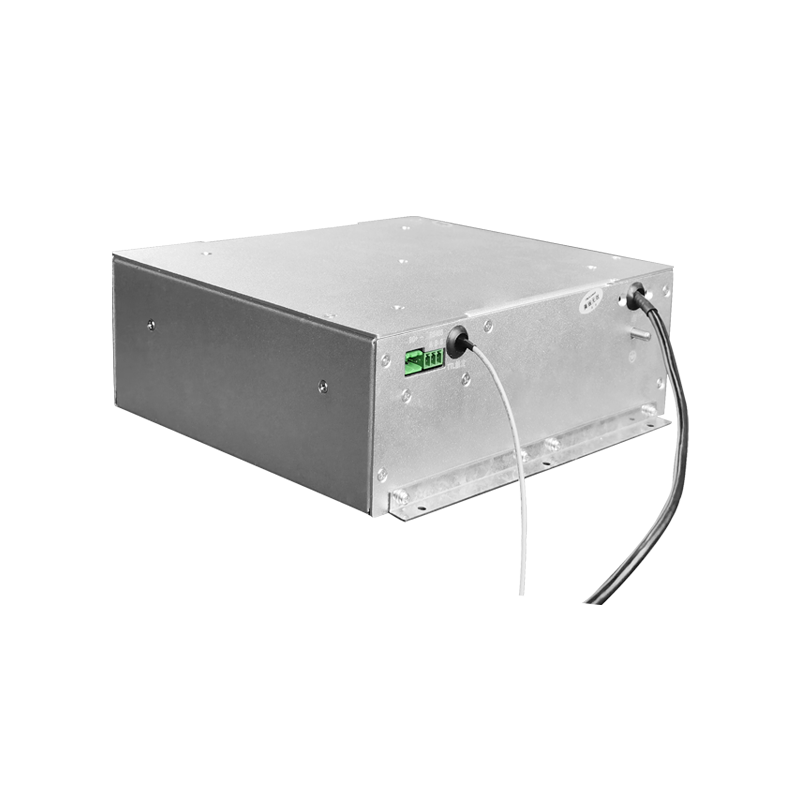
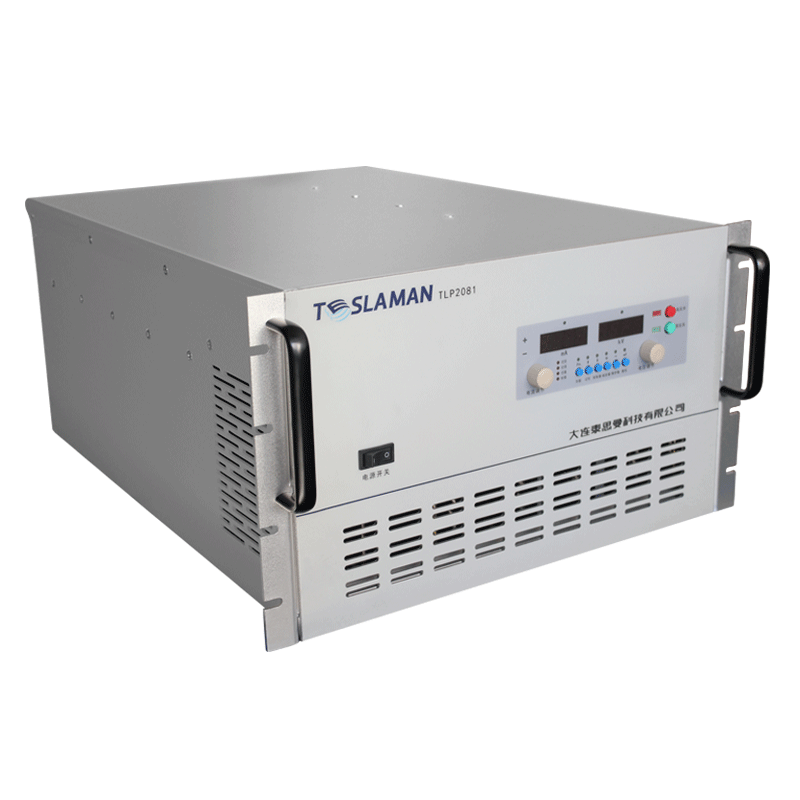
The standard rack format provides the uniform mechanical and electrical interface, and the supplies from the different configurations can be installed in the standard racks. The front panel provides the controls and the indicators, and the rear connections provide the power and the signal interfaces. The standardization simplifies the integration and the replacement, and the spares management is improved.
The industrial environment exposes the equipment to the temperature variations, the vibration, and the dust, and the supply is designed for the reliable operation under these conditions. The cooling system maintains the component temperatures within the limits, and the enclosure protects the electronics from the contamination. The environmental testing verifies the operation over the specified range.
The power delivery for the edge nodes includes the management of the input power and the output protection, and the supply provides the overcurrent and the overvoltage protection for the connected equipment. The power sequencing ensures the correct startup of the edge node, and the hold-up time bridges the short power interruptions. The power quality is monitored for the detection of the line problems.
The monitoring and the communication functions enable the integration of the supply into the industrial network, and the status and the measured values are transmitted to the edge node. The remote monitoring supports the centralized supervision of the power system, and the alarms are reported for the abnormal conditions. The communication protocols follow the industrial standards.
The edge node processes the data from the high-voltage process and adjusts the process parameters, and the coordination between the supply and the edge node is implemented through the communication interface. The set points and the limits are configured remotely, and the changes are logged for the audit. The integration is verified through the joint testing of the power and the control functions.
The deployment of the supplies in the industrial facilities requires the consideration of the electrical safety and the compliance, and the installation follows the applicable standards. The grounding and the bonding are verified for the safe operation, and the isolation of the hazardous voltages is maintained. The safety documentation supports the operation and the maintenance.
The verification of the deployed system includes the measurement of the power quality and the performance under the load, and the long-duration operation is tested before the acceptance. The reliability data is collected during the operation, and the maintenance schedule is defined from the observed performance. The verification results support the continuous improvement of the deployment.
The maintenance of the rack-mounted supplies includes the periodic inspection and the cleaning, and the filters and the fans are serviced according to the schedule. The modular design of the rack components supports the quick replacement of the faulty units, and the downtime is minimized. The spares strategy ensures the availability of the replacement components.
The industrial IoT deployment benefits from the standardized and the monitored power supply, and the reduced downtime and the improved process control deliver the economic value. The data from the power system supports the optimization of the energy consumption, and the predictive maintenance reduces the unplanned outages. The deployment model is scaled across the production lines.
New industrial applications demand the higher power density and the better monitoring of the rack-mounted supplies, and the development of the supplies follows the requirements of the industrial IoT. The digital interfaces and the cybersecurity measures are integrated into the new designs, and the cooperation with the system integrators drives the deployment.
Deployment of the standard rack-mounted high-voltage supplies in the industrial IoT edge nodes provides the reliable and the maintainable power delivery, and the standardization, the monitoring, and the robust design support the continuous industrial operation. The continued development will enhance the integration and support the growth of the industrial IoT.
The power quality of the delivered output affects the reliability of the edge node electronics, and the output is regulated and filtered for the clean supply. The transient response of the supply under the load changes is verified, and the output remains within the specification during the operation. The measurement of the output quality supports the acceptance of the deployed system.
The cybersecurity of the industrial network is considered in the deployment, and the communication between the supply and the edge node is protected against the unauthorized access. The access control and the authentication are implemented according to the industrial security guidelines, and the firmware updates are managed through the controlled process. The security measures protect the integrity of the process control.
The training of the facility staff covers the operation and the maintenance of the rack-mounted supplies, and the procedures for the handling of the high-voltage equipment are included in the training. The safety drills and the audits ensure the compliance with the facility regulations, and the feedback from the staff supports the improvement of the procedures.
The lifecycle of the deployed supplies includes the monitoring of the performance and the planning of the replacement, and the data collected during the operation supports the lifecycle decisions. The end-of-life handling follows the environmental regulations, and the replacement units are installed with the minimal interruption. The lifecycle management optimizes the total cost of the power system.