Application of Intelligent Predictive Maintenance Models in Electron Beam Additive Manufacturing High-Voltage Supplies for Continuous Production
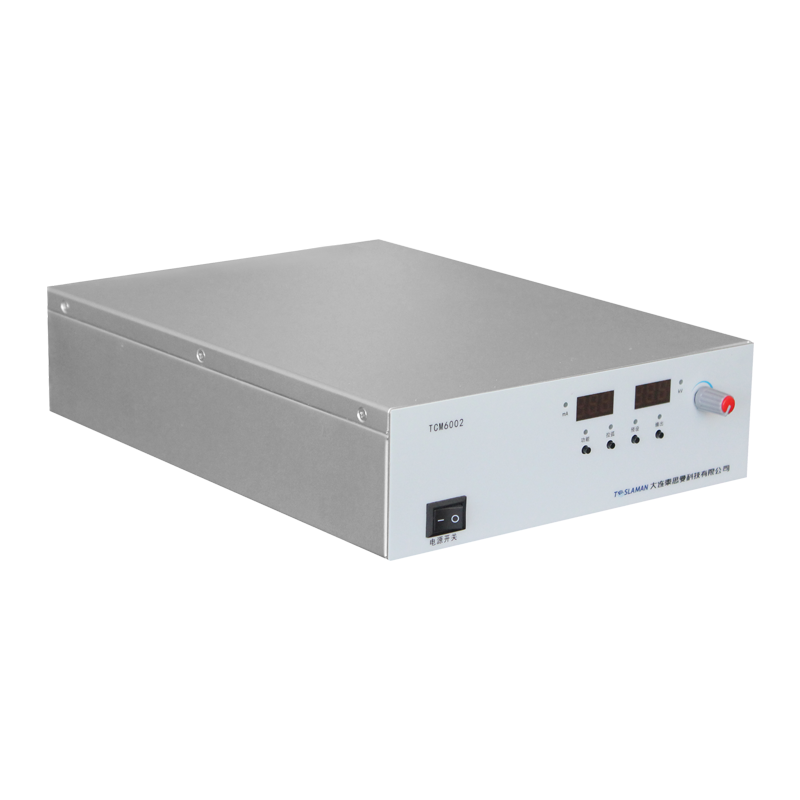
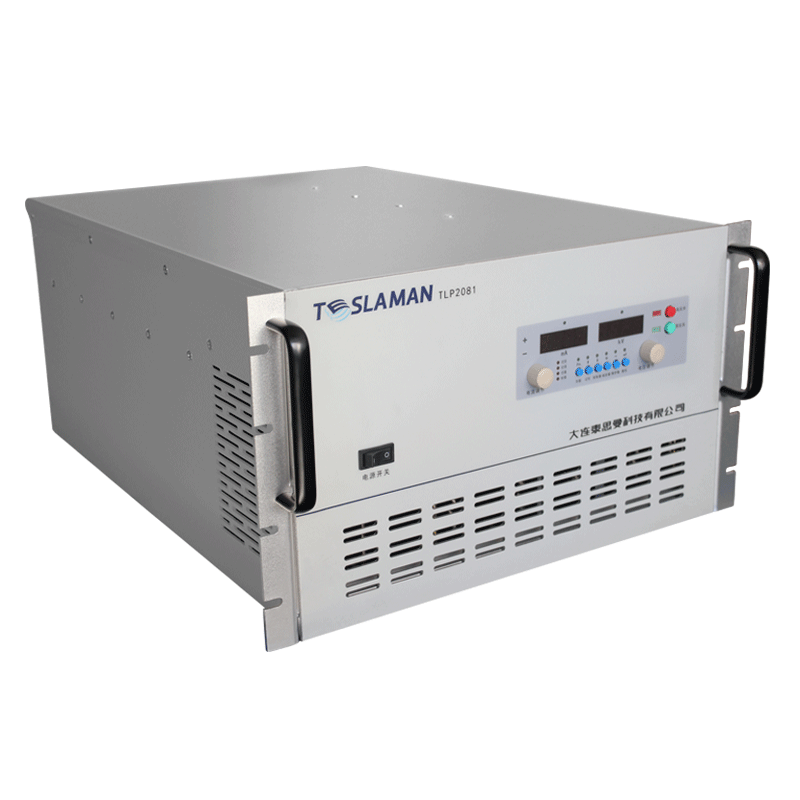
Electron beam additive manufacturing builds the metal components layer by layer with the electron beam melting of the powder, and the continuous production requires the reliable operation of the equipment. The high-voltage supply of the electron beam system provides the acceleration voltage and the beam control, and the failure of the supply interrupts the production. Intelligent predictive maintenance models use the operating data to forecast the failures before the failures occur, and the application of the models improves the availability of the production. The engineering work covers the data collection, the model development, and the maintenance integration.
The predictive maintenance approach monitors the condition of the equipment and predicts the remaining useful life of the components, and the maintenance is performed before the failure occurs. The approach differs from the scheduled maintenance, which performs the service at the fixed intervals regardless of the condition. The predictive model uses the sensor data and the operating history to estimate the degradation state, and the maintenance actions are planned from the predictions.
The high-voltage supply operates with the thermal and the electrical stress, and the stress accelerates the degradation of the power components. The temperature, the current, and the voltage measurements provide the data for the condition monitoring, and the trends in the data indicate the degradation. The cooling performance and the insulation state are also monitored, and the data is collected continuously during the production.
The data collection system records the operating parameters with the high resolution, and the data is stored for the analysis. The data quality is essential for the model accuracy, and the sensors are calibrated at the defined intervals. The data is associated with the maintenance events and the failure records, and the complete dataset supports the model development.
The predictive model is developed from the historical data, and the model relates the sensor measurements to the failure probability. The machine learning algorithms identify the patterns that precede the failures, and the model is validated on the data that was not used for the training. The model performance is measured by the detection accuracy and the false alarm rate.
The integration of the model with the maintenance system provides the recommendations for the maintenance actions, and the recommendations include the timing and the scope of the service. The maintenance planning considers the production schedule and the spare parts availability, and the actions are coordinated with the production. The effectiveness of the maintenance is evaluated from the failure statistics.
The continuous production of the additive manufacturing requires the high availability of the equipment, and the predictive maintenance reduces the unplanned downtime. The failures are detected in the early stage, and the maintenance is performed during the planned windows. The availability improvement increases the production capacity and the utilization of the equipment.
The safety of the operation is improved through the early detection of the faults, and the predictive model identifies the conditions that may lead to the hazardous events. The protective actions are taken before the escalation, and the risk of the damage is reduced. The safety monitoring is integrated with the maintenance system, and the alarms are reported to the operators.
The data from the operation provides the feedback for the continuous improvement of the model, and the model is updated with the new data and the failure events. The model accuracy improves over time as the data accumulates, and the maintenance recommendations become more reliable. The learning process is supported by the domain knowledge of the equipment.
The economic benefit of the predictive maintenance includes the reduction of the downtime and the maintenance cost, and the extended component life reduces the replacement cost. The production output is increased through the higher availability, and the return on the maintenance investment is positive. The benefit is quantified through the comparison with the scheduled maintenance approach.
The advancement of the additive manufacturing technology demands the higher reliability and the better productivity, and the development of the predictive maintenance follows the requirements of the production environment. The digitalization of the equipment and the data infrastructure support the implementation, and the cooperation with the equipment suppliers accelerates the deployment.
Application of the intelligent predictive maintenance models improves the reliability of the electron beam additive manufacturing high-voltage supplies, and the data-driven maintenance, the continuous monitoring, and the careful integration deliver the high availability for the continuous production. The continued development will enhance the prediction accuracy and support the growth of the technology.
The data infrastructure of the production facility supports the collection and the analysis of the equipment data, and the data is transmitted to the monitoring system through the industrial network. The storage and the processing of the data are managed according to the security requirements, and the access to the data is controlled. The data infrastructure is a prerequisite for the predictive maintenance implementation.
The cooperation between the equipment supplier and the production facility is essential for the successful deployment, and the supplier provides the model development support and the domain knowledge. The facility provides the operating data and the maintenance experience, and the collaboration improves the model accuracy. The deployment is phased to minimize the risk and the disruption.
The effectiveness of the predictive maintenance is measured through the key performance indicators such as the downtime reduction and the maintenance cost, and the indicators are tracked over the operation. The results are reviewed periodically, and the model and the maintenance strategy are adjusted accordingly. The continuous evaluation supports the improvement of the maintenance program.
The predictive maintenance program is integrated with the spare parts management and the service planning, and the predicted failures are matched with the available resources. The spare parts are stocked for the high-probability failures, and the service contracts provide the technical support. The integrated approach ensures the timely execution of the maintenance actions.
The model deployment includes the monitoring of the prediction performance and the handling of the model updates, and the performance is evaluated against the actual outcomes. The false alarms are analyzed to improve the model, and the missed failures are investigated to identify the missing indicators. The feedback loop ensures the continuous improvement of the predictions.