Composite Field Coupling of Electrospinning High-Voltage Supplies in Large-Scale Production of Air Filtration Nanofiber Membranes
Air filtration membranes made of the nanofibers provide the high-efficiency removal of the particles from the air, and the electrospinning process produces the nanofibers with the controlled diameter and the structure. The high-voltage supply of the electrospinning system drives the fiber formation, and the coupling of the electric field with the process conditions enables the large-scale production of the membranes. The engineering work covers the field control, the process scaling, and the quality assurance, and the requirements are defined by the filtration performance.
The electrospinning process charges the polymer solution at the spinneret, and the electric field draws the jet from the solution to form the nanofibers. The fiber diameter and the uniformity depend on the voltage and the solution properties, and the control of the field is essential for the consistent fiber quality. The filtration efficiency of the membrane depends on the fiber structure.
The composite field coupling combines the electrostatic field with the aerodynamic forces and the mechanical drawing, and the combined effects control the fiber orientation and the deposition pattern. The auxiliary air flow stretches the fiber and improves the alignment, and the temperature and the humidity of the environment affect the solvent evaporation. The coupled process provides the additional control of the fiber properties.
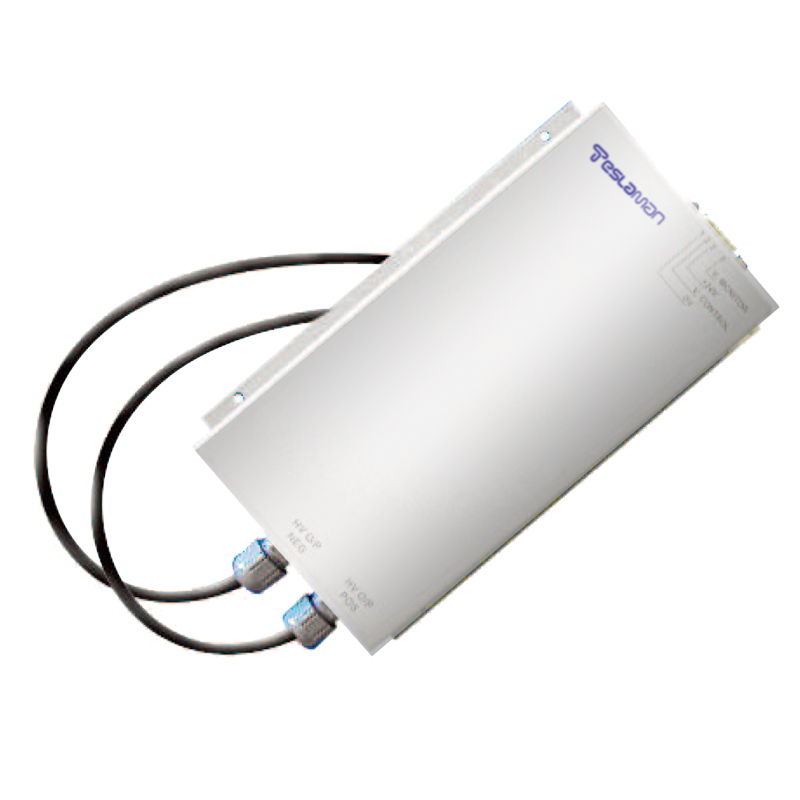
The large-scale production requires the multiple spinnerets arranged across the width of the membrane, and the voltage distribution across the spinnerets must be uniform. The supply provides the power for the spinneret array, and the individual control of the spinneret voltages compensates for the variations. The uniformity of the field across the production width determines the membrane consistency.
The deposition of the fibers on the collector forms the membrane with the controlled thickness and the porosity, and the collector movement and the field distribution affect the fiber layering. The process parameters are optimized for the filtration performance, and the membrane properties are characterized through the testing. The production process is controlled for the batch consistency.
The filtration efficiency of the membrane depends on the fiber diameter and the packing density, and the optimization of the process conditions achieves the target performance. The pressure drop of the membrane is balanced with the efficiency, and the design of the filtration media considers the application requirements. The process control maintains the performance across the production.
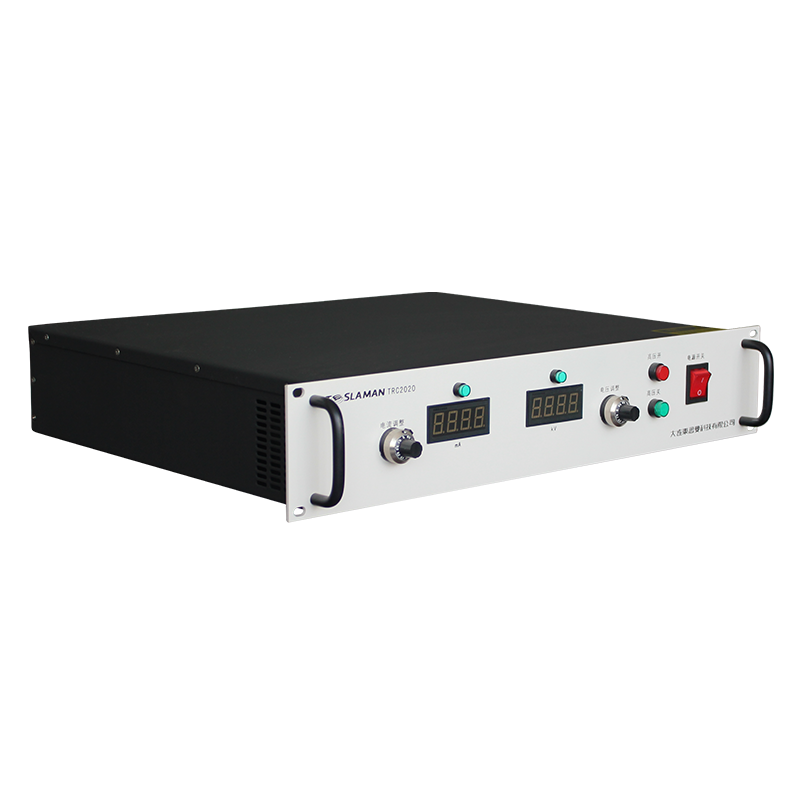
The automation of the production line includes the monitoring and the control of the electrospinning process, and the supply is integrated with the line control through the communication interface. The process parameters are set from the recipe, and the adjustments are made according to the measured conditions. The automation improves the reproducibility and the efficiency of the production.
The quality assurance of the membranes includes the measurement of the fiber diameter, the thickness, and the filtration efficiency, and the results are compared with the specification. The sampling plan and the testing methods are defined for the production control, and the quality data is recorded for the traceability. The quality system supports the certification of the products.
The applications of the air filtration membranes include the cleanrooms, the ventilation systems, and the personal protection, and the performance requirements vary with the application. The production process is adapted to the different membrane specifications, and the flexibility of the electrospinning process supports the product variety. The membranes are tested according to the filtration standards.
The economic production of the nanofiber membranes requires the high throughput and the low cost, and the process scaling and the automation reduce the production cost. The efficient use of the materials and the energy supports the economical operation, and the quality consistency reduces the rejects. The economic benefit is realized through the large-scale production.
The advancement of the filtration technology demands the higher efficiency and the lower pressure drop, and the development of the electrospinning process follows the requirements of the new filtration applications. The advanced materials and the process control support the production of the high-performance membranes, and the cooperation with the filtration manufacturers drives the innovation.
Composite field coupling of the electrospinning high-voltage supplies enables the large-scale production of the air filtration nanofiber membranes, and the precise field control, the process scaling, and the quality assurance deliver the consistent filtration performance. The continued development will extend the production capability and support the advancement of the filtration technology.
The energy consumption of the large-scale production is managed through the efficient process and the equipment design, and the power of the high-voltage supply is matched to the production demand. The energy monitoring provides the data for the optimization, and the process is operated for the efficient use of the resources. The energy efficiency contributes to the economical production.
The maintenance of the production equipment includes the cleaning of the spinnerets and the inspection of the high-voltage components, and the wear of the parts is monitored. The replacement of the worn components is scheduled according to the operating hours, and the downtime is minimized. The maintenance program supports the continuous production.
The scaling of the production to the higher capacity requires the development of the larger equipment and the more efficient process, and the supply power is increased accordingly. The design of the large-scale systems follows the validated principles, and the performance is verified through the production trials. The scaling supports the market growth of the filtration products.
The development of the new filtration materials expands the application of the nanofiber membranes, and the electrospinning process is adapted for the new polymer systems. The process development includes the characterization of the fiber properties and the optimization of the conditions, and the production is scaled after the validation. The innovation supports the advancement of the filtration technology.
The environmental performance of the production is improved through the efficient use of the materials and the energy, and the solvent recovery and the waste management reduce the environmental impact. The sustainable production supports the market acceptance of the filtration products, and the environmental responsibility is integrated into the operation. The benefits are realized across the product life cycle.
The performance verification of the produced membranes includes the measurement of the filtration efficiency and the air permeability, and the results are compared with the product specification. The production consistency is confirmed through the statistical analysis of the batch data, and the process capability is assessed. The verification supports the release of the products for the market.