Independent Control of Electrostatic Chuck High-Voltage Supplies in Plasma-Enhanced Chemical Vapor Deposition Chambers
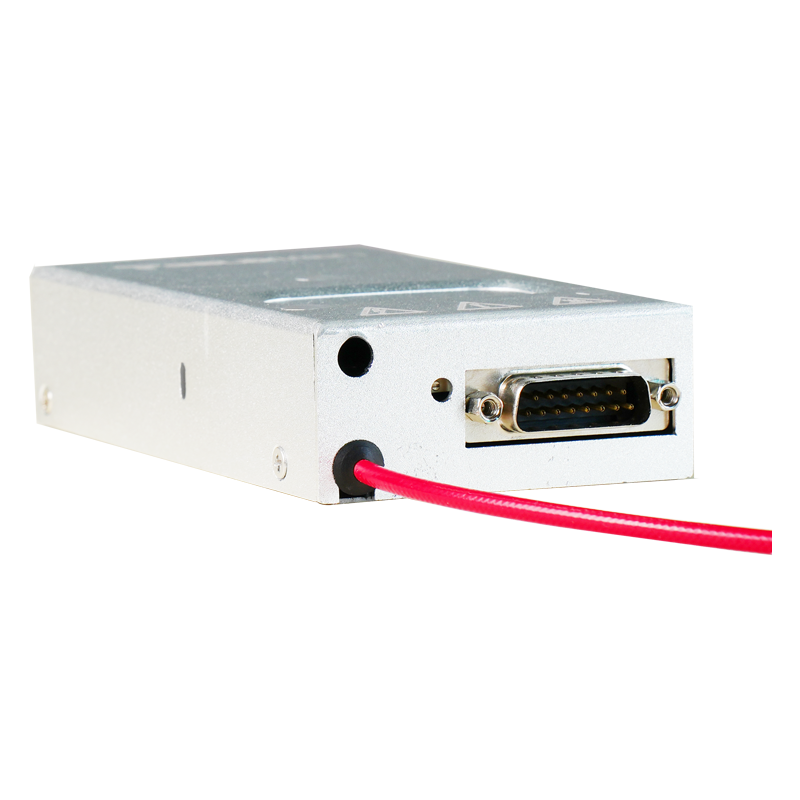
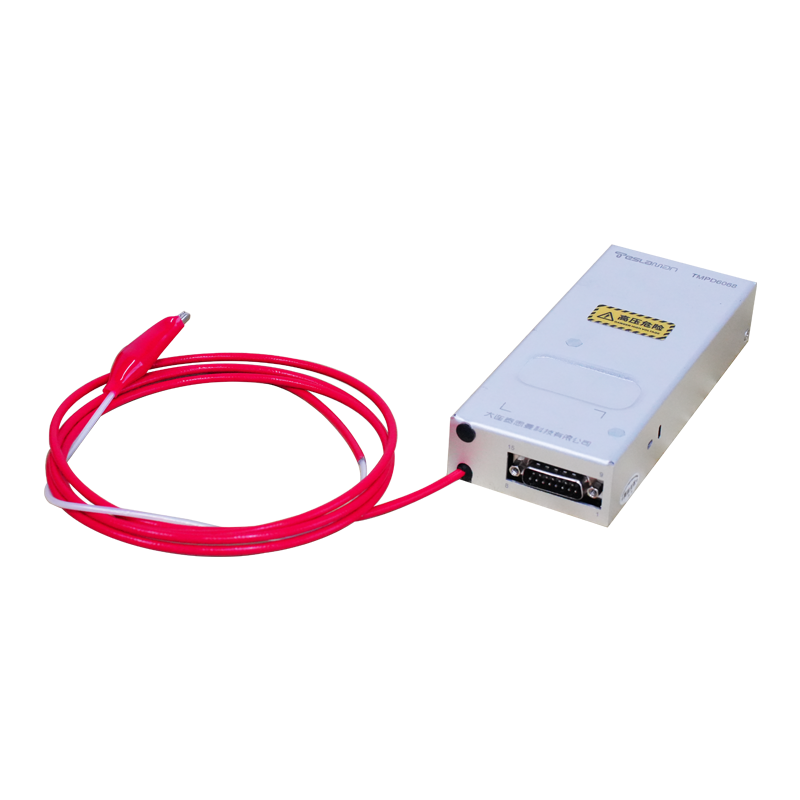
Plasma-enhanced chemical vapor deposition deposits the thin films on the substrates in the plasma environment, and the electrostatic chuck holds the substrate at the controlled temperature during the deposition. The high-voltage supply of the electrostatic chuck provides the clamping voltage, and the independent control of the chuck functions supports the precise processing. The engineering work covers the chuck control, the temperature management, and the process integration, and the requirements are defined by the deposition applications.
The electrostatic chuck uses the electrostatic force to hold the substrate, and the force is generated by the voltage applied to the chuck electrodes. The clamping force must be sufficient to hold the substrate against the process forces, and the voltage is regulated for the consistent clamping. The release of the substrate is controlled at the end of the process.
The plasma environment contains the charged species and the reactive gases, and the chuck is exposed to the plasma during the deposition. The chuck materials and the electrodes are designed for the compatibility with the plasma, and the high-voltage components are protected from the plasma damage. The independent control allows the adjustment of the chucking voltage for the process conditions.
The temperature of the substrate during the deposition is controlled through the heat transfer between the substrate and the chuck, and the backside gas improves the thermal coupling. The temperature uniformity is maintained across the substrate, and the deposition uniformity depends on the temperature control. The chuck cooling and the heating are managed for the process requirements.
The independent control of the chuck provides the separate regulation of the clamping voltage and the temperature functions, and the control interfaces with the process tool. The chucking parameters are set from the process recipe, and the status is monitored during the deposition. The independent control supports the flexible process operation.
The deposition process involves the multiple steps with the different conditions, and the chucking force may be adjusted between the steps. The response of the chuck control to the process changes is verified, and the transition between the conditions is managed to avoid the substrate movement. The coordinated control supports the stable deposition.
The high-voltage supply of the chuck provides the clamping voltage with the low ripple and the stable output, and the output quality affects the clamping performance. The supply is designed for the continuous operation in the deposition environment, and the protection functions respond to the abnormal conditions. The reliability of the supply supports the production operation.
The monitoring of the chuck includes the measurement of the current and the temperature, and the monitoring data indicates the clamping state and the thermal condition. The diagnostics identify the potential problems, and the maintenance is scheduled accordingly. The monitoring supports the reliable operation of the deposition tool.
The verification of the chuck system includes the measurement of the clamping force and the temperature uniformity, and the results are compared with the specification. The response of the independent control is tested, and the integration with the process tool is verified. The verification supports the qualification of the system.
The deposition of the thin films is used in the semiconductor manufacturing, the display production, and the optical coatings, and the chuck performance affects the quality of the deposited films. The independent control of the chuck supports the precise processing, and the technology contributes to the manufacturing capability.
The advancement of the deposition technology demands the better temperature control and the higher uniformity, and the chuck system follows the requirements of the new processes. The improved control and the advanced materials enhance the performance, and the cooperation with the equipment manufacturers drives the innovation.
Independent control of the electrostatic chuck high-voltage supplies enables the precise substrate handling in the plasma-enhanced chemical vapor deposition, and the careful clamping control, the temperature management, and the process integration deliver the required deposition performance. The continued development will support the advancement of the thin film deposition technology.
The monitoring of the plasma and the process conditions provides the data for the deposition control, and the chuck parameters are adjusted according to the measured conditions. The process data is recorded for the analysis, and the feedback improves the process stability. The monitoring supports the optimization of the deposition process.
The maintenance of the deposition tool includes the cleaning of the chamber and the inspection of the chuck, and the condition of the components affects the process performance. The replacement of the worn parts is scheduled according to the operating hours, and the process is requalified after the maintenance. The maintenance program supports the production operation.
The safety of the deposition tool includes the interlocks for the high voltage and the process gases, and the safety functions are verified through the testing. The handling of the reactive gases follows the safety procedures, and the training of the operators covers the safe operation. The safety management supports the reliable production.
The economic assessment of the deposition process considers the throughput, the yield, and the operating cost, and the chuck performance affects the yield through the temperature and the uniformity. The improved chucking reduces the defects and the rework, and the process optimization improves the economics. The assessment supports the investment decisions.
The training of the process engineers covers the operation of the chuck system and the handling of the process variations, and the understanding of the chucking physics supports the process development. The collaboration between the equipment and the process teams improves the integration, and the knowledge sharing supports the continuous improvement. The training supports the production capability.
The integration of the chuck system with the deposition tool is verified through the joint testing, and the interaction between the chucking and the deposition functions is characterized. The complete process is evaluated with the test wafers, and the results confirm the performance of the integrated system. The joint verification supports the production readiness.
The environmental performance of the deposition tool is improved through the efficient use of the energy and the gases, and the process optimization reduces the consumption per deposited film. The abatement of the exhaust gases follows the environmental regulations, and the operation is monitored for the compliance. The environmental management supports the sustainable manufacturing.