Rack-Mount High-Voltage Supply Remote Diagnostic System in Distributed High-Voltage Test Networks
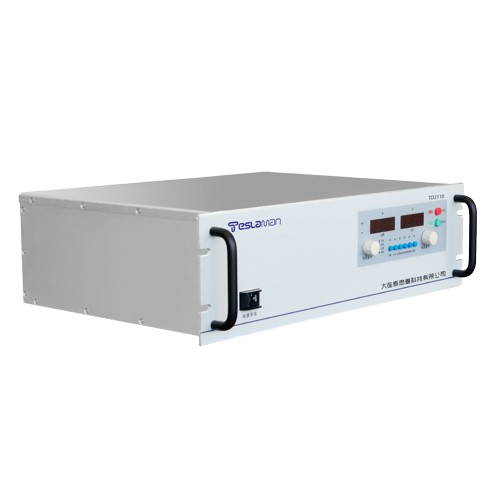
Distributed high-voltage test networks connect the test equipment across the facilities for the coordinated testing and the data sharing, and the rack-mount high-voltage supplies provide the test voltages at the distributed stations. The remote diagnostic system of the supplies monitors the operating state and identifies the faults from the central location, and the remote diagnostics reduce the need for the on-site service. The engineering work covers the diagnostic functions, the communication infrastructure, and the operational integration.
The test networks are used for the verification of the high-voltage equipment and the materials, and the test stations operate with the defined test programs. The rack-mount supplies provide the stable voltages for the tests, and the condition of the supplies affects the validity of the results. The remote monitoring of the supply state supports the quality assurance of the testing.
The diagnostic system collects the operating data from the supplies, including the output voltage, the current, the temperature, and the protection events, and the data is transmitted to the central monitoring station. The analysis of the data identifies the abnormal conditions and the degradation trends, and the diagnostics provide the early warning of the potential failures. The remote capability reduces the response time to the problems.
The communication infrastructure of the diagnostic system connects the supplies to the monitoring network, and the communication protocols are designed for the reliable data transfer. The network security protects the diagnostic data and the control commands, and the access is controlled for the authorized personnel. The infrastructure supports the real-time monitoring of the distributed stations.
The diagnostic algorithms analyze the operating patterns and compare the measured values with the expected ranges, and the deviations are classified according to the severity. The fault diagnostics identify the likely causes of the abnormal conditions, and the recommendations guide the maintenance actions. The diagnostic accuracy improves with the accumulated data.
The remote control functions of the diagnostic system allow the adjustment of the parameters and the reset of the protections from the central station, and the control is performed with the safety permissions. The remote intervention reduces the downtime of the test stations, and the operations are logged for the audit. The control capability is coordinated with the local procedures.
The reliability of the diagnostic system is essential for the continuous monitoring, and the monitoring infrastructure is designed with the redundancy. The failure of the communication link is detected and reported, and the supplies continue the operation in the local mode. The availability of the monitoring is verified through the periodic testing.
The integration of the diagnostic system with the test network management provides the comprehensive view of the testing operations, and the data from the supplies is combined with the test results. The analysis of the combined data supports the optimization of the testing, and the maintenance planning is based on the condition data. The integration enhances the efficiency of the test network.
The verification of the diagnostic system includes the testing of the data acquisition, the communication, and the alarm functions, and the results are compared with the specification. The fault scenarios are simulated for the validation of the diagnostics, and the response times are measured. The verification supports the deployment of the system.
The distributed test networks are used in the equipment manufacturing, the utility testing, and the calibration services, and the reliable operation of the supplies supports the testing schedules. The remote diagnostics reduce the maintenance cost and the downtime, and the technology contributes to the efficiency of the testing operations.
The advancement of the test network technology demands the better monitoring and the higher automation, and the diagnostic system follows the requirements of the new networks. The improved sensors and the data analytics enhance the diagnostic capability, and the integration with the network management improves the operation. The cooperation with the test equipment manufacturers drives the innovation.
Rack-mount high-voltage supply remote diagnostic systems enable the efficient operation of the distributed high-voltage test networks, and the comprehensive monitoring, the reliable communication, and the intelligent diagnostics deliver the required availability. The continued development will enhance the diagnostics and support the advancement of the test network technology.
The condition monitoring of the supplies includes the tracking of the operating hours and the component temperatures, and the data is used for the maintenance planning. The predictive maintenance identifies the components that require the attention, and the service is scheduled to minimize the impact on the testing. The monitoring supports the long-term reliability of the test network.
The training of the network operators covers the use of the diagnostic system and the interpretation of the monitoring data, and the procedures for the remote control are included in the training. The operators are qualified for the handling of the diagnostic functions, and the technical support provides the assistance for the complex issues. The training supports the effective operation of the network.
The economic assessment of the diagnostic system considers the reduction of the service visits and the downtime, and the remote diagnostics lower the operating cost of the test network. The early detection of the problems reduces the damage and the repair cost, and the investment is justified by the availability improvement. The assessment supports the deployment decisions.
The documentation of the diagnostic system includes the system description, the operating procedures, and the maintenance instructions, and the documentation supports the operation and the training. The version control ensures the traceability of the changes, and the reviews confirm the completeness. The documentation supports the long-term use of the system.
The advancement of the distributed testing technology expands the scale and the complexity of the test networks, and the diagnostic system must follow the development of the networks. The improved data analytics and the machine learning provide the better fault prediction, and the integration with the cloud services enhances the monitoring capability. The cooperation with the network operators drives the development.
The verification of the complete diagnostic network includes the testing of the data flow from the supplies to the monitoring station, and the integration with the existing test management is confirmed. The performance under the normal and the fault conditions is evaluated, and the results support the acceptance. The system verification completes the deployment of the diagnostic capability.