Deployment of Plastic Sorting High-Voltage Supplies in Adaptive Electrostatic Fields of Intelligent Recycling Robots
Intelligent recycling robots sort the waste materials for the recycling, and the sorting systems use the sensors and the robotic mechanisms for the material identification and the separation. The electrostatic sorting supplements the sensor-based sorting for the materials with the similar optical properties, and the high-voltage supply provides the electrostatic field for the separation. The deployment of the supplies in the adaptive fields of the robots supports the sorting efficiency, and the engineering work covers the field adaptation, the robotic integration, and the verification.
The recycling robots identify the materials through the vision and the spectral sensors, and the identified items are separated by the robotic grippers and the sorting mechanisms. The electrostatic separation charges the materials and deflects the charged items in the electric field, and the field is adapted to the material types. The combination of the sorting methods improves the separation accuracy.
The adaptive electrostatic field adjusts the voltage and the electrode configuration according to the detected material properties, and the adaptation is controlled by the sorting system. The field strength and the polarity are selected for the material characteristics, and the separation is optimized for the mixed waste stream. The adaptive control supports the flexible sorting.
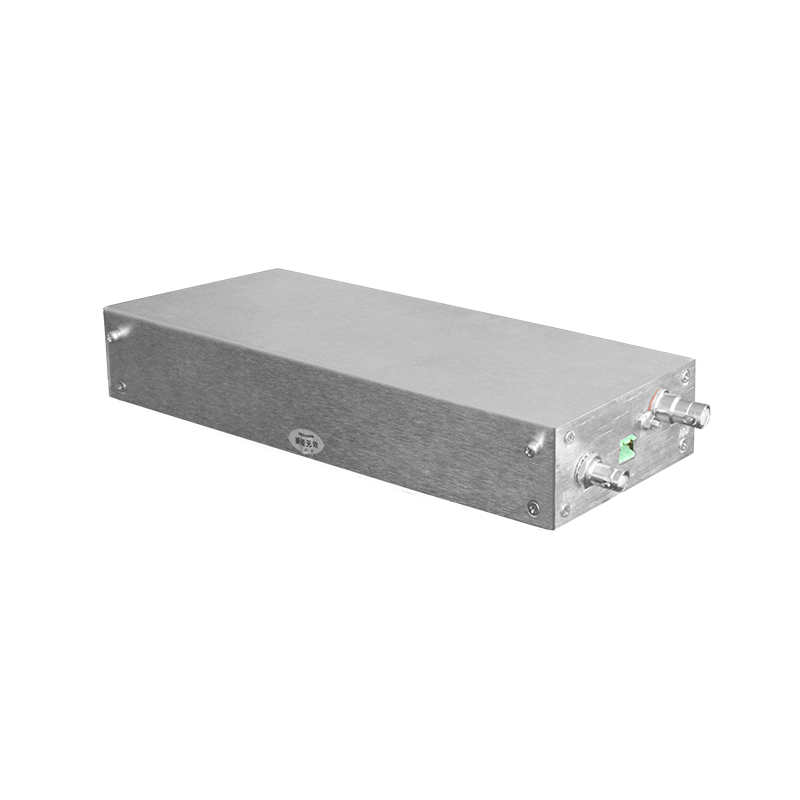
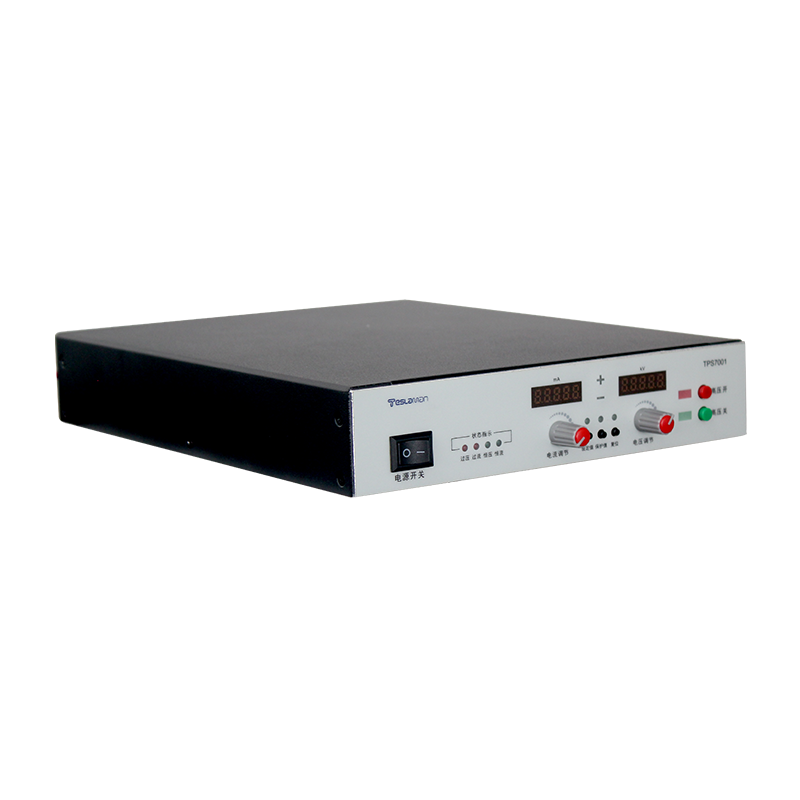
The high-voltage supply of the sorting system provides the voltage for the electrostatic electrodes, and the supply output is controlled by the sorting controller. The response of the supply to the control commands supports the rapid adaptation, and the protection functions ensure the safe operation. The supply is designed for the industrial recycling environment.
The robotic mechanisms handle the separated items, and the electrostatic separation is coordinated with the robotic sorting. The timing of the field application and the item handling is synchronized, and the process is optimized for the throughput. The integration of the electrostatic and the robotic sorting improves the overall efficiency.
The waste stream contains the mixed materials with the varying sizes and the shapes, and the sorting process must handle the variations. The adaptive field adjusts for the material properties, and the process parameters are optimized for the stream composition. The robustness of the sorting is verified for the real waste conditions.
The environment of the recycling facility includes the dust and the humidity, and the conditions affect the charging and the sorting performance. The equipment is designed for the harsh environment, and the maintenance includes the cleaning of the electrodes. The environmental adaptation supports the reliable operation.
The verification of the sorting system includes the evaluation of the separation purity and the recovery rate, and the results are compared with the specification. The performance for the different material types is measured, and the adaptive control is optimized. The verification supports the deployment of the sorting system.
The recycling of the plastic waste reduces the environmental impact and conserves the resources, and the efficient sorting improves the value of the recycled materials. The intelligent recycling robots support the automation of the sorting, and the technology contributes to the circular economy.
The advancement of the recycling technology demands the higher sorting efficiency and the lower cost, and the sorting systems follow the requirements of the new facilities. The improved sensors and the control enhance the capability, and the cooperation with the recycling operators drives the innovation.
Deployment of the plastic sorting high-voltage supplies in the adaptive electrostatic fields enables the efficient intelligent recycling, and the careful field adaptation, the robotic integration, and the verification deliver the required sorting performance. The continued development will support the advancement of the automated recycling technology.
The maintenance of the sorting equipment includes the cleaning of the sensors and the electrodes, and the contamination affects the detection and the sorting performance. The replacement of the worn components is scheduled, and the equipment is requalified after the maintenance. The maintenance program supports the continuous operation of the sorting facility.
The training of the operators covers the operation of the recycling robots and the handling of the sorting data, and the safety procedures are included in the training. The understanding of the electrostatic sorting supports the process optimization, and the collaboration between the equipment and the operations teams improves the integration.
The economic assessment of the recycling facility considers the throughput, the recovery rate, and the value of the recycled materials, and the efficient sorting improves the economics of the recycling. The reduced contamination increases the material value, and the automation reduces the labor cost. The assessment supports the facility planning.
The evaluation of the sorting performance includes the measurement of the separation purity for the different material types, and the results are compared with the specifications. The correlation between the field conditions and the sorting outcomes is analyzed, and the process is refined. The evaluation supports the qualification of the sorting system.
The documentation of the sorting process includes the operating parameters, the maintenance records, and the performance data, and the documentation supports the reproducibility and the traceability of the sorting. The reviews of the process data support the improvement, and the documentation is maintained according to the quality system. The documentation supports the operation control.
The collaboration between the equipment suppliers and the recycling operators supports the optimization of the sorting processes, and the exchange of the experience contributes to the refinement of the adaptive control. The requirements of the new waste streams guide the development, and the equipment is adapted accordingly. The collaboration drives the advancement of the recycling technology.
The continuous improvement of the sorting process is supported by the data analysis and the field validation, and the process changes are implemented after the verification. The performance targets are reviewed periodically, and the improvements are documented. The continuous improvement maintains the effectiveness of the recycling operation.
The sorting system is qualified for the operational use through the comprehensive verification, and the long-term data from the operation confirms the reliability. The performance is maintained over the operating life through the maintenance, and the operational support provides the assistance. The qualification supports the dependable operation of the recycling facility.
The scaling of the recycling operation to the larger volumes requires the deployment of the additional sorting units, and the performance of the units is verified for the consistent operation. The data from the multiple units is aggregated for the analysis, and the process is optimized for the facility scale. The scaling supports the growth of the recycling business.