Stable High-Voltage Output of Mass Spectrometer High-Voltage Supplies in Trace Pollutant Analysis of Petrochemical Industry
The petrochemical industry monitors the trace pollutants in the process streams and the products, and the mass spectrometry provides the analytical capability for the complex mixtures. The high-voltage supply of the mass spectrometer controls the ionization and the ion analysis, and the stable output is essential for the trace analysis. The engineering work covers the voltage stability, the analysis reliability, and the verification, and the requirements are defined by the petrochemical monitoring.
The trace pollutant analysis detects the organic and the inorganic compounds at the low concentrations, and the detection sensitivity depends on the performance of the mass spectrometer. The ionization efficiency and the ion transmission affect the signal strength, and the stability of the high voltages supports the reliable detection. The trace analysis requires the consistent instrument operation.
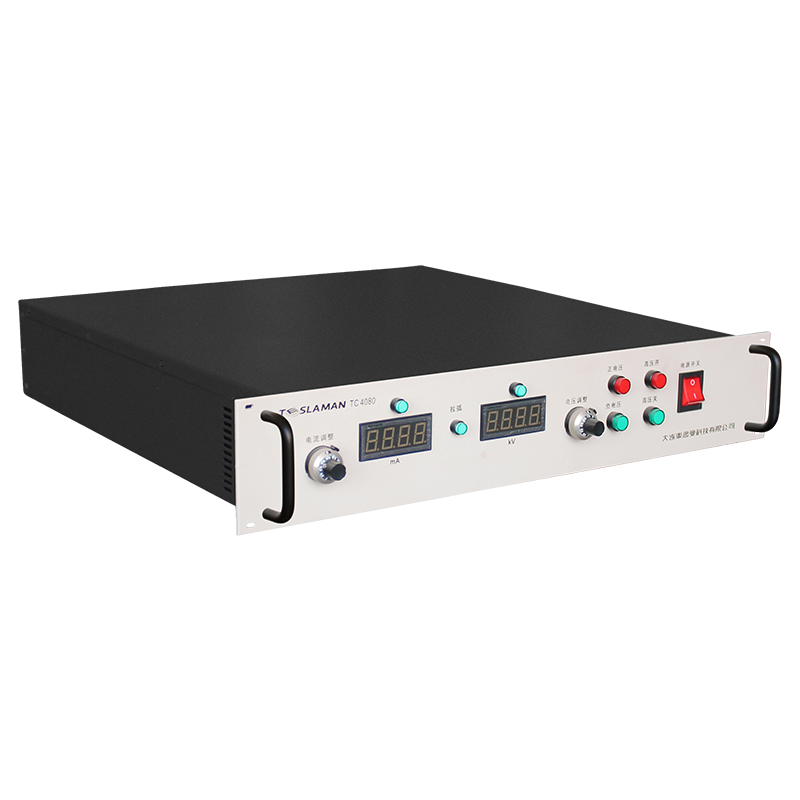
The mass spectrometer ionizes the sample molecules and analyzes the ions according to the mass-to-charge ratio, and the high-voltage supply provides the voltages for the ion source and the mass analyzer. The precision and the stability of the voltages affect the mass accuracy and the resolution, and the drift of the output changes the analysis results. The stable supply is essential for the reliable analysis.
The petrochemical samples contain the complex mixtures with the wide concentration range, and the analysis must resolve the trace compounds in the presence of the abundant species. The ionization and the detection are optimized for the trace analysis, and the instrument settings are calibrated for the sample types. The analytical performance is maintained over the long operation.
The continuous monitoring of the process streams requires the long-term stability of the instrument, and the high-voltage outputs are maintained over the extended operation. The calibration is performed at the defined intervals, and the drift is corrected. The long-term stability supports the continuous monitoring applications.
The environment of the petrochemical facility includes the temperature variations and the vibration, and the instrument is designed for the industrial conditions. The temperature control of the instrument and the supply supports the stability, and the protection against the environmental influences is implemented. The robust design supports the field operation.
The data processing of the mass spectra includes the identification and the quantification of the compounds, and the quality of the data depends on the instrument performance. The calibration curves are established for the quantification, and the results are compared with the reference methods. The data quality supports the monitoring decisions.
The verification of the supply includes the measurement of the voltage stability and the drift over the operating time, and the results are compared with the specification. The instrument performance is evaluated with the reference samples, and the detection limits are confirmed. The verification supports the qualification of the instrument.
The trace pollutant monitoring supports the environmental compliance and the product quality of the petrochemical industry, and the reliable analysis provides the data for the process control. The stable supply supports the continuous monitoring, and the technology contributes to the environmental protection.
The advancement of the analytical technology demands the higher sensitivity and the better stability, and the instrument design follows the requirements of the new applications. The improved components and the digital control enhance the capability, and the cooperation with the instrument manufacturers drives the innovation.
Stable high-voltage output of the mass spectrometer high-voltage supplies enables the reliable trace pollutant analysis in the petrochemical industry, and the precise regulation, the long-term stability, and the verification deliver the required analytical performance. The continued development will support the advancement of the trace analysis technology.
The maintenance of the mass spectrometer includes the service of the ion source and the verification of the high-voltage sections, and the contamination affects the instrument performance. The replacement of the consumables is scheduled, and the instrument is requalified after the maintenance. The maintenance program supports the continuous monitoring.
The training of the analysts covers the operation of the instrument and the interpretation of the mass spectra, and the quality control procedures are included in the training. The understanding of the analysis supports the reliable results, and the collaboration between the laboratory and the operations teams improves the monitoring.
The economic assessment of the monitoring program considers the instrument cost, the analysis throughput, and the value of the monitoring data, and the reliable analysis supports the compliance and the process control. The efficient operation reduces the analysis cost, and the data quality supports the decisions. The assessment supports the investment planning.
The evaluation of the analytical performance includes the determination of the detection limits and the measurement uncertainty, and the results are compared with the requirements. The correlation between the instrument conditions and the analysis outcomes is analyzed, and the methods are refined. The evaluation supports the qualification of the monitoring program.
The documentation of the monitoring program includes the analysis methods, the calibration records, and the monitoring data, and the documentation supports the reproducibility and the traceability of the analyses. The reviews of the data support the improvement, and the documentation is maintained according to the quality system. The documentation supports the regulatory compliance.
The collaboration between the instrument suppliers and the petrochemical laboratories supports the optimization of the monitoring methods, and the exchange of the experience contributes to the refinement of the analysis procedures. The requirements of the new monitoring applications guide the development, and the instruments are adapted accordingly. The collaboration drives the advancement of the trace analysis.
The continuous improvement of the monitoring program is supported by the data analysis and the method validation, and the method changes are implemented after the verification. The performance targets are reviewed periodically, and the improvements are documented. The continuous improvement maintains the reliability of the monitoring program.
The instrument is qualified for the monitoring use through the comprehensive verification, and the long-term data from the monitoring confirms the reliability. The performance is maintained over the operating life through the calibration and the maintenance, and the laboratory support provides the assistance. The qualification supports the dependable operation of the monitoring program.
The scaling of the monitoring program to the additional sites requires the deployment of the additional instruments, and the performance of the instruments is verified for the consistent analysis. The data from the multiple sites is aggregated for the evaluation, and the methods are harmonized. The scaling supports the comprehensive monitoring of the operations.