Voltage of Capillary Electrophoresis High-Voltage Supplies in Fingerprint Separation of Complex Components of Traditional Chinese Medicines
The quality control of the traditional Chinese medicines requires the comprehensive analysis of the complex components, and the fingerprint analysis provides the characteristic profile of the chemical constituents. The capillary electrophoresis separates the components for the fingerprint analysis, and the high-voltage supply of the system provides the separation field. The voltage control of the supply affects the separation performance, and the engineering work covers the voltage control, the method optimization, and the verification.
The traditional Chinese medicines contain the complex mixtures of the active components, and the fingerprint analysis characterizes the composition for the quality evaluation. The capillary electrophoresis separates the charged components under the electric field, and the separation resolution depends on the voltage and the buffer conditions. The reproducible separation supports the fingerprint analysis.
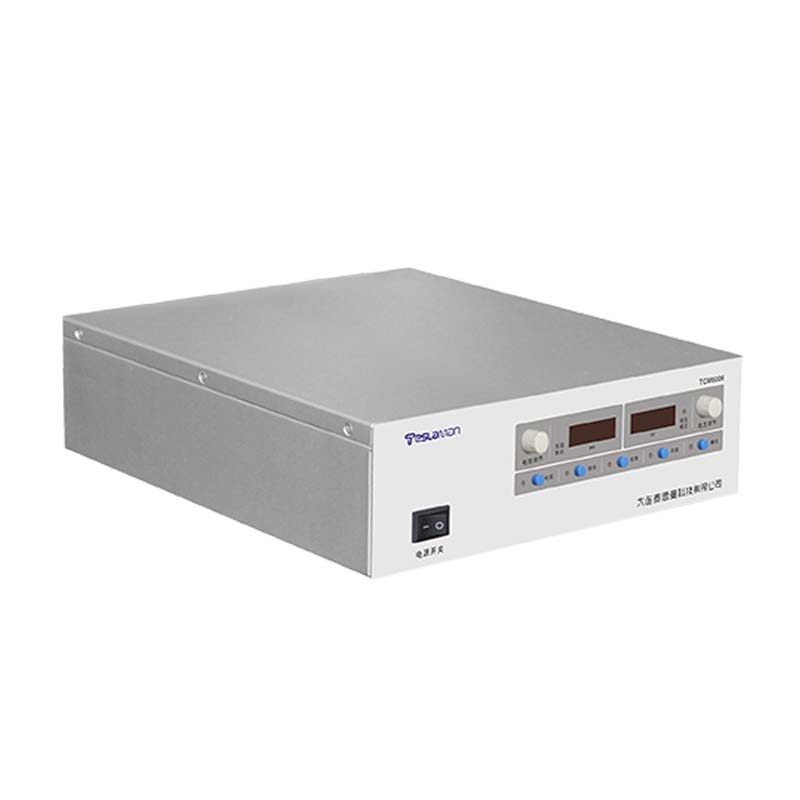
The high-voltage supply of the capillary electrophoresis system provides the separation voltage across the capillary, and the voltage stability affects the migration time and the peak resolution. The polarity switching capability of the supply supports the separation of the components with the different charge characteristics, and the voltage control is implemented for the precise separation. The supply performance supports the method development.
The fingerprint method development involves the optimization of the separation conditions such as the buffer composition and the voltage program, and the method is validated for the reproducibility and the specificity. The reference fingerprints are established with the standard materials, and the similarity evaluation is used for the quality comparison. The method development supports the routine analysis.
The analysis of the complex medicine samples requires the effective separation of the components in the wide concentration range, and the separation conditions are optimized for the resolution. The sample preparation and the injection are controlled for the reproducibility, and the detection is optimized for the sensitivity. The analytical performance supports the component analysis.
The verification of the method includes the evaluation of the precision, the accuracy, and the linearity, and the results are compared with the requirements. The long-term stability of the separation is assessed, and the method is qualified for the routine use. The verification supports the reliability of the fingerprint analysis.
The quality control of the traditional Chinese medicines is important for the safety and the efficacy of the products, and the fingerprint analysis provides the comprehensive quality evaluation. The reliable capillary electrophoresis supports the quality control, and the technology contributes to the standardization of the traditional medicines.
The advancement of the analytical technology demands the higher resolution and the better reproducibility, and the separation systems follow the requirements of the new applications. The improved high-voltage control and the automation enhance the capability, and the cooperation with the pharmaceutical industry drives the innovation.
Voltage of the capillary electrophoresis high-voltage supplies enables the fingerprint separation of the complex components of the traditional Chinese medicines, and the precise voltage control, the careful method optimization, and the verification deliver the required analytical performance. The continued development will support the advancement of the quality control of the traditional medicines.
The maintenance of the capillary electrophoresis system includes the cleaning of the capillary and the verification of the high-voltage sections, and the contamination affects the separation performance. The replacement of the buffer and the capillary is scheduled, and the system is requalified after the maintenance. The maintenance program supports the consistent analysis.
The training of the analysts covers the operation of the separation system and the interpretation of the electropherograms, and the method development procedures are included in the training. The understanding of the separation supports the quality control, and the technical support provides the assistance. The training supports the reliable analysis.
The economic assessment of the fingerprint analysis considers the analysis throughput, the consumables, and the instrument cost, and the efficient separation reduces the analysis time and the operating cost. The reliable quality control reduces the product risk, and the investment is justified by the quality benefit. The assessment supports the laboratory planning.
The documentation of the fingerprint analysis includes the method validation records, the reference fingerprints, and the quality data, and the documentation supports the traceability and the reproducibility of the analysis. The reviews of the data support the improvement, and the documentation is maintained according to the quality system. The documentation supports the quality control.
The verification of the complete analysis method includes the evaluation of the reproducibility over the long operation, and the consistency of the fingerprints is confirmed. The method is qualified for the routine use, and the periodic checks confirm the continued performance. The verification supports the reliability of the analysis.
The collaboration between the instrument suppliers and the pharmaceutical laboratories supports the development of the fingerprint methods, and the exchange of the experience contributes to the refinement of the separation conditions. The requirements of the quality control guide the development, and the systems are adapted accordingly. The collaboration drives the advancement of the traditional medicine analysis.
The comparison of the capillary electrophoresis with the chromatographic methods provides the perspective on the separation performance and the operating cost, and the evaluation supports the selection for the specific applications. The requirements of the analysis determine the suitable method, and the economics are considered. The evaluation supports the informed decision-making.
The scaling of the quality control to the larger sample volumes requires the deployment of the additional instruments, and the performance of the instruments is verified for the consistent analysis. The data from the instruments is aggregated for the evaluation, and the methods are harmonized. The scaling supports the comprehensive quality control.
The continuous improvement of the method is supported by the data analysis and the method validation, and the improvements are implemented after the verification. The performance targets are reviewed periodically, and the documentation is updated. The continuous improvement maintains the reliability of the analysis.
The reliability of the separation over the long operation is supported by the periodic verification and the maintenance of the capillary, and the method is reviewed for the continued suitability. The sample and the buffer handling are standardized for the consistency, and the deviations are corrected through the quality control. The reliability management supports the sustained quality of the fingerprint analysis.