Deployment of Standard Rack-Mounted High-Voltage Supplies in High-Voltage Reliability Testing of 5G Communication Equipment
The 5G communication equipment operates with the high-power radio frequency circuits and the complex power architectures, and the reliability of the equipment under the high-voltage conditions requires the rigorous testing. The high-voltage reliability testing evaluates the insulation and the surge immunity of the equipment, and the standard rack-mounted high-voltage supplies provide the test voltages. The deployment of the supplies supports the testing, and the engineering work covers the test integration, the safety design, and the verification.
The 5G communication infrastructure includes the base stations and the network equipment, and the reliable operation of the equipment is essential for the communication services. The high-voltage testing verifies the insulation and the protection of the equipment against the electrical stress, and the test systems deliver the controlled voltages. The deployment supports the reliability evaluation.
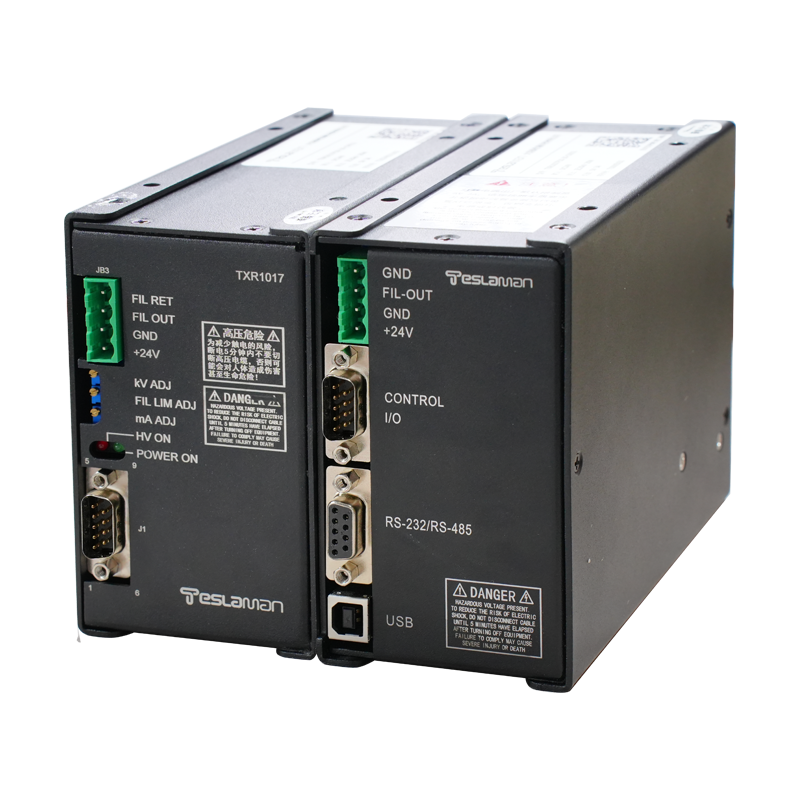
The standard rack-mounted high-voltage supplies provide the stable test voltages for the reliability testing, and the modular design supports the integration into the test racks. The output control and the monitoring support the test procedures, and the safety interlocks protect the operators. The supply performance supports the testing accuracy.
The reliability testing includes the insulation resistance measurement, the dielectric withstand tests, and the surge immunity tests, and the test voltages are applied according to the standards. The test sequences are controlled for the reproducibility, and the results are recorded for the analysis. The test integration supports the standard compliance.
The safety of the high-voltage testing requires the enclosure interlocking and the discharge management, and the test system is designed for the operator protection. The remote control supports the automated testing, and the emergency stop provides the rapid shutdown. The safety design supports the test operations.
The testing of the 5G equipment evaluates the reliability under the electrical stress, and the test data supports the improvement of the equipment design. The failures are analyzed for the root causes, and the corrective actions are implemented. The data analysis supports the equipment reliability.
The verification of the test system includes the calibration of the voltage outputs and the evaluation of the test reproducibility, and the results are compared with the standard requirements. The safety functions are verified, and the system is qualified for the testing use. The verification supports the reliable testing.
The 5G communication technology supports the high-speed data services, and the reliable equipment is essential for the network operation. The high-voltage testing supports the equipment quality, and the deployment of the supplies contributes to the testing capability.
The advancement of the communication technology demands the higher reliability and the better performance, and the testing requirements follow the evolution of the equipment. The improved test systems and the automation enhance the capability, and the cooperation with the communication industry drives the innovation.
Deployment of the standard rack-mounted high-voltage supplies enables the high-voltage reliability testing of the 5G communication equipment, and the careful test integration, the safety design, and the verification deliver the required testing performance. The continued development will support the advancement of the communication equipment testing.
The maintenance of the test system includes the calibration of the voltage outputs and the inspection of the safety interlocks, and the condition of the components affects the test accuracy. The scheduled maintenance supports the reliable testing, and the system is requalified after the maintenance. The maintenance program supports the test continuity.
The training of the test engineers covers the operation of the test system and the handling of the high-voltage testing procedures, and the safety requirements are included in the training. The understanding of the reliability testing supports the test development, and the technical support provides the assistance. The training supports the reliable operation.
The economic assessment of the test system considers the test capacity, the equipment cost, and the value of the reliability data, and the efficient testing reduces the test cycle time. The reliable testing supports the product quality, and the investment is justified by the quality benefit. The assessment supports the test facility planning.
The documentation of the testing includes the test procedures, the calibration records, and the test results, and the documentation supports the traceability and the compliance. The reviews of the data support the improvement, and the documentation is maintained according to the quality system. The documentation supports the standard compliance.
The verification of the complete test system includes the evaluation of the test accuracy and the safety performance over the operation, and the consistency of the results is confirmed. The system is qualified for the testing use, and the periodic checks confirm the continued performance. The verification supports the reliability of the testing.
The collaboration between the test equipment suppliers and the communication equipment manufacturers supports the development of the reliability testing, and the exchange of the experience contributes to the refinement of the test methods. The requirements of the new equipment guide the development, and the systems are adapted accordingly. The collaboration drives the advancement of the testing technology.
The comparison of the rack-mounted and the custom test systems provides the perspective on the flexibility and the cost, and the evaluation supports the selection for the specific applications. The requirements of the testing determine the suitable system, and the economics are considered. The evaluation supports the informed decision-making.
The scaling of the testing capacity to the additional test stations requires the deployment of the additional systems, and the performance of the systems is verified for the consistent operation. The data from the stations is aggregated for the analysis, and the procedures are harmonized. The scaling supports the expansion of the testing capability.
The continuous improvement of the test system is supported by the data analysis and the design validation, and the improvements are implemented after the verification. The performance targets are reviewed periodically, and the documentation is updated. The continuous improvement maintains the capability of the testing.
The reliability of the test system is supported by the calibration and the safety verification, and the test accuracy is evaluated periodically. The test data supports the improvement of the procedures, and the corrective actions are implemented for the deviations. The reliability engineering supports the dependable reliability testing.