Weather Resistance Parameters of Electrostatic Spraying High-Voltage Supplies in Coating of Large Wind Turbine Blade Components
The large wind turbine blades operate in the outdoor environment with the exposure to the wind, the rain, the ultraviolet radiation, and the temperature variations, and the protective coatings on the blades resist the environmental degradation. The electrostatic spraying applies the coating on the large blade components, and the high-voltage supply of the spraying system controls the coating process. The weather resistance parameters of the supply support the outdoor operation, and the engineering work covers the parameter optimization, the process control, and the verification.
The wind turbine blades require the durable coatings for the protection against the erosion and the weathering, and the coating quality affects the blade performance and the service life. The electrostatic spraying provides the efficient coating application, and the coating thickness and the adhesion are controlled for the protection. The reliable coating supports the blade durability.
The electrostatic spraying charges the coating particles and deposits the charged material on the grounded surfaces, and the high-voltage supply provides the charging voltage. The coating quality depends on the field parameters and the spraying conditions, and the supply stability affects the coating uniformity. The supply performance supports the coating quality.
The weather resistance of the coating is determined by the material properties and the coating quality, and the coating formulation is selected for the environmental resistance. The coating process is optimized for the film formation, and the curing conditions affect the coating performance. The process control supports the weather resistance.
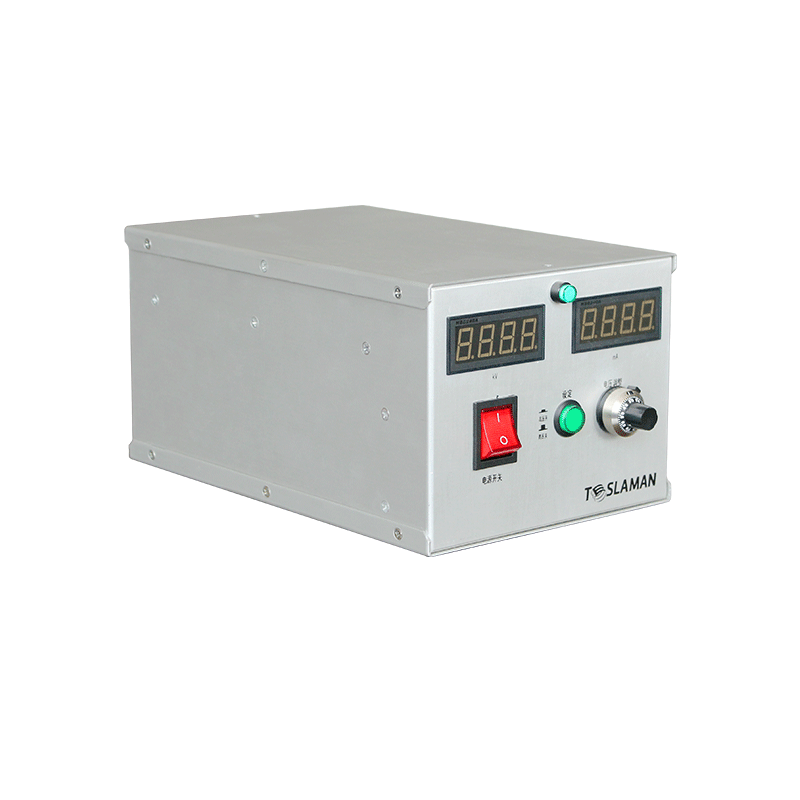
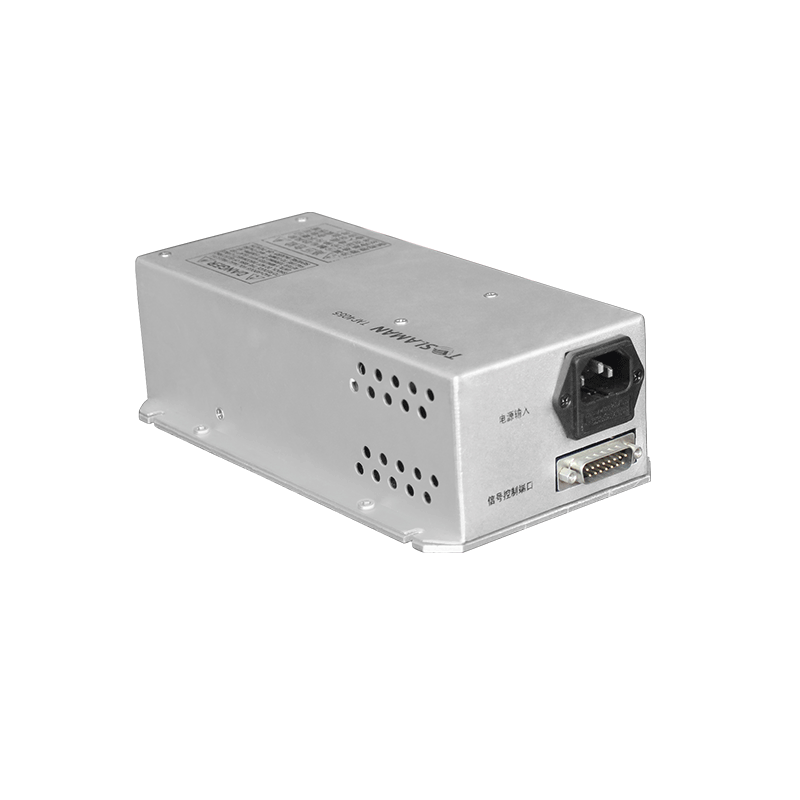
The outdoor operation of the spraying system exposes the equipment to the environmental conditions, and the supply is designed for the weather resistance. The enclosure and the sealing protect the internal components, and the thermal management supports the operation in the temperature range. The equipment design supports the field operation.
The coating of the large blade components requires the long spraying distances and the uniform coverage, and the spraying system is configured for the large-scale application. The field parameters are adjusted for the distance and the component shape, and the coating quality is inspected. The process configuration supports the large component coating.
The verification of the coating includes the evaluation of the adhesion, the thickness, and the weather resistance, and the results are compared with the specification. The accelerated weathering tests assess the long-term performance, and the coating is qualified for the application. The verification supports the blade coating quality.
The wind energy provides the renewable power for the energy supply, and the reliable turbine components support the energy production. The electrostatic spraying contributes to the coating quality, and the technology advances the wind energy industry.
The advancement of the wind energy technology demands the larger blades and the better durability, and the coating systems follow the requirements of the new turbines. The improved spraying control and the material technology enhance the capability, and the cooperation with the wind energy industry drives the innovation.
Weather resistance parameters of the electrostatic spraying high-voltage supplies enable the coating of the large wind turbine blade components, and the careful parameter optimization, the process control, and the verification deliver the required coating quality. The continued development will support the advancement of the wind energy technology.
The maintenance of the spraying system includes the cleaning of the spray guns and the inspection of the high-voltage components, and the contamination affects the coating quality. The scheduled maintenance supports the field operation, and the system is requalified after the maintenance. The maintenance program supports the coating continuity.
The training of the operators covers the operation of the spraying system and the handling of the coating materials, and the safety procedures are included in the training. The understanding of the field spraying supports the process improvement, and the technical support provides the assistance. The training supports the reliable operation.
The economic assessment of the blade coating considers the coating material cost, the process efficiency, and the value of the blade protection, and the efficient spraying reduces the material waste. The durable coating extends the blade service life, and the investment is justified by the protection benefit. The assessment supports the coating planning.
The documentation of the coating includes the process parameters, the inspection records, and the quality data, and the documentation supports the reproducibility and the traceability of the operation. The reviews of the data support the improvement, and the documentation is maintained according to the quality system. The documentation supports the process control.
The verification of the complete coating includes the evaluation of the adhesion and the weather resistance over the operation, and the consistency of the coating quality is confirmed. The process is qualified for the production use, and the periodic checks confirm the continued performance. The verification supports the reliability of the coating.
The collaboration between the equipment suppliers and the wind energy industry supports the development of the coating processes, and the exchange of the experience contributes to the refinement of the field parameters. The requirements of the new blade designs guide the development, and the systems are adapted accordingly. The collaboration drives the advancement of the blade coating.
The comparison of the electrostatic and the conventional spraying methods provides the perspective on the transfer efficiency and the coating quality, and the evaluation supports the selection for the specific applications. The requirements of the blades determine the suitable method, and the economics are considered. The evaluation supports the informed decision-making.
The scaling of the coating capacity to the additional blade production lines requires the deployment of the additional systems, and the performance of the systems is verified for the consistent operation. The data from the lines is aggregated for the analysis, and the process is optimized for the scale. The scaling supports the growth of the wind energy industry.
The continuous improvement of the process is supported by the data analysis and the experimental validation, and the process changes are implemented after the verification. The performance targets are reviewed periodically, and the improvements are documented. The continuous improvement maintains the competitiveness of the coating.
The reliability of the spraying system is supported by the scheduled maintenance and the process monitoring, and the coating quality is verified with the test panels. The field data supports the evaluation of the stability, and the corrective actions are implemented. The reliability engineering supports the continuous coating operation.