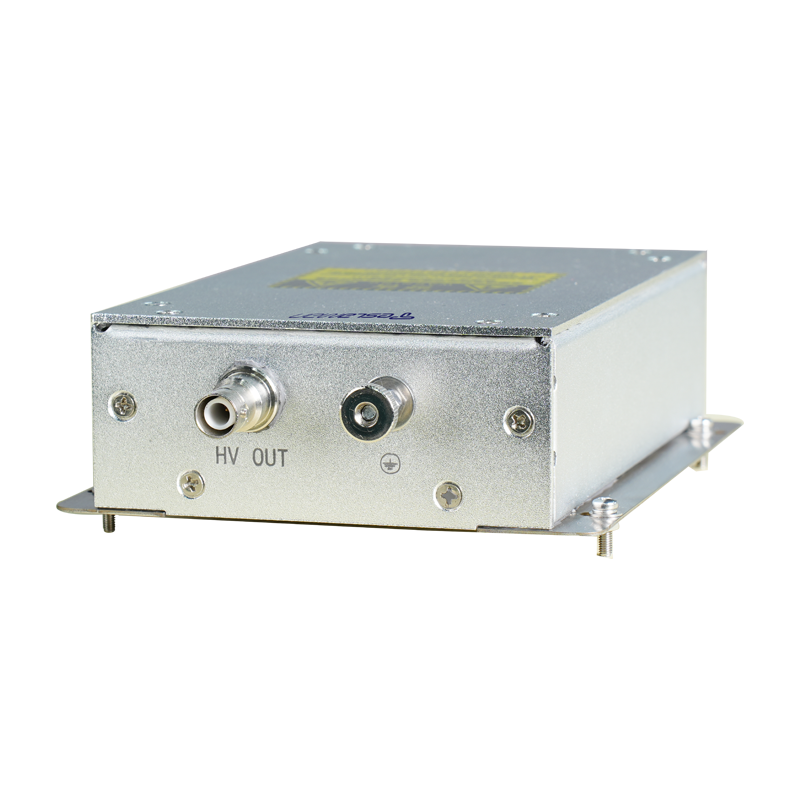
Dose of Radiation Sterilization High-Voltage Supplies in Biological Laboratory Consumables and Culture Medium Processing
The biological laboratory consumables and the culture media require the sterilization for the contamination-free use, and the radiation sterilization provides the reliable treatment for the heat-sensitive materials. The radiation sterilization systems use the electron beams or the gamma sources for the treatment, and the high-voltage supply of the electron beam system controls the beam generation. The dose of the supply supports the sterilization quality, and the engineering work covers the dose control, the process integration, and the verification.
The laboratory consumables include the culture vessels, the pipettes, and the filtration devices, and the culture media provide the nutrients for the biological growth. The sterilization of the materials ensures the contamination-free operation, and the radiation treatment provides the efficient sterilization. The reliable treatment supports the laboratory operations.
The radiation sterilization uses the ionizing radiation to inactivate the microorganisms, and the electron beam systems provide the controlled irradiation for the treatment. The high-voltage supply provides the beam power, and the dose delivery is controlled through the beam parameters. The supply performance supports the dose control.
The dose control includes the regulation of the beam current and the conveyor speed, and the dose monitoring ensures the required treatment level. The dose distribution across the products is evaluated for the uniformity, and the process parameters are adjusted for the product requirements. The dose control supports the sterilization quality.
The sterilization of the culture media requires the preservation of the nutritional properties, and the radiation dose is selected for the balance between the sterilization and the material stability. The treatment conditions are validated for the media types, and the product quality is assessed. The process optimization supports the media processing.
The verification of the sterilization includes the biological testing and the dose auditing, and the results are compared with the requirements. The sterility assurance level is confirmed, and the process is qualified for the production use. The verification supports the product release.
The maintenance of the sterilization system includes the service of the accelerator and the verification of the dose delivery, and the condition of the components affects the treatment quality. The periodic testing is performed, and the system is requalified after the maintenance. The maintenance supports the continuous operation.
The biological laboratory materials support the research and the medical applications, and the reliable sterilization contributes to the experimental quality. The radiation sterilization provides the efficient treatment, and the technology advances the laboratory material processing.
The advancement of the biological research demands the higher material quality and the better process control, and the sterilization systems follow the requirements of the new materials. The improved dose control and the automation enhance the capability, and the cooperation with the laboratory suppliers drives the innovation.
Dose of the radiation sterilization high-voltage supplies enables the biological laboratory consumables and the culture medium processing, and the careful dose control, the process integration, and the verification deliver the required sterilization quality. The continued development will support the advancement of the sterilization technology.
The maintenance of the sterilization system includes the service of the accelerator and the verification of the dose delivery, and the condition of the components affects the treatment quality. The scheduled maintenance supports the operation continuity, and the system is requalified after the maintenance. The maintenance program supports the sterilization quality.
The training of the operators covers the operation of the sterilization system and the handling of the radiation safety procedures, and the quality control is included in the training. The understanding of the dose control supports the process development, and the technical support provides the assistance. The training supports the reliable operation.
The economic assessment of the sterilization service considers the treatment capacity, the operating cost, and the value of the product quality, and the efficient treatment reduces the processing cost. The reliable sterilization supports the product compliance, and the investment is justified by the quality benefit. The assessment supports the facility planning.
The documentation of the process includes the dose records, the product data, and the quality results, and the documentation supports the traceability and the regulatory compliance. The reviews of the data support the improvement, and the documentation is maintained according to the quality system. The documentation supports the compliant operation.
The verification of the complete process includes the evaluation of the dose accuracy and the sterility assurance over the operation, and the consistency of the results is confirmed. The process is qualified for the production use, and the periodic checks confirm the continued performance. The verification supports the reliability of the sterilization.
The collaboration between the equipment suppliers and the laboratory product manufacturers supports the development of the sterilization processes, and the exchange of the experience contributes to the refinement of the dose control. The requirements of the new materials guide the development, and the systems are adapted accordingly. The collaboration drives the advancement of the sterilization technology.
The comparison of the radiation and the thermal sterilization methods provides the perspective on the material compatibility and the process cost, and the evaluation supports the selection for the specific applications. The requirements of the products determine the suitable method, and the economics are considered. The evaluation supports the informed decision-making.
The scaling of the sterilization capacity to the larger volumes requires the deployment of the additional processing capacity, and the performance of the systems is verified for the consistent operation. The data from the systems is aggregated for the analysis, and the process is optimized for the scale. The scaling supports the growth of the sterilization services.
The continuous improvement of the process is supported by the data analysis and the experimental validation, and the process changes are implemented after the verification. The performance targets are reviewed periodically, and the improvements are documented. The continuous improvement maintains the effectiveness of the sterilization.
The reliability of the sterilization process is supported by the dosimetry verification and the process monitoring, and the treatment consistency is evaluated with the biological indicators. The operation data supports the maintenance planning, and the improvements are implemented. The reliability engineering supports the dependable sterilization.