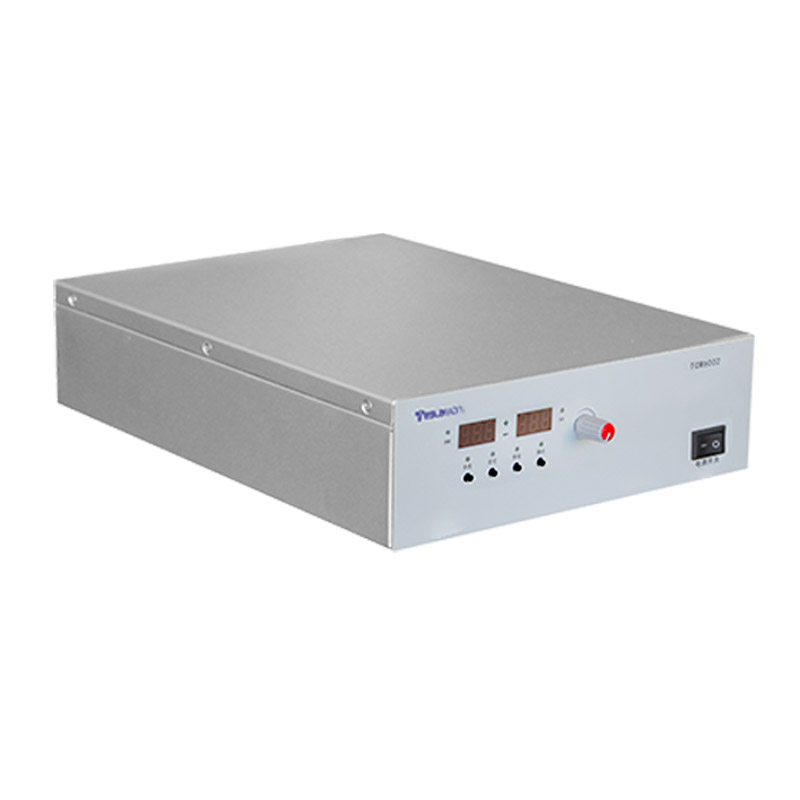
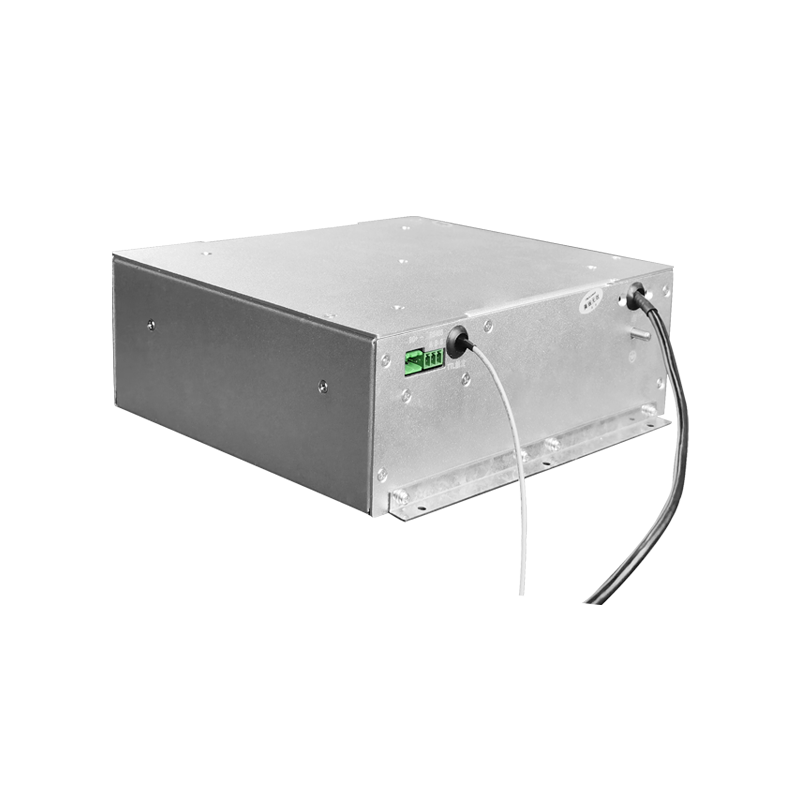
Low-Loss High-Voltage Cable Transmission of Ion Implantation High-Voltage Supplies in High-Energy Beam Equipment
The high-energy beam equipment requires the reliable delivery of the high voltage from the supply to the acceleration components, and the high-voltage cable transmission affects the beam performance. The ion implantation systems use the high voltage for the beam acceleration, and the cable losses and the parasitic effects influence the supply performance. The low-loss cable transmission supports the beam quality, and the engineering work covers the cable design, the system integration, and the verification.
The ion implantation provides the controlled doping for the semiconductor and the material processing, and the beam energy determines the implantation depth. The high-voltage supply provides the acceleration voltage, and the transmission from the supply to the accelerator affects the voltage stability. The reliable transmission supports the beam precision.
The high-voltage cable delivers the voltage to the acceleration column, and the cable characteristics include the capacitance, the leakage, and the attenuation. The low-loss design reduces the power loss and the voltage drop, and the shielding controls the interference. The cable design supports the voltage integrity.
The parasitic capacitance of the cable affects the transient response of the supply, and the cable length and the layout are optimized for the performance. The impedance matching supports the pulse fidelity, and the corona prevention protects the cable insulation. The system integration supports the reliable operation.
The high-energy beam equipment operates with the controlled environment, and the cable installation is arranged for the safety and the serviceability. The routing and the support of the cable protect the insulation, and the monitoring of the cable condition supports the maintenance. The installation supports the field operation.
The verification of the cable transmission includes the measurement of the voltage drop and the transient response, and the results are compared with the specification. The beam performance tests confirm the transmission quality, and the insulation tests assess the safety. The verification supports the system qualification.
The maintenance of the cable system includes the inspection of the insulation and the termination, and the condition of the components affects the transmission quality. The scheduled testing supports the reliable operation, and the system is requalified after the servicing. The maintenance supports the production continuity.
The high-energy beam equipment supports the semiconductor and the material processing, and the reliable transmission contributes to the beam quality. The low-loss cable design supports the supply performance, and the technology advances the beam equipment.
The advancement of the beam technology demands the higher voltage and the better stability, and the transmission systems follow the requirements of the new equipment. The improved cable materials and the design enhance the capability, and the cooperation with the equipment manufacturers drives the innovation.
Low-loss high-voltage cable transmission of the ion implantation high-voltage supplies enables the high-energy beam equipment, and the careful cable design, the system integration, and the verification deliver the required transmission performance. The continued development will support the advancement of the beam technology.
The maintenance of the high-voltage cable transmission system includes the inspection of the cable and the terminations, and the verification of the transmission performance after the servicing supports the planning of the future servicing. The condition monitoring of the system detects the changes of the insulation condition, and the corrective actions are implemented before the failures occur. The maintenance program is reviewed periodically for the effectiveness, and the improvements are made based on the experience.
The training of the operators covers the handling and the safety procedures, and the certification confirms the competence of the personnel. The training program is updated with the changes of the procedures and the technology, and the knowledge of the team is maintained at the required level. The documentation of the procedures supports the consistent operation, and the records of the training are maintained for the compliance.
The economic assessment of the transmission includes the evaluation of the equipment investment and the operating costs, and the benefits of the reliable beam operation are considered in the assessment. The reduced downtime and the quality improvement contribute to the overall efficiency, and the total cost of ownership is evaluated for the decision-making. The economic analysis supports the investment planning.
The documentation of the transmission includes the installation records, the test reports, and the maintenance records, and the records support the traceability and the audit. The quality management system defines the responsibilities and the processes, and the compliance is verified through the internal and the external audits. The documentation is maintained according to the requirements.
The comparison of the transmission solutions provides the basis for the selection of the appropriate technology, and the performance and the cost are evaluated for the applications. The experience with the different installations contributes to the understanding of the capabilities, and the selection is reviewed with the technology development.
The continuous improvement of the transmission includes the analysis of the field data and the refinement of the maintenance procedures, and the improvements are implemented with the verification of the benefits. The feedback from the operations supports the adjustment of the inspection plans, and the performance targets are reviewed periodically.
The reliability engineering of the high-voltage cable transmission system focuses on the dependable transmission over the extended period, and the failure modes of the components are analyzed for the improvement of the design. The redundancy and the protective features are implemented for the critical functions, and the reliability data from the field supports the continuous refinement. The reliability targets are defined at the system level, and the achieved performance is reviewed against the targets.
The field data collection supports the evaluation of the transmission quality, and the statistics from the operations are used for the trend analysis. The systematic collection of the records provides the evidence for the decision-making, and the quality indicators are monitored for the improvement.
The beam application of the transmission system continues to expand, and the improved voltage integrity supports the beam quality. The engineering development focuses on the cable reliability, and the service support keeps pace with the deployment. The improved insulation and the termination design support the safe operation, and the beam equipment benefits from the reliable voltage delivery.