







Flexibility of Polarity-Switching High-Voltage Power Supply in Electrostatic Multi-Function Treatment Platform
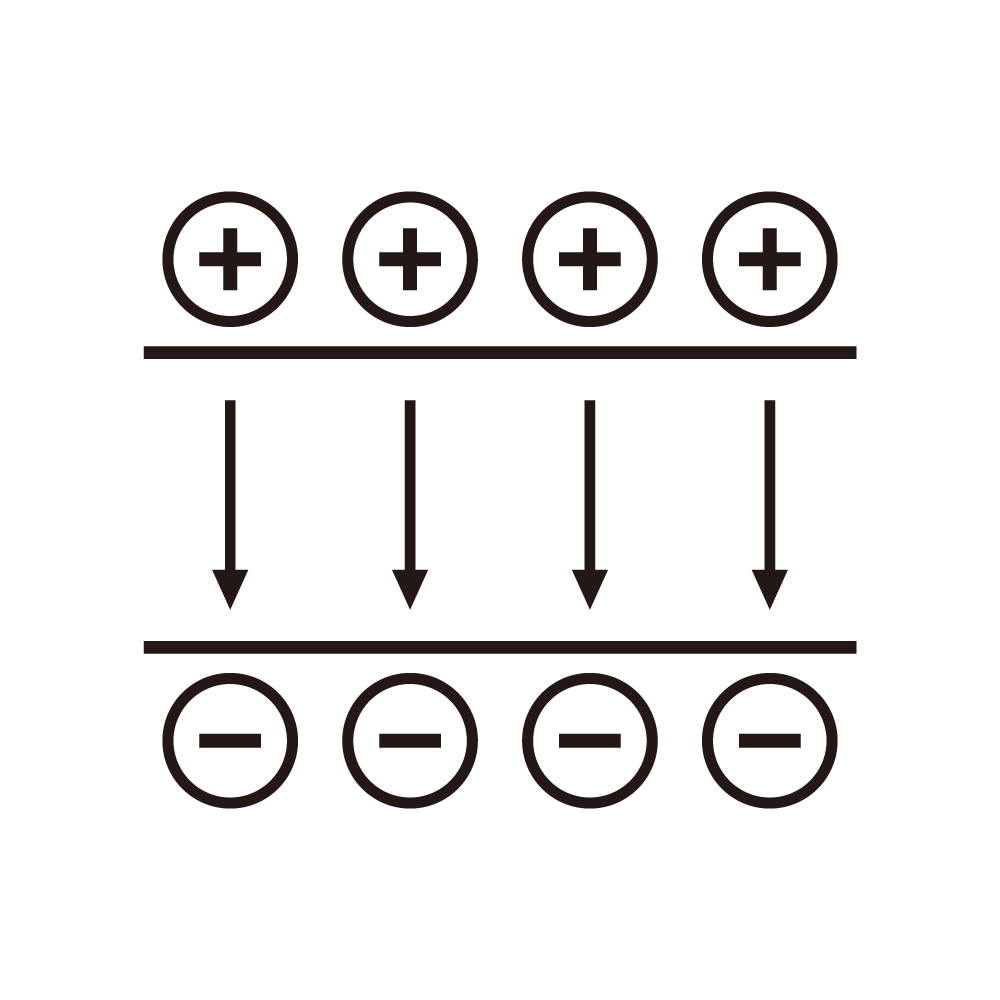
The flexibility of a polarity-switching supply in an electrostatic multi-function treatment platform covers the polarity change between the process steps. The platform handles the charge treatment and the neutralization, the supply switches the output polarity, and the switching reliability decides the process continuity.
The polarity switching follows the defined sequence. The voltage ramps down, the polarity reverses, the voltage ramps up, and the process resumes without the disturbance.
The dual-polarity output carries the same accuracy. The positive and the negative paths are calibrated, the set point accuracy is confirmed, and the drift is bounded.
The switching transient is controlled. The overshoot is limited, the load stress is reduced, and the switching waveform is recorded.
The process recipe defines the polarity per step. The recipe is loaded per product, the switching point is controlled, and the wrong setting is blocked.
The protection covers the switching faults. The overvoltage and the overcurrent are handled by the fast path, the record keeps the event, and the recovery follows the defined sequence.
The integration test covers the complete platform. The supply and the process control work together, the treatment result is measured, and the parameters are adjusted from the result.
Field maintenance focuses on the switching circuit and the calibration. The polarity accuracy is verified periodically, and the anomaly is located from the record.
The efficiency depends on the topology and the device loss. The soft switching reduces the switching loss, the magnetic design optimizes the copper and the core loss, and the efficiency is measured at several load points.
The high-voltage sequence follows the safety order. The shutdown comes before the discharge, the discharge completion is confirmed, and the maintenance is permitted after the confirmation.
The temperature sampling covers the critical positions. The sensor layout follows the thermal analysis, the channels are calibrated, and the derating uses the temperature data.
The galvanic isolation serves the insulation and the signal. The optical isolation converts the low-voltage signal, the withstand meets the standard, and the isolation is verified periodically.
The digital control keeps the hardware baseline. The hardware protection is independent of the software, the fast shutdown does not depend on the program state, and the abnormal path is verified.
The startup check covers the grounding and the interlock. The ground resistance is confirmed, the interlock loop is tested, and the discharge path is verified before the power-up.
The ripple measurement excludes the external interference. The probe is grounded locally, the shield is complete, the bandwidth matches the indicator, and the repeated measurement is averaged.
The load characteristic affects the regulation. The capacitive load concerns the establishment, the resistive load concerns the ripple, the pulsed load concerns the dynamic drop, and the field test adjusts the setting.
The module temperature and the output capability are linked. The derating reduces the output at the high temperature, the curve follows the test result, and the rated operation returns after the recovery.
The field fault handling follows the symptom. The no-output case checks the supply and the protection, the output anomaly checks the feedback and the filter, and the insulation anomaly checks the environment.
The calibration follows the fixed schedule. The channels are calibrated point by point, the reference certificate is valid, and the deviation is corrected and re-verified.
The power-up self-test covers the critical paths. The sampling channel is verified, the protection logic is tested, the communication handshake is confirmed, and the abnormal item blocks the start.
The cable movement affects the measurement. The movement changes the distributed capacitance, the sampling chain receives the interference, and the fixed routing restores the repeatability.
The ambient temperature change causes the drift. The compensation curve is generated from the measured data, the compensation covers the operating range, and the residual drift stays within the limit.
The discharge test verifies the insulation margin. The test voltage rises by the standard step, the discharge level is monitored, and the breakdown point is located for the analysis.
The modular structure eases the maintenance. The faulty module is diagnosed independently, the spare stock follows the usage, and the replacement procedure is standardized.
The remote monitoring centralizes the management. The communication uses the unified protocol, the status is uploaded in real time, and the alarm is pushed with the record.
The inrush limiting protects the power-up. The limiting resistor and the relay cooperate, the inrush is measured, and the repeated start verifies the repeatability.
The long-run attention is on the drift. The output trend is recorded, the drift beyond the limit alarms, the aging is predicted, and the maintenance follows the data.
The field interference is located by the path. The source is identified, the coupling is analyzed, the shielding and the grounding are corrected, and the retest verifies the result.
The factory test covers the full performance. The accuracy, the ripple and the response are verified item by item, the data is archived, and the nonconforming item is corrected.
The insulation aging is affected by the temperature and the humidity. The environment is controlled, the insulation state is checked periodically, and the partial discharge trend warns the aging.
The output power limit protects the high-voltage chain. The power beyond the limit triggers the derating or the shutdown, the recovery is confirmed, and the action is recorded.
The transport protection preserves the installation quality. The packaging absorbs the shock, the transport shock is monitored, and the incoming inspection checks the list and the appearance.
The feedback delay affects the compensation. The delay source is identified, the compensation matches the bandwidth, and the step test verifies the adjustment.
The parallel connection extends the output capability. The current sharing keeps the balance, the faulty module is bypassed, and the thermal design follows the total power.
The output accuracy of a high-voltage supply rests on the reference and the divider. The reference carries the low drift, the divider resistors are matched, and the periodic calibration keeps the accuracy inside the specification.
The transformer insulation follows the rated voltage and the margin. The layer insulation and the creepage distance match the pollution degree, the encapsulation removes the voids, and the partial discharge test confirms the quality.
The soft start limits the inrush at the power-up. The starting resistor and the bypass relay cooperate, the bus voltage rises smoothly, and the inrush stays below the rated limit.