High-Voltage Power Supplies Supporting Automation Retrofits in CMP Equipment
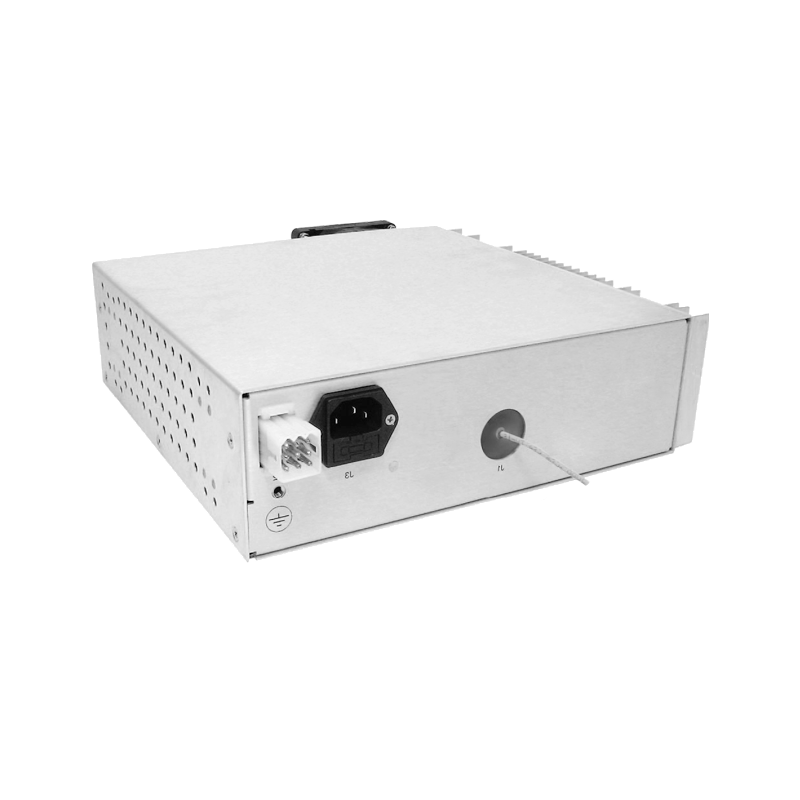
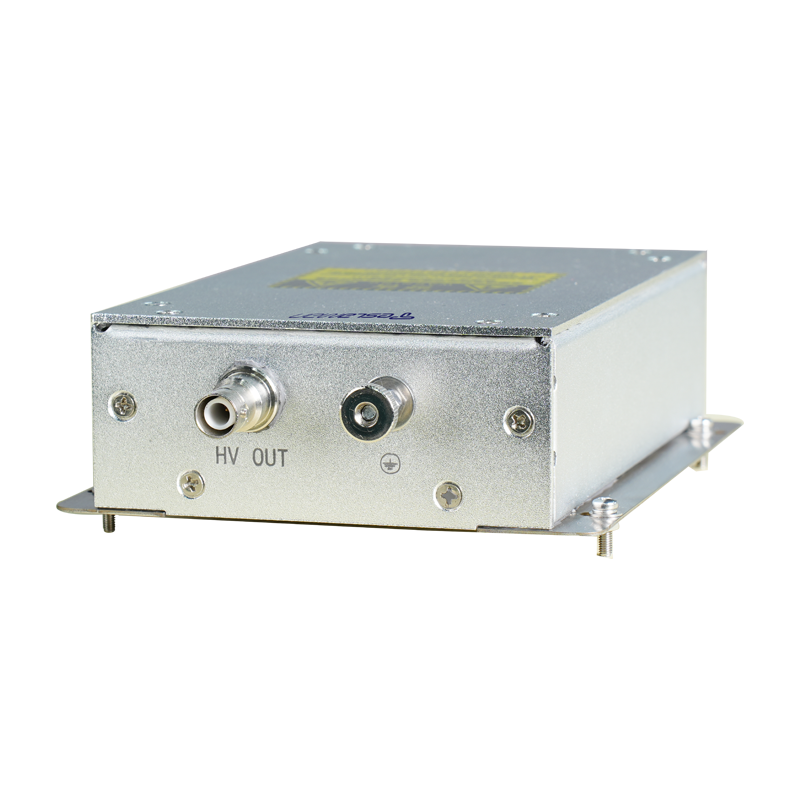
Retrofitting older chemical mechanical polishing platforms with modern high-voltage power systems has become a cost-effective path to extend equipment life while achieving automation levels previously possible only on new tools. The retrofit process centers on replacing legacy analog supplies with compact digital units that occupy the same or smaller footprint while providing the precision and connectivity required for full robotic integration.
The primary challenge in automation retrofits involves achieving sub-second chucking and de-chucking performance on existing chuck designs that were originally specified for multi-second settling times. Modern retrofit supplies accomplish this through active charge injection using high-frequency resonant converters that can deliver controlled current bursts exceeding 100 mA momentarily without overshoot. This capability reduces total load-to-unload transfer time by 70-80%, enabling older platforms to match the throughput of current-generation tools when paired with upgraded wafer handling robots.
Digital communication integration represents another cornerstone. Retrofit supplies implement industry-standard EtherCAT or Profinet interfaces that connect directly to the tool’s upgraded SECS/GEM host, providing real-time visibility of every zone voltage, leakage current, and fault status. This data stream enables predictive maintenance algorithms running on the fab’s edge servers to schedule power supply conditioning cycles during planned downtime rather than reacting to hard faults.
Multi-zone capability often requires hardware modifications to the chuck itself, but intelligent retrofit supplies include built-in zone emulation modes that can synthesize independent zone control using time-division multiplexing on single-electrode chucks. By rapidly switching voltage between concentric areas at kilohertz rates synchronized with platen rotation, these systems achieve effective zone control with removal rate tuning resolution comparable to native multi-zone designs.
Energy recovery implementation in retrofits deserves particular attention. Older platforms typically vent stored chuck energy through bleed resistors, wasting several joules per wafer. Retrofit supplies capture this energy through synchronous rectification back to the 400 V DC bus, achieving recovery efficiency above 90% and reducing total tool power draw by measurable percentages in high-throughput operation.
Arc management sophistication addresses the increased risk present in older dielectric stacks that may have accumulated conductive residues over years of operation. Retrofit units incorporate sub-millisecond arc detection with multi-stage quenching sequences that collapse voltage, inject neutralizing pulses, and verify extinction before restoration. This has proven essential for maintaining uptime during the initial post-retrofit shakedown period.
Cooling system upgrades typically parallel the power supply retrofit. Many older tools rely on facility water with limited temperature stability. New supplies include integrated heat exchangers and variable-speed pumps that buffer temperature swings, maintaining output stability even when facility water varies by ±5°C.
Safety integration with existing emergency-off circuits requires careful design of galvanic isolation and fail-safe default states. Retrofit supplies implement dual-channel monitoring where both the new digital controller and a completely independent analog watchdog circuit must agree before enabling high-voltage output, satisfying safety auditors while preserving rapid response.
Recipe compatibility is preserved through extensive parameterization. Engineers can load legacy voltage tables that are automatically converted to modern dynamic profiles with ramp rate limiting and overshoot suppression, preventing dielectric stress that could occur if old step changes were applied directly to faster-responding hardware.
Field experience with several hundred retrofitted platforms spanning first-generation 200 mm tools to early 300 mm systems has demonstrated greater than 99.5% uptime post-conversion, with many tools achieving higher final yield than original specification due to improved chucking uniformity made possible by modern control precision. The investment typically pays back within 12-18 months through combination of extended equipment life, increased throughput, and reduced energy costs, making power supply retrofit one of the highest-ROI automation upgrades available for mature CMP assets.