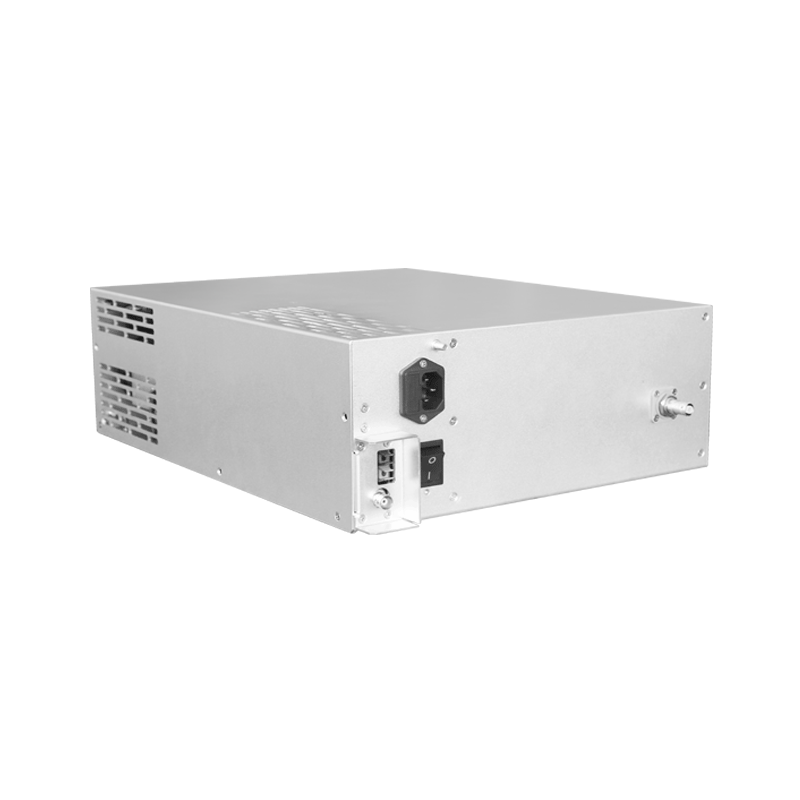
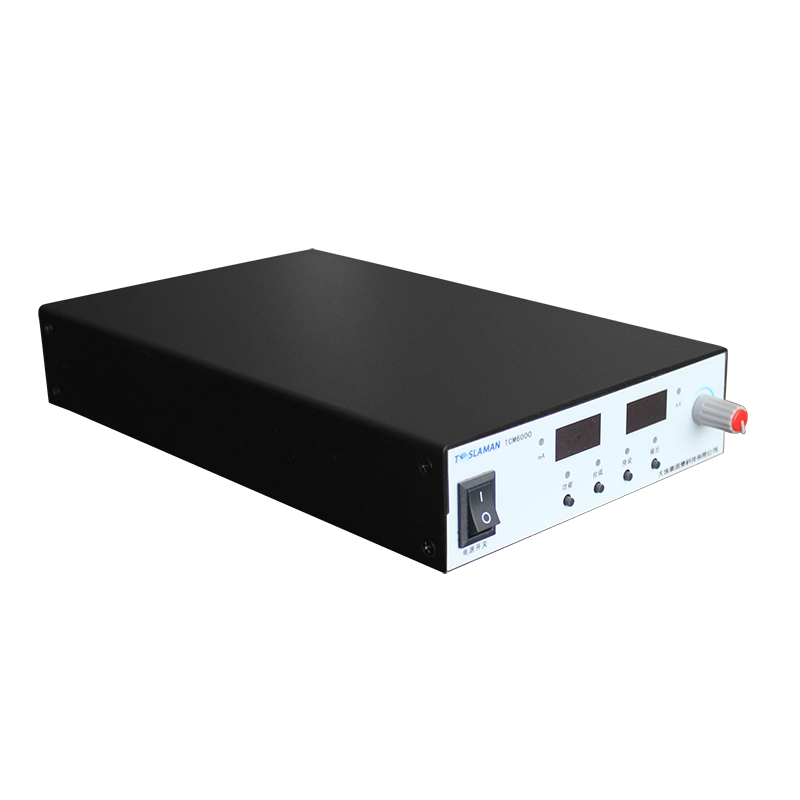
Microchannel Plate MCP Triple Floating High Voltage Precision Distribution
The utilization of microchannel plates (MCPs) as electron multipliers across numerous scientific and industrial detection systems imposes exceptionally stringent requirements on the associated high-voltage power supply architecture. Unlike a single high-voltage source, the operation of an MCP stack, typically in a chevron or Z-configuration, necessitates a sophisticated, multi-channel floating high-voltage system capable of delivering precise and stable potential differences across each plate and between the input and output faces. This triple floating high-voltage distribution is not merely about providing three independent voltages; it is about maintaining absolute accuracy in their relative values under dynamic load conditions, ensuring minimal temporal drift, and guaranteeing outstanding isolation integrity.
The core challenge lies in the floating nature of the supplies. For optimal electron gain and temporal response, the entire voltage gradient across the MCP stack is often biased at a high potential (e.g., several kilovolts) relative to the surrounding detector circuitry, such as an anode or readout system. This demands that the three interdependent power supplies—typically setting the photocathode-to-MCP1 input voltage, the inter-plate voltage between MCP1 and MCP2, and the MCP2 output-to-anode voltage—operate on a common floating ground reference that itself is at a high DC offset. Any instability or noise on this floating reference directly translates into gain instability and signal distortion. Consequently, the design of the distribution system focuses on ultra-stable, low-noise DC-DC converters or precision linear amplifiers, often fed via highly isolated power and control links such as fiber optics or meticulously designed isolation transformers.
Precision distribution is paramount because the electron multiplication gain of an MCP is an exponential function of the applied voltage across the channels. A deviation of even 0.1% in the inter-plate voltage can lead to a gain change of 1% or more, directly impacting measurement linearity and detection sensitivity. Therefore, these supplies feature voltage setpoint resolutions in the millivolt range and long-term stability specifications better than 0.01% per hour. Furthermore, the dynamic output impedance must be extremely low to prevent gain shifts during pulse current draw, as MCPs can deliver brief but substantial output currents. This requires careful output stage design with high-bandwidth feedback and local energy storage.
Isolation specifications are twofold: channel-to-channel and system-to-ground. Channel-to-channel isolation prevents cross-talk and ensures that a fault or adjustment in one supply does not affect the others. System-to-ground isolation, often exceeding 5-10 kV, ensures the high floating potential is safely maintained without leakage paths that could degrade signal integrity or pose safety risks. The control interface for such a system must operate across this isolation barrier, employing digital isolators or optical communication to relay setpoints and read back monitored values like actual voltage and current.
In application, this triple floating system enables precise tailoring of the MCP's operating point. The photocathode-to-MCP1 voltage optimizes photoelectron collection efficiency, the inter-plate voltage sets the primary gain, and the output voltage influences the extraction of the multiplied electron cloud towards the anode, affecting pulse shape and timing characteristics. By independently controlling these three parameters with high precision, researchers can optimize the detector for specific metrics—whether maximizing single-photon counting efficiency, achieving ultra-fast time resolution for time-correlated single-photon counting (TCSPC), or preserving linear dynamic range in analog detection modes. Thus, the high-voltage distribution system is a critical enabling technology that defines the ultimate performance frontier of MCP-based detection systems.