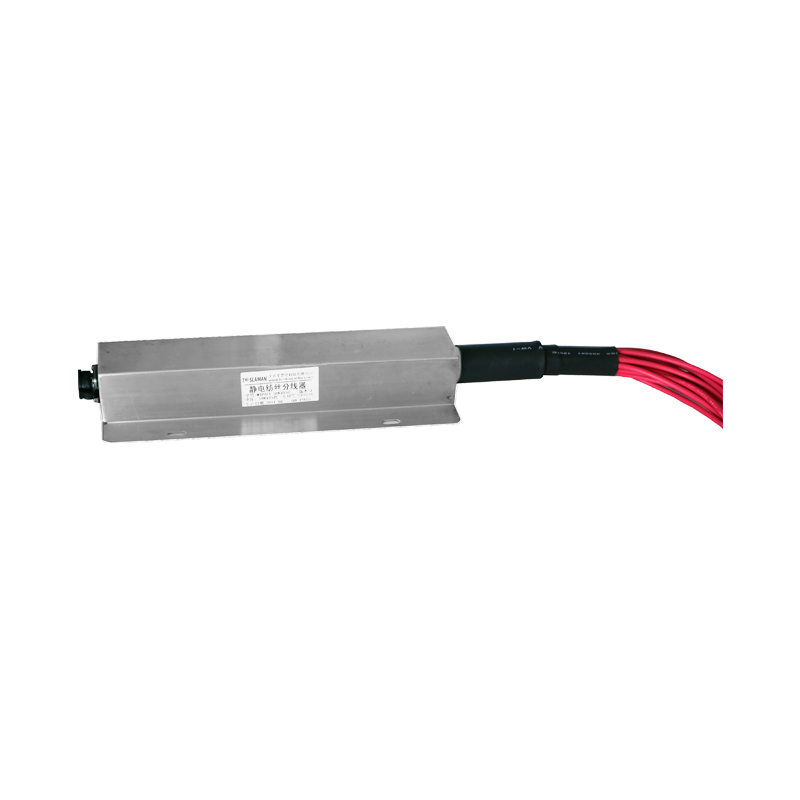
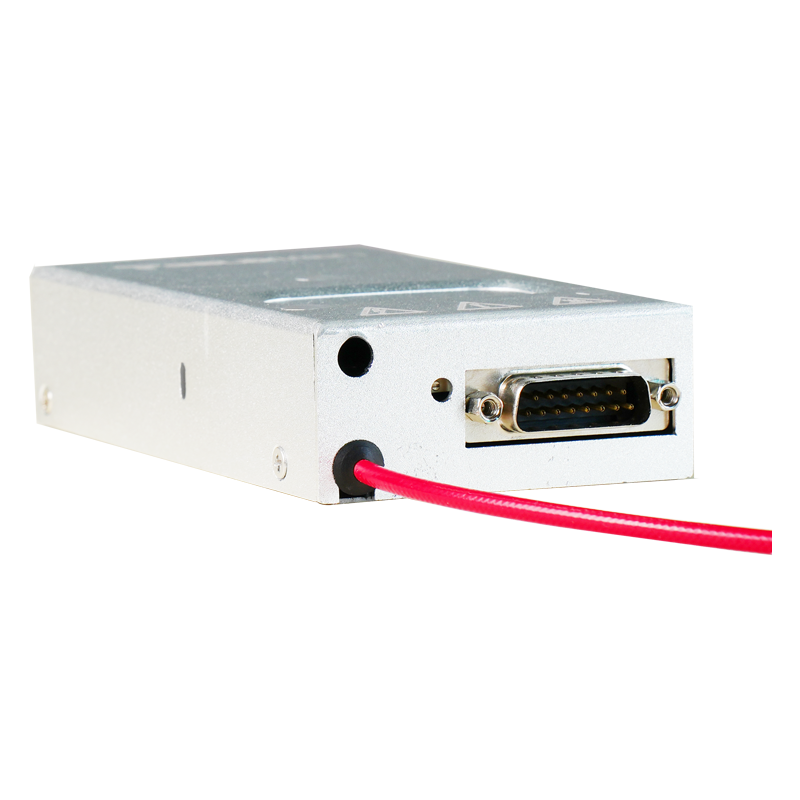
Pulsed Bias High Voltage Power Supply for Coating Machines (-1200V)
In the realm of advanced physical vapor deposition (PVD) and plasma-based surface engineering, the application of a pulsed substrate bias has emerged as a transformative technique for controlling film microstructure, stress, adhesion, and composition. A specialized pulsed bias high-voltage power supply, delivering negative pulses typically around -1200V or higher, is the instrument that enables this precise plasma-interaction control. Far beyond a simple switchable DC supply, this device is an integral process tool that modulates the energy and flux of ions bombarding the growing coating.
The core function is to generate a user-defined, repetitive high-voltage rectangular or custom-shaped pulse from a floating output referenced to the deposition chamber's ground. Key parameters under precise control include pulse voltage amplitude (often -200V to -2000V), pulse frequency (from a few hundred Hz to several hundred kHz), pulse width or duty cycle, and in advanced systems, the rise and fall times of the pulse edges. The negative polarity is essential to repel electrons and attract positive ions from the plasma, accelerating them towards the substrate or workpiece.
The technical challenges are multifaceted. Firstly, the supply must source substantial peak current. During the "on" phase of the pulse, the biased substrate acts as a cathode, drawing a high-density ion current from the plasma. The supply must maintain a stable voltage level despite this dynamic load, requiring a low output impedance and fast feedback response. Secondly, the transition times are critical. Very fast rise times (on the order of microseconds or less) create a strong initial electric field that can influence plasma sheath dynamics and ion acceleration profiles. Conversely, controlled fall times can manage charge dissipation. Thirdly, the supply must handle the complex load presented by the plasma itself, which is non-linear and can exhibit arcing, especially during pulse transitions.
Modern pulsed bias supplies often incorporate sophisticated arc management as a standard feature. Upon detection of a micro-arc (a sudden current spike), the unit must react within microseconds to either quench the arc by temporarily shutting off the output or by implementing a "reverse polarity kick" to neutralize the fault. This protects both the power supply and the delicate substrate from damage. Furthermore, the ability to operate in different modes—such as unipolar negative pulses, bipolar pulses (alternating negative and positive phases), or synchronized pulsing with other plasma sources like magnetron cathodes—greatly expands process versatility.
The impact on coating properties is profound. By pulsing the bias, the average ion energy and the ion-to-neutral arrival ratio can be decoupled. A high peak voltage provides the necessary energy for ion implantation and densification at the atomic scale, while the "off" time allows for surface charge neutralization and heat dissipation, preventing excessive substrate heating and arcing on insulating films. This is particularly vital for depositing temperature-sensitive materials or for coating non-conductive substrates. The technique allows the growth of ultra-dense, adherent, and low-stress coatings that are often unattainable with continuous DC bias.
Therefore, the -1200V pulsed bias high-voltage supply is a key enabler for next-generation coating processes. It provides the knob to fine-tune the plasma-material interaction in the temporal domain, allowing materials scientists and process engineers to tailor coating architectures at the nanoscale, improve tribological performance, enhance corrosion resistance, and achieve specific functional properties in thin films for optics, electronics, and precision tooling applications.