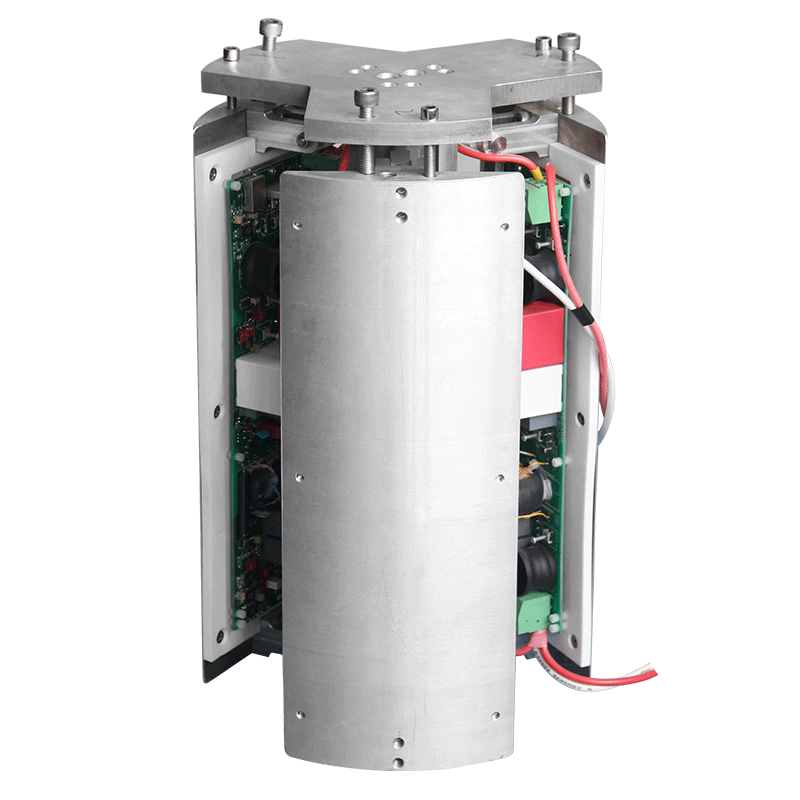
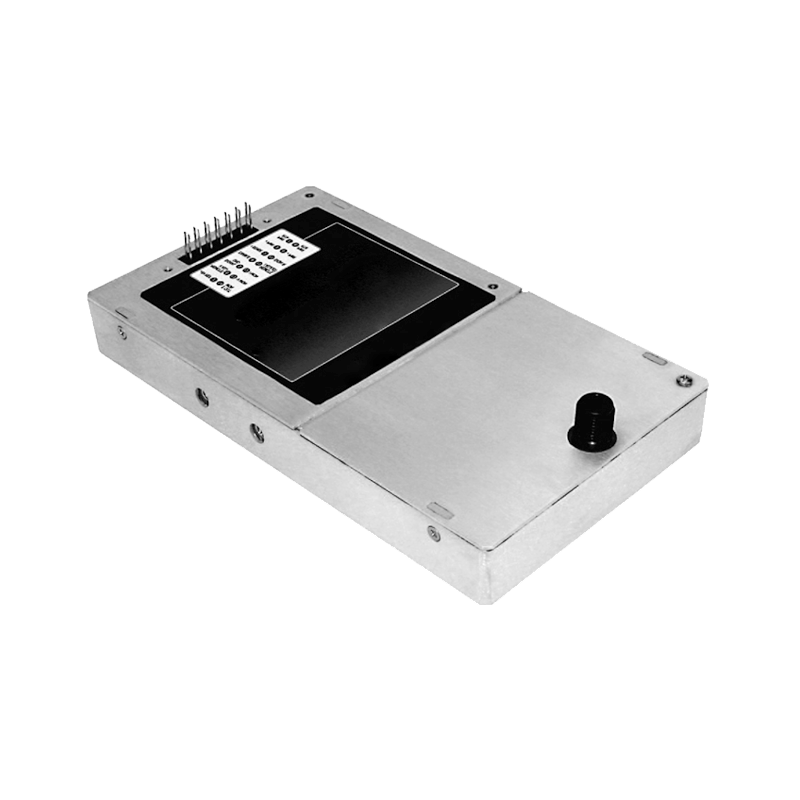
Plasma Control Power Supply for Electron Beam Percussion Welding
Electron beam (EB) welding, particularly the keyhole or percussion mode used for deep-penetration joints, operates within a high-vacuum environment to allow the unimpeded travel of the electron beam. However, during the welding of certain materials, especially alloys with volatile components like aluminum or magnesium, the intense localized heating can generate a significant amount of metal vapor. This vapor can ionize, creating a localized plasma cloud within the keyhole and above the weld pool. While often faint, this plasma can defocus and scatter the incident electron beam through space charge effects, leading to weld defects such as porosity, inconsistent penetration, or beam instability. To counteract this, a dedicated plasma control power supply is employed, applying an active electrical field to manage the behavior of this unintended plasma.
The most common configuration involves a positively biased electrode, often a ring or a plate, positioned near the weld zone but outside the direct path of the beam. A specialized DC power supply applies a stable, low-current positive voltage (typically in the range of +50V to +300V) to this electrode relative to the workpiece (which is at ground or negative potential as part of the EB gun circuit). This creates an electrostatic field that attracts the negatively charged electrons within the plasma cloud, effectively pulling them away from the region directly above the keyhole. By siphoning off these free electrons, the space charge that would otherwise repel the incoming high-energy electron beam is neutralized or significantly reduced. This helps maintain beam focus and stability, ensuring that the beam's energy is delivered precisely to the intended location at the bottom of the keyhole.
The design requirements for this power supply are unique. It must provide a very stable DC voltage with exceptionally low noise and ripple, as any fluctuation in the control field could modulate the plasma and cause new instabilities. The current demand is usually low (milliampere range), but the supply must be capable of sourcing this current reliably into what is essentially a variable-conductivity plasma load. Crucially, it must be designed to operate safely in the challenging environment of an EB welder. It requires high-voltage isolation to withstand any potential arcs or backstreaming from the main high-voltage electron gun (which operates at tens to hundreds of kilovolts). Its control circuitry must be immune to the intense electromagnetic interference generated by the rapid deflection coils and high-voltage switching within the welder. Advanced systems may incorporate closed-loop control, where sensors monitoring beam current or plasma emission provide feedback to dynamically adjust the control electrode voltage for optimal stabilization under varying welding conditions. By providing this active plasma control, the power supply becomes an indispensable subsystem for achieving high-quality, repeatable welds in materials prone to plasma generation, extending the robust application range of electron beam percussion welding technology.