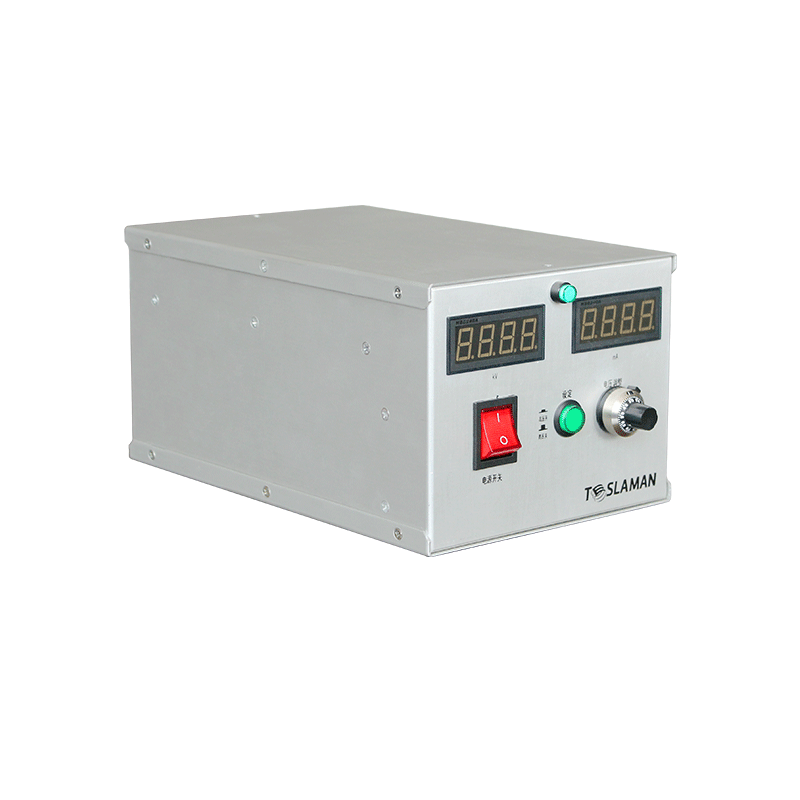
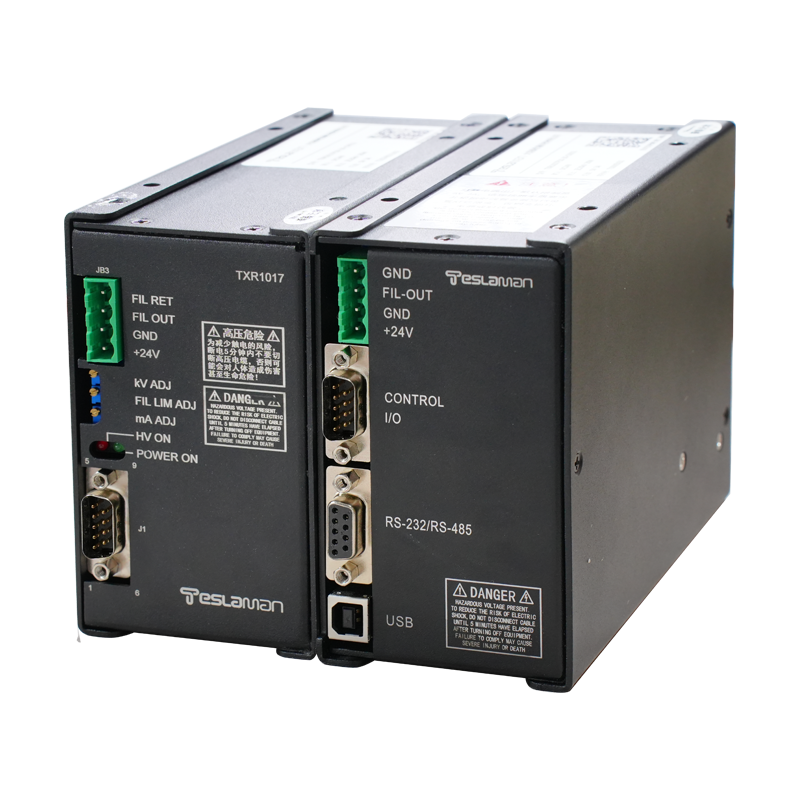
Arc Monitoring and Target Erosion Detection in High-Voltage Power Supplies for Coating
Magnetron sputtering and arc-based physical vapor deposition are workhorse technologies for applying hard, decorative, and functional coatings. The plasma environment in these processes is inherently unstable, with microscopic arcs being a common occurrence. While minor arcing is tolerable, severe or frequent arcs can eject macroscopic droplets of target material, creating defects in the growing film and degrading coating quality. Furthermore, the gradual erosion of the target material, if not monitored, can lead to process drift and eventual exposure of the backing plate, causing contamination and catastrophic system failure. The high-voltage power supply that drives the plasma is uniquely positioned to serve as the primary sensor for both arc detection and target erosion monitoring, evolving from a simple power source into a sophisticated diagnostic instrument.
Arc detection is a classic application of high-voltage power supply intelligence. A conventional DC magnetron discharge operates at a relatively stable voltage and current. When an arc occurs, the plasma impedance collapses, causing a sudden, dramatic drop in voltage and a spike in current. The power supply must detect this event within microseconds and respond to quench the arc before it can cause damage. This is achieved through a combination of fast analog comparators and a digital control loop. The supply continuously monitors its output voltage and current. When a pre-programmed rate-of-change threshold is exceeded, the control logic immediately triggers a response. This may involve shutting off the output entirely for a brief period (a technique known as arc suppression), reversing the output polarity to actively extinguish the arc, or simply pulsing the power off and on. The speed of this response is critical; a slower supply may allow an arc to develop into a damaging, high-energy event.
However, simply detecting and extinguishing arcs is only half the story. The pattern of arcing contains valuable information about the health of the process. A well-tuned, stable process might have a low, random background of micro-arcs. A sudden increase in arc rate can signal the onset of target poisoning in reactive sputtering, where an insulating layer forms on the target surface, leading to charge buildup and frequent breakdowns. By logging the time, duration, and energy of each arc event, the power supply's controller can provide a diagnostic trend to the operator or to an automated process control system. This allows for preemptive corrective action, such as a brief cleaning step or a change in gas flow, before the coating quality is compromised.
Target erosion monitoring is a more subtle but equally valuable capability. As material is sputtered from the target, the target thickness decreases, and the race track groove deepens. This change in geometry alters the magnetic field configuration and the plasma impedance. For a constant power delivery, the operating voltage of the magnetron will gradually change over the life of the target. For many materials, the voltage increases as the target erodes due to the increased magnetic field strength in the groove. This voltage signature is a reliable indicator of remaining target life. The high-voltage power supply, with its precise voltage and current measurement, can track this trend over hundreds of hours of operation. By comparing the current voltage to a stored end-of-life threshold, the system can predict when the target needs replacement, allowing for planned maintenance rather than unexpected downtime.
Furthermore, some advanced supplies use a technique called impedance spectroscopy. By superimposing a small, high-frequency AC signal on the DC output and measuring the complex impedance of the plasma, they can gain even more detailed information about the target condition and the plasma chemistry. This requires the power supply to have a wide bandwidth and a sophisticated signal analysis capability, effectively turning it into an in-situ plasma monitor.
The integration of these diagnostic features into the power supply's firmware is a significant engineering achievement. The supply must simultaneously maintain precise control over its primary output, respond to arc events with microsecond latency, and log diagnostic data without interfering with the control loop. This is typically handled by a dual-processor architecture: a fast, dedicated digital signal processor handles the real-time control and arc response, while a separate microprocessor handles data logging, communication with the system controller, and user interface functions.
In conclusion, the modern high-voltage power supply for PVD coating is an intelligent, sensor-rich device. Its ability to monitor arc activity and target erosion transforms it from a passive component into an active guardian of process quality and equipment health. By providing real-time, actionable data, it enables predictive maintenance, reduces unplanned downtime, and ensures that every coated part meets the highest standards of quality, free from arc-induced defects and produced with a known, stable target condition.