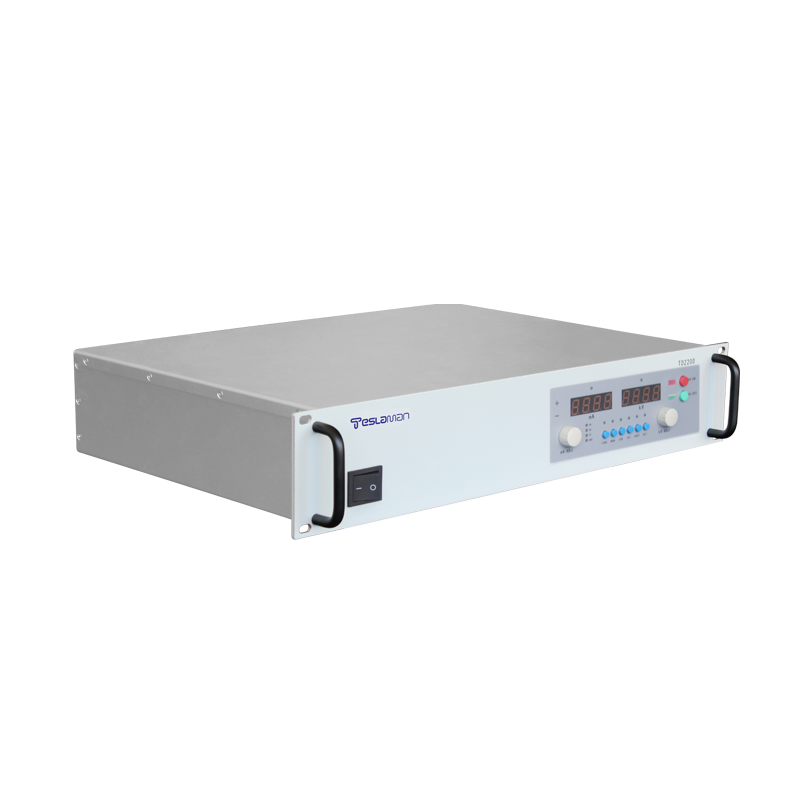
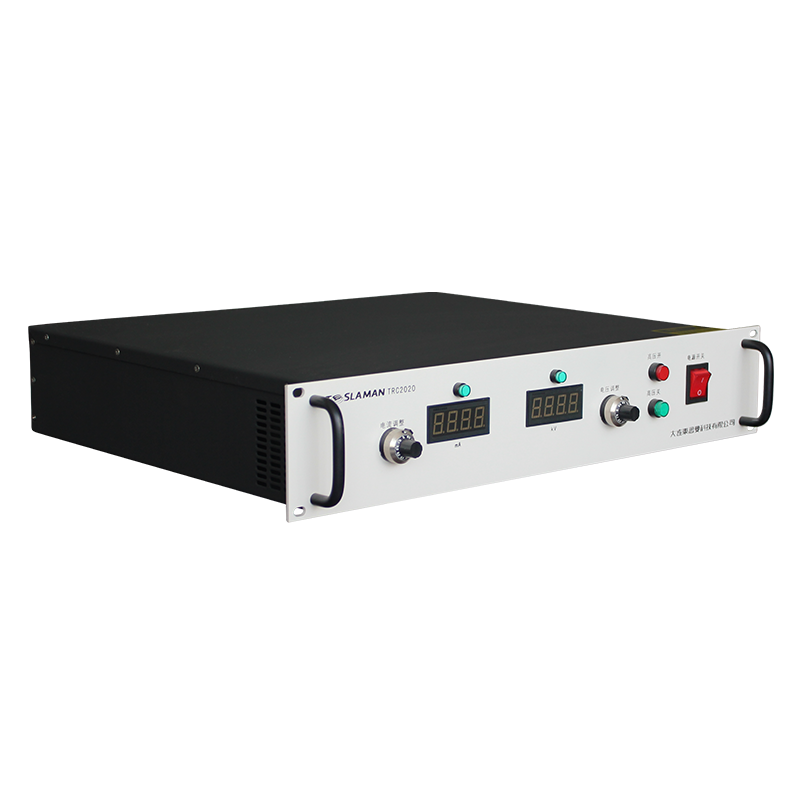
Universal Interface and Intelligent Monitoring Functions for Standard Rack-Mounted High Voltage Power Supply
Standard rack-mounted high voltage power supplies represent the backbone of many industrial and research facilities, providing reliable power for a wide range of applications. These power supplies must interface with various control systems and monitoring equipment while maintaining excellent performance characteristics. The development of universal interfaces and intelligent monitoring functions has significantly enhanced the usability and maintainability of these systems. Universal interfaces enable seamless integration with different control architectures, while intelligent monitoring provides real-time visibility into power supply health and performance. These capabilities are essential for modern facilities that demand high reliability and efficient operation.
The electrical requirements for standard rack-mounted high voltage power supplies vary widely depending on the specific application. Typical output voltages range from several hundred volts to several kilovolts, with currents from milliamps to hundreds of amps depending on the power level. The power supply must provide stable output across these operating ranges while accommodating varying load conditions. The rack-mounted form factor imposes constraints on size and cooling that must be addressed in the design. Universal interfaces must support a wide range of communication protocols and control signals to accommodate different system architectures.
Universal interface design encompasses multiple aspects of power supply integration. The electrical interfaces must support various analog and digital control signals including voltage programming, current monitoring, and status signals. Digital communication interfaces should support multiple protocols including serial, Ethernet, and fieldbus standards commonly used in industrial automation. The physical interface must use standard connectors that are readily available and reliable. Advanced universal interfaces may support both wired and wireless communication options to provide flexibility in installation and operation.
Analog interface standards define the electrical characteristics of voltage and current programming signals. Typical voltage programming ranges from zero to ten volts correspond to the full output voltage range, providing a simple and widely compatible interface. Current monitoring signals typically provide a voltage proportional to the output current, enabling real-time current measurement by external systems. The analog interfaces must provide excellent accuracy and stability to ensure precise control and monitoring. Advanced implementations may provide multiple programmable ranges to optimize resolution for different applications.
Digital communication interfaces enable advanced control and monitoring capabilities. Serial interfaces including RS-232 and RS-485 provide simple point-to-point or multi-drop communication. Ethernet interfaces support high-speed communication and network integration. Fieldbus protocols such as Modbus, Profibus, and EtherCAT enable integration with industrial automation systems. The digital interfaces must support the required communication speed and protocol features while maintaining isolation and safety requirements. Advanced implementations may support multiple protocols simultaneously or provide protocol conversion capabilities.
Intelligent monitoring functions provide comprehensive visibility into power supply operation and health. Voltage and current monitoring with high accuracy and resolution enable precise control and performance verification. Temperature monitoring of critical components provides early warning of thermal problems that could lead to failure. Power consumption monitoring enables energy efficiency optimization and capacity planning. Advanced monitoring may include harmonic analysis, power factor measurement, and other power quality parameters that provide insight into overall system performance.
Condition monitoring and predictive maintenance capabilities represent advanced intelligent monitoring functions. Continuous monitoring of parameters such as output voltage drift, component temperatures, and switching characteristics can identify developing problems before they cause actual failures. Trend analysis of these parameters can predict remaining useful life and enable proactive maintenance. Machine learning algorithms can identify complex patterns that indicate specific failure modes. These capabilities significantly improve reliability and reduce unplanned downtime.
Safety monitoring functions are essential for high voltage power supplies. Interlock status monitoring ensures that all safety conditions are met before high voltage is applied. Arc detection and monitoring identify discharge events that could indicate developing problems. Ground fault monitoring detects insulation degradation that could create safety hazards. The safety monitoring must be designed with high reliability to ensure that safety functions are always available when needed. Advanced implementations may provide safety system self-test capabilities.
Remote monitoring and control capabilities enable efficient facility management. Web-based interfaces provide access to power supply status and control from anywhere on the network. Mobile applications enable monitoring from portable devices for convenient access. Cloud-based monitoring systems aggregate data from multiple power supplies for facility-wide visibility. The remote capabilities must include appropriate security measures to prevent unauthorized access while maintaining ease of use for authorized personnel.
Data logging and analysis functions support quality assurance and process optimization. Continuous logging of operating parameters provides a historical record that can be analyzed to identify trends and optimize performance. Event logging captures important events such as trips, faults, and parameter changes for troubleshooting and analysis. Advanced analysis tools can correlate power supply performance with process outcomes to identify optimization opportunities. The data logging capabilities must handle the volume of data generated by continuous monitoring while maintaining accessibility.
Integration with facility management systems enables coordinated operation. Building management systems can monitor power supply status and energy consumption for facility optimization. Process control systems can coordinate power supply operation with other equipment to optimize overall process performance. Maintenance management systems can use condition monitoring data to schedule maintenance activities. The integration must be designed to provide appropriate data exchange while maintaining security and reliability.
Calibration and verification functions ensure continued accuracy of monitoring systems. Automated calibration routines can verify the accuracy of voltage and current monitoring without requiring manual intervention. Self-test functions verify the operation of monitoring circuits and sensors. Calibration data logging provides traceability of calibration history. These functions reduce the maintenance burden while ensuring that monitoring data remains accurate over time.
Recent advances in universal interface and intelligent monitoring technology have significantly enhanced the capabilities of rack-mounted high voltage power supplies. Advanced digital interfaces have enabled faster communication and more sophisticated control. Intelligent monitoring with predictive capabilities has improved reliability and reduced maintenance costs. Integration with cloud-based systems has enabled facility-wide visibility and optimization. These advances have directly improved the usability and maintainability of high voltage power supplies in modern facilities.
Emerging facility requirements continue to drive innovation in universal interface and intelligent monitoring technology. The development of Industry 4.0 and smart factory concepts creates demand for more sophisticated integration and monitoring capabilities. Increasingly automated facilities require power supplies with enhanced self-diagnostic and predictive maintenance capabilities. The trend toward cloud-based facility management creates demand for power supplies that can seamlessly integrate with cloud platforms. These evolving requirements ensure continued development of universal interface and intelligent monitoring technology specifically tailored to the unique needs of standard rack-mounted high voltage power supplies.