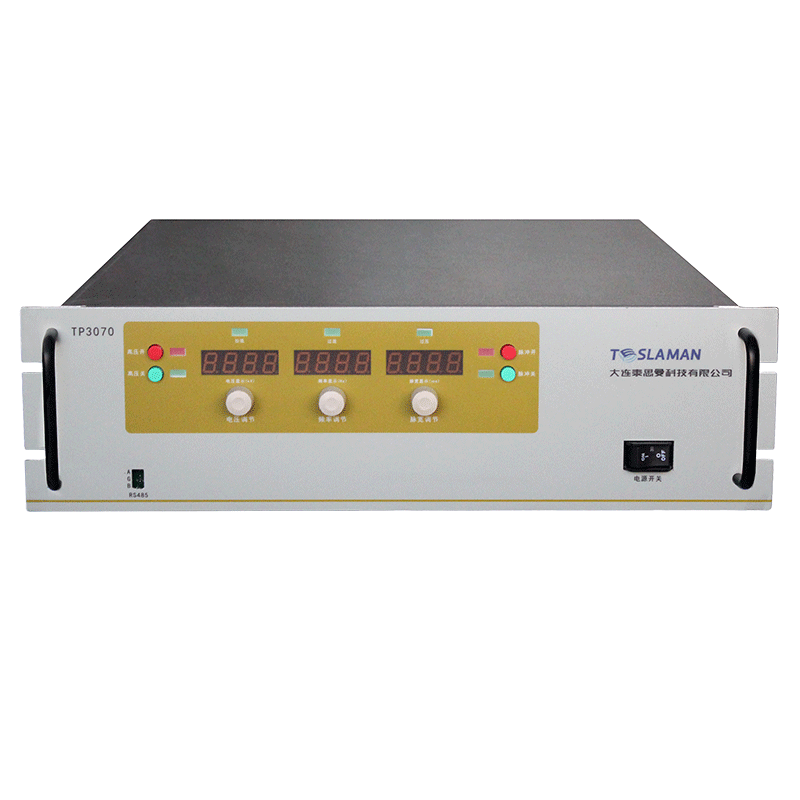
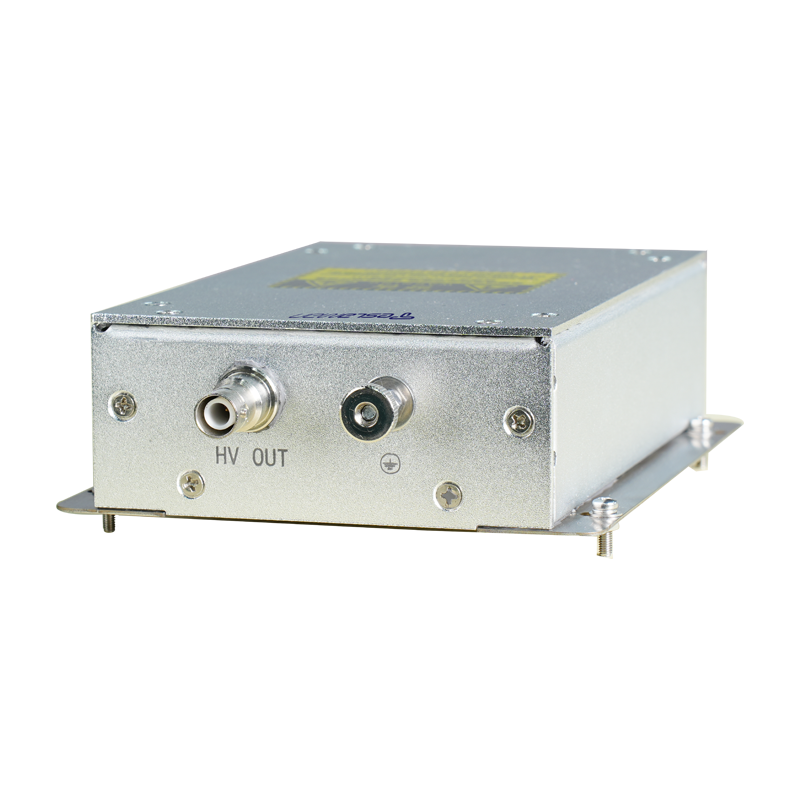
Application of High Voltage Power Supply in Low Temperature Strong Magnetic Field Comprehensive Physical Property Measurement System
Comprehensive physical property measurement systems that operate under low temperature and strong magnetic field conditions are essential tools for advanced materials research and quantum device characterization. These systems require high voltage power supplies that can operate reliably in extreme environments while providing the precise control needed for accurate measurements. The application of high voltage power supplies in these systems presents unique challenges related to cryogenic operation, magnetic field compatibility, and measurement precision. The successful implementation requires careful consideration of these environmental factors.
The electrical requirements for low temperature strong magnetic field measurement systems depend on the specific measurement technique and material being characterized. Typical operating voltages range from several hundred volts to several kilovolts, with currents from microamperes to milliamps depending on the measurement requirements. The power supply must provide stable output across these operating ranges while operating in cryogenic temperatures that can be as low as a few kelvin and magnetic fields that can exceed ten tesla. The load presented by measurement devices varies with temperature, magnetic field, and measurement conditions.
Cryogenic operation presents significant challenges for high voltage power supply design. Component characteristics change dramatically at cryogenic temperatures, affecting both performance and reliability. Semiconductor devices may stop functioning properly at low temperatures, requiring special component selection. Mechanical stress from thermal contraction can cause connection failures. The power supply must be designed to operate reliably across the full temperature range from room temperature down to cryogenic operating temperatures.
Magnetic field compatibility is another critical consideration. Strong magnetic fields can affect the operation of electronic components through various mechanisms including Hall effect and magnetoresistance. Magnetic fields can induce currents in conductive loops, causing interference and potential damage. The power supply must be designed to operate reliably in the presence of strong magnetic fields. This may involve magnetic shielding, careful component placement, and the use of magnetically insensitive components.
Measurement precision requirements are exceptionally demanding in these systems. The physical properties being measured may have small variations that require extremely stable and precise power supply operation. Voltage stability better than one part per million may be required for the most demanding measurements. The power supply must achieve this stability despite the challenging environmental conditions. Advanced control algorithms and component selection are essential to achieve the required precision.
Thermal management in cryogenic environments presents unique challenges. The power supply generates heat that must be removed without warming the cryogenic measurement region. Thermal isolation between the power supply and the cryogenic region is essential. The cooling system must be designed to maintain the power supply at appropriate temperature while not affecting the cryogenic environment. Advanced thermal management may employ heat pipes or other technologies to achieve the necessary thermal isolation.
Electromagnetic interference from the power supply can affect sensitive measurements. The switching operation of the power supply generates electromagnetic noise that can interfere with the sensitive measurement electronics. This interference is particularly problematic in low temperature measurements where signal levels may be very small. The power supply must be designed to minimize electromagnetic interference through careful filtering, shielding, and layout. Advanced techniques may employ synchronous rectification or other approaches to reduce interference.
Remote operation and monitoring are often required for these systems. The cryogenic and magnetic field environment may make direct access difficult or impossible during operation. The power supply must support remote monitoring and control to enable operation from outside the extreme environment. Advanced systems may include comprehensive diagnostic capabilities to identify problems without requiring physical access. The remote operation system must provide reliable communication despite the challenging environment.
Calibration and verification are particularly important for extreme environment operation. The power supply performance may change under cryogenic temperatures and magnetic fields, requiring calibration under actual operating conditions. Regular verification ensures that the power supply maintains the required performance over time. The calibration and verification procedures must account for the specific environmental conditions and their effects on power supply performance.
Reliability and maintainability are critical for systems operating in extreme environments. Access for maintenance may be limited or impossible, requiring exceptional reliability. The power supply must be designed for long-term operation without maintenance access. Redundant critical functions may be employed to improve reliability. The maintainability design must consider the limited access and develop appropriate maintenance strategies.
Recent advances in extreme environment power supply technology have enabled new capabilities for low temperature strong magnetic field measurements. Improved component technologies have enabled better performance at cryogenic temperatures. Advanced magnetic shielding techniques have improved compatibility with strong magnetic fields. Enhanced remote monitoring and diagnostic capabilities have improved reliability in inaccessible environments. These advances have directly expanded the capabilities of comprehensive physical property measurement systems.
Emerging applications in quantum materials and devices continue to drive innovation in extreme environment power supply technology. The development of new measurement techniques creates demand for power supplies with even better precision and stability. Increasingly complex measurement systems require more sophisticated control and monitoring capabilities. The trend toward lower temperatures and higher magnetic fields creates demand for power supplies that can operate in even more extreme conditions. These evolving requirements ensure continued development of power supply technology specifically tailored to the unique needs of low temperature strong magnetic field comprehensive physical property measurement systems.