Electromagnetic Shielding Design for RF Amplifier and High Voltage Power Supply Combined System
Combined systems that include both RF amplifiers and high voltage power supplies present unique electromagnetic compatibility challenges. The RF amplifier generates high-power RF signals that can couple into the high voltage power supply, potentially causing interference or damage. Conversely, the switching operation of the high voltage power supply generates electromagnetic interference that can affect the sensitive RF amplifier performance. The electromagnetic shielding design must address these bidirectional interference paths while maintaining the performance of both subsystems. The implementation of effective shielding requires careful consideration of frequency ranges, power levels, and physical layout.
The electrical requirements for RF amplifier and high voltage power supply combined systems depend on the specific application. The RF amplifier may operate at frequencies from HF to microwave bands with power levels from watts to kilowatts. The high voltage power supply may provide voltages from several hundred volts to several kilovolts with currents from milliamps to tens of amps. The combined system must provide optimal performance from both subsystems while managing the electromagnetic interactions between them. The shielding design must accommodate the specific frequency ranges and power levels involved.
RF interference from the amplifier represents a significant challenge for the high voltage power supply. The high-power RF signals can couple into the power supply through various paths including conduction, radiation, and magnetic coupling. This interference can affect the power supply control circuits and potentially cause malfunction or damage. The shielding must attenuate the RF signals to levels that do not affect power supply operation. The shielding effectiveness must be maintained across the full frequency range of the RF amplifier.
Power supply switching noise represents another interference source. The high voltage switching generates broadband electromagnetic noise that can affect the sensitive RF amplifier performance. This noise can couple into the RF amplifier through various paths, potentially affecting gain, noise figure, and linearity. The shielding must attenuate this switching noise to levels that do not affect RF amplifier performance. The shielding design must address the wide frequency range of switching noise.
Shielding materials selection is critical for effective electromagnetic isolation. Different materials have different shielding effectiveness at different frequencies. Magnetic shielding materials such as mu-metal are effective at lower frequencies, while conductive materials such as copper or aluminum are effective at higher frequencies. The shielding design must employ appropriate materials for the specific frequency ranges involved. Advanced shielding may use multiple layers of different materials to achieve broadband effectiveness.
Shielding geometry and layout optimization are essential for maximizing effectiveness. The physical arrangement of shielding components affects both shielding effectiveness and system layout. Strategic placement of shielding can block interference paths while minimizing the impact on system layout. The shielding design must consider the three-dimensional electromagnetic environment and optimize shielding placement accordingly. Advanced design tools can simulate the electromagnetic environment to optimize shielding placement.
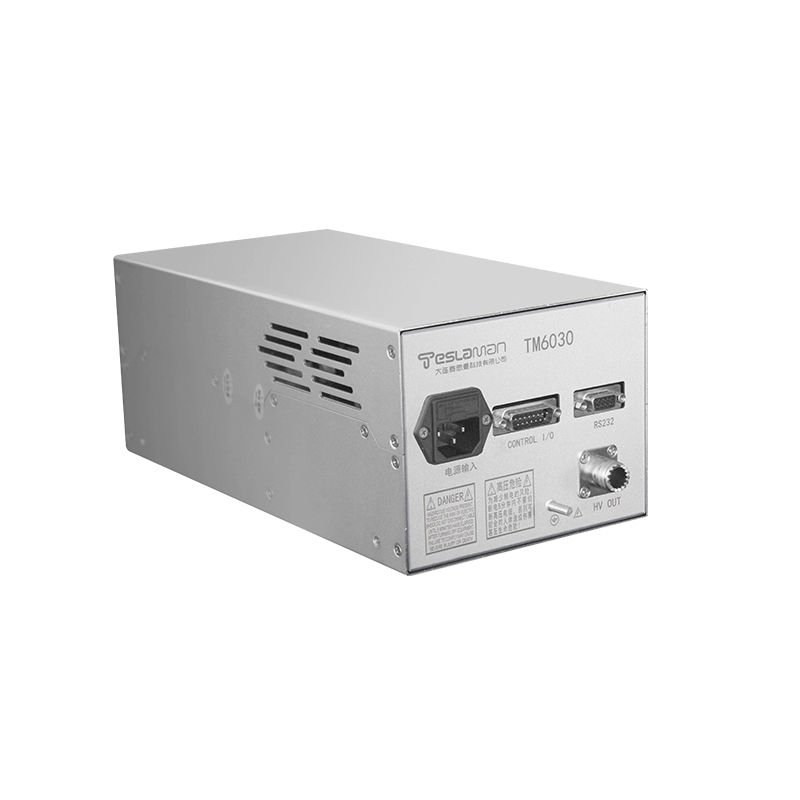
Ventilation and cooling considerations affect shielding design. Shielding enclosures must provide adequate ventilation for cooling while maintaining electromagnetic isolation. Cooling ducts can be paths for electromagnetic leakage if not properly designed. The shielding design must balance the competing requirements of electromagnetic isolation and thermal management. Advanced designs may employ waveguide beyond cutoff techniques that provide electromagnetic isolation while allowing cooling airflow.
Grounding and bonding are critical for effective shielding performance. Proper grounding establishes reference potentials and provides return paths for interference currents. Bonding ensures that shielding components are electrically connected to maintain shielding effectiveness. The grounding and bonding design must consider the frequency ranges involved and provide low-impedance connections at the frequencies of concern. Advanced grounding may employ multiple ground planes with carefully controlled impedances.
Filtering integration complements the shielding design. While shielding blocks electromagnetic radiation, filtering can attenuate conducted interference. The combination of shielding and filtering provides comprehensive electromagnetic isolation. The filtering must be designed to work effectively with the shielding to address all interference paths. Advanced filtering may employ multi-stage designs with different characteristics for different frequency ranges.
Testing and validation are essential for verifying shielding effectiveness. Electromagnetic compatibility testing must be performed to verify that the shielding provides the required isolation. The testing should cover both emission and immunity aspects across the full frequency range of interest. Real-world testing in the actual operating environment provides validation of the shielding design. The testing program must comprehensively address all aspects of the electromagnetic environment.
Recent advances in shielding technology have enabled better electromagnetic isolation for combined RF and high voltage systems. Advanced materials have improved shielding effectiveness across broader frequency ranges. Simulation tools have enabled optimization of shielding geometry and layout. Integrated filtering and shielding approaches have provided comprehensive electromagnetic isolation. These advances have directly improved the performance and reliability of combined RF amplifier and high voltage power supply systems.
Emerging applications continue to drive innovation in electromagnetic shielding technology. The development of higher frequency RF systems creates demand for shielding at higher frequencies. Increasingly stringent electromagnetic compatibility requirements drive the need for better shielding effectiveness. The trend toward higher power levels creates demand for shielding that can handle higher field strengths. These evolving requirements ensure continued development of electromagnetic shielding technology specifically tailored to the unique needs of RF amplifier and high voltage power supply combined systems.