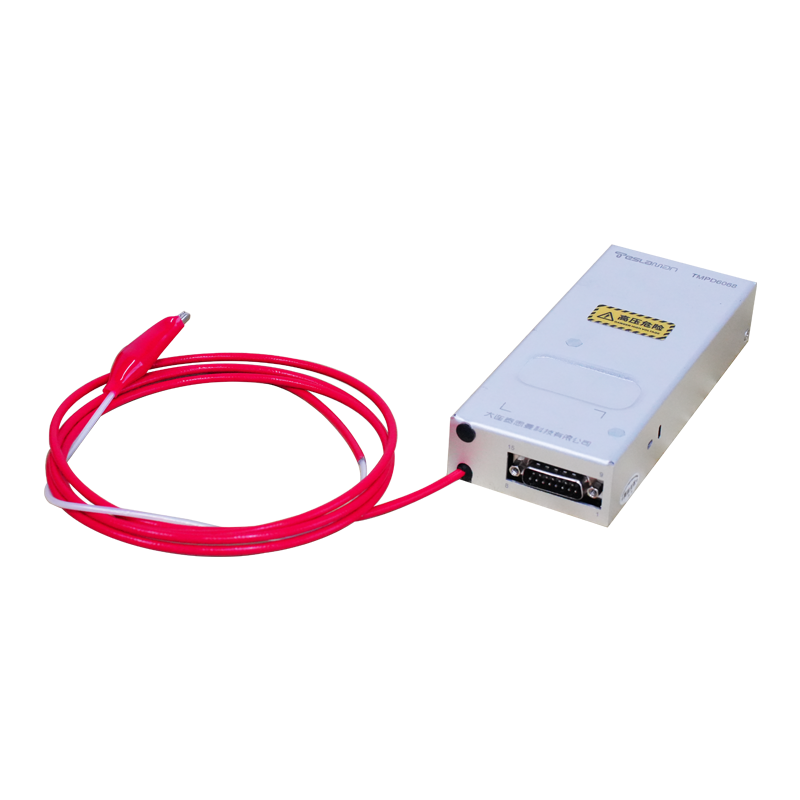
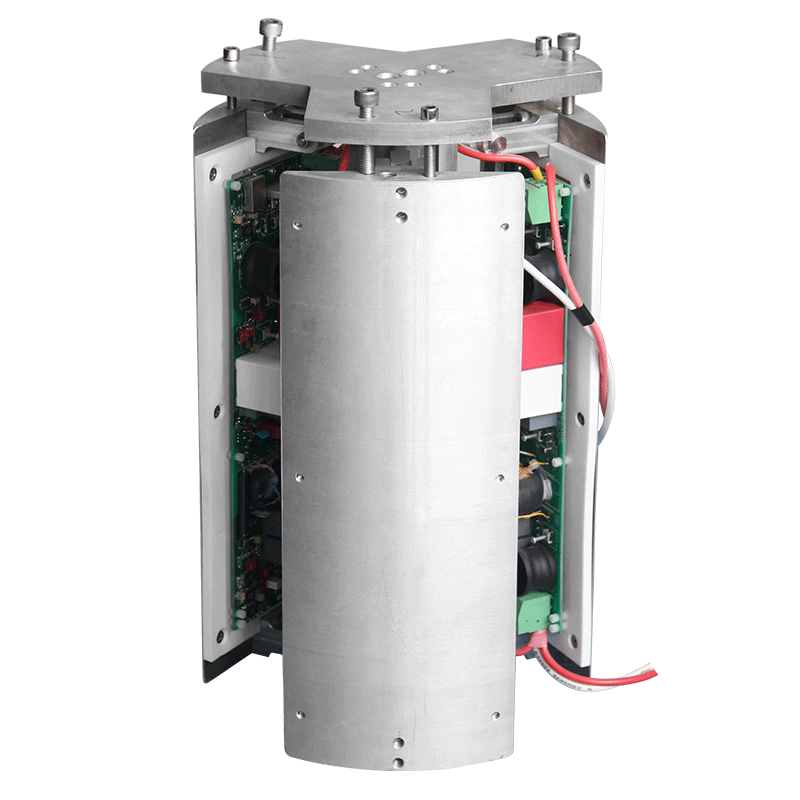
Thermal Resistant Design of High Voltage Power Supply for High Temperature Electric Field Annealing of Sapphire Crystal
Sapphire crystal production requires precise thermal processing to achieve the desired optical and mechanical properties. Electric field annealing at elevated temperatures represents an advanced technique for improving crystal quality by reducing defects and internal stresses. The high voltage power supply that generates the electric field must operate reliably in the high temperature environment near the annealing furnace. Understanding the thermal resistant design principles enables development of power supplies suitable for this demanding application.
The annealing process for sapphire crystals involves heating to temperatures approaching the melting point while applying an electric field. The electric field influences the migration of charged defects and impurities within the crystal lattice. The combination of temperature and electric field can significantly improve crystal homogeneity and reduce dislocation density. The power supply must maintain stable output throughout the annealing cycle while exposed to the thermal environment.
Thermal environment characterization defines the design requirements. The ambient temperature near the annealing furnace may exceed several hundred degrees Celsius. Radiant heat from the furnace contributes to the thermal load. Convection currents in the surrounding air create temperature gradients. The thermal environment varies during the heating and cooling phases. The power supply design must accommodate the full range of thermal conditions.
Component selection for high temperature operation requires careful evaluation. Standard electronic components are typically rated for operation below 125 degrees Celsius. High temperature rated components may be required for reliable operation. Semiconductor devices have maximum junction temperatures that must not be exceeded. Capacitor dielectric materials have temperature limitations. Passive components must maintain their characteristics at elevated temperatures.
Thermal management strategies protect sensitive electronics from excessive heat. Thermal barriers reduce heat transfer from the hot environment. Active cooling systems remove heat from the power supply enclosure. Heat sinks dissipate power from internal components. The thermal design must balance heat rejection against the external thermal load. The cooling system must operate reliably throughout the annealing cycle.
Enclosure design for high temperature environments addresses multiple requirements. The enclosure material must withstand the operating temperature without degradation. Thermal insulation reduces heat transfer to the interior. Sealing prevents ingress of contaminants while allowing thermal management. The enclosure must provide adequate electrical insulation for high voltage components. The design must accommodate thermal expansion without mechanical failure.
Distance separation from the heat source reduces thermal stress on the power supply. Remote mounting locations experience lower ambient temperatures. High voltage cables connect the power supply to the electrodes in the furnace. The cable design must accommodate both high voltage and high temperature at the furnace end. The distance separation approach reduces thermal design complexity for the power supply.
Active cooling systems enable operation in high temperature environments. Forced air cooling using high temperature rated fans removes heat from the enclosure. Liquid cooling provides higher heat removal capacity for demanding applications. Thermoelectric cooling can maintain lower temperatures in localized areas. The cooling system must be designed for reliability in the operating environment. Redundant cooling may be required for critical applications.
Temperature monitoring enables protection against thermal damage. Temperature sensors at critical locations detect overheating conditions. Thermal protection circuits shut down the power supply if temperatures exceed safe limits. Temperature data logging supports process documentation and troubleshooting. The monitoring system must be reliable at elevated temperatures.
High voltage insulation at elevated temperatures presents unique challenges. Insulation materials may have reduced dielectric strength at high temperatures. Thermal aging accelerates insulation degradation. Creepage and clearance distances may need to be increased for high temperature operation. The insulation system must be designed for the combined electrical and thermal stresses.
Control electronics for high temperature applications require special attention. Standard integrated circuits may not be rated for the operating temperature. High temperature electronics using silicon-on-insulator or wide bandgap semiconductors may be required. Hybrid approaches using remote control electronics with local power stages can address temperature limitations. The control system must maintain accuracy and stability across the operating temperature range.
Reliability considerations for high temperature operation affect design decisions. Component derating must account for temperature effects on ratings. Thermal cycling during process operation causes fatigue stress. The design life must be appropriate for the application requirements. Maintenance access must be provided for component replacement. The reliability design must balance performance against cost and complexity.
Testing and validation verify the thermal resistant design. Thermal cycling tests simulate the operational temperature variations. Extended operation at maximum temperature verifies reliability. Performance verification at temperature ensures specifications are met. The test program must address all relevant thermal conditions. Successful testing validates the design for the intended application.