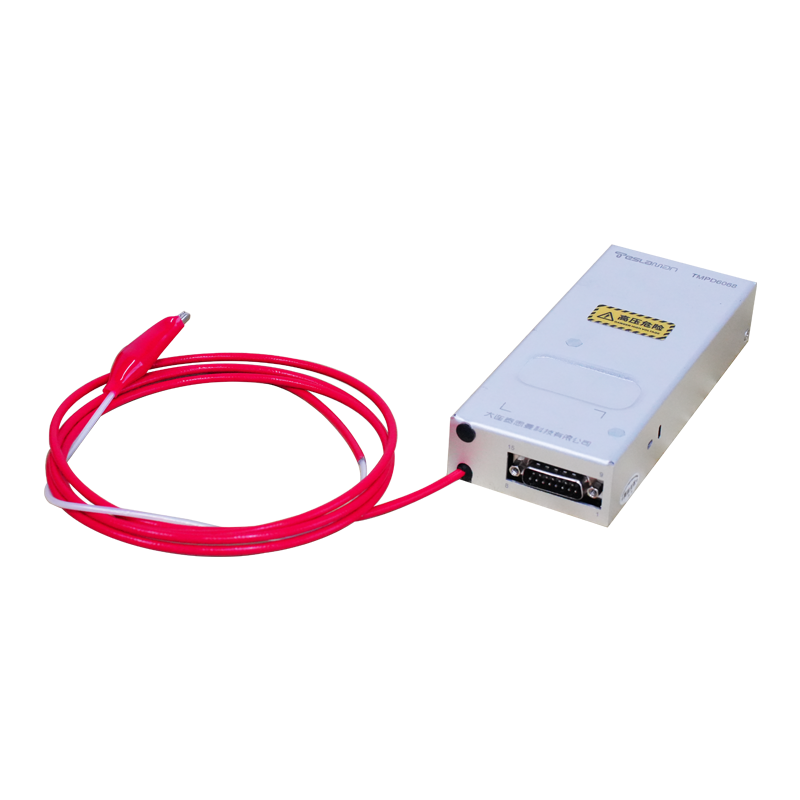
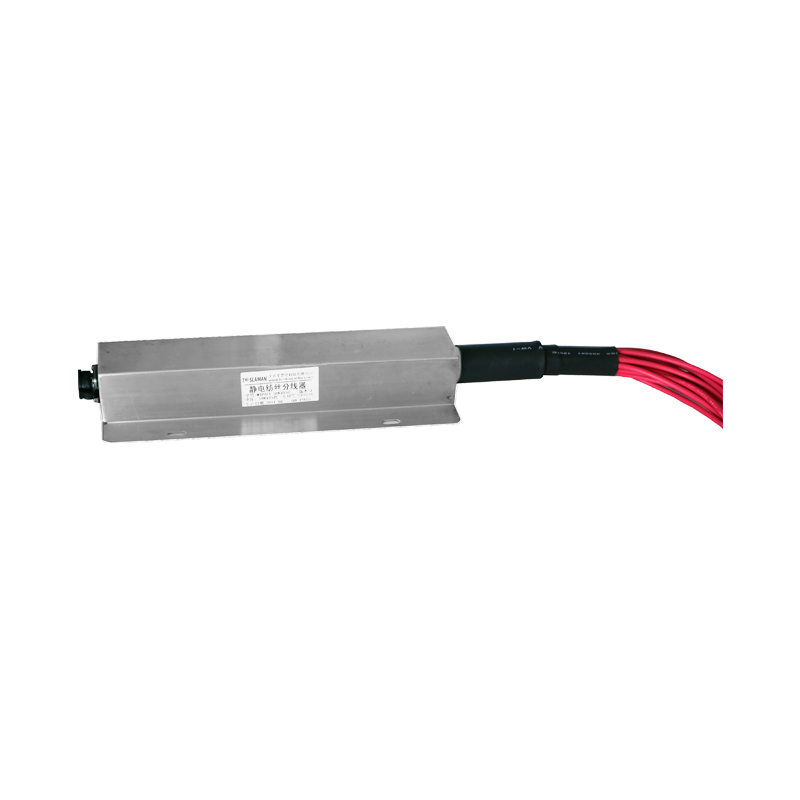
Safety Standard Compliance of High Voltage Power Supply for Cryogenic Plasma Skin Treatment Device
Cryogenic plasma skin treatment devices represent an emerging technology in dermatology and cosmetic medicine. These devices use low-temperature plasma generated by high voltage electrical discharges to treat various skin conditions. The high voltage power supply is a critical component that must comply with stringent safety standards for medical electrical equipment. Understanding the safety standard requirements enables development of compliant power supplies for plasma treatment devices.
Plasma skin treatment technology uses non-thermal plasma for therapeutic effects. The plasma is generated by electrical discharge at atmospheric pressure. The plasma temperature remains near ambient while producing reactive species. The reactive species interact with skin tissue to produce therapeutic effects. The treatment can address various dermatological conditions. The high voltage power supply provides the electrical energy for plasma generation.
Medical device safety standards establish requirements for patient and operator protection. International standards define the safety requirements for medical electrical equipment. Regional regulations may impose additional requirements. Compliance with applicable standards is required for market approval. The standards address electrical safety, mechanical safety, and performance requirements. The power supply design must address all applicable requirements.
Electrical safety requirements address multiple hazard categories. Electric shock protection prevents harmful current flow through patients or operators. Energy hazard protection limits the available energy that could cause burns. Fire protection prevents ignition of materials in the device environment. Mechanical protection addresses hazards from moving parts or enclosure failures. The electrical safety design must address all these hazards.
Patient protection requirements are particularly stringent for medical devices. The patient may be in direct contact with the plasma applicator. The patient protection must limit leakage current to safe levels. The isolation must prevent hazardous current flow under fault conditions. The protection must be maintained throughout the device lifetime. The patient protection design is critical for medical applications.
Insulation requirements ensure adequate electrical isolation. The insulation must withstand the operating voltage with appropriate margins. The insulation must maintain integrity over the device lifetime. Creepage and clearance distances must meet standard requirements. The insulation coordination must account for the operating environment. The insulation design must be verified through testing.
Grounding and bonding requirements ensure safety and performance. Protective grounding provides a path for fault current. Functional grounding supports proper device operation. Grounding connections must be reliable and accessible. Grounding continuity must be verified during testing. The grounding design must comply with standard requirements.
Leakage current limits protect patients and operators. Earth leakage current is limited to prevent hazardous current flow. Patient leakage current is limited for applied parts. Enclosure leakage current is limited for accessible conductive parts. The leakage current must be measured under specified conditions. The power supply design must ensure compliance with leakage current limits.
Dielectric strength testing verifies insulation integrity. High voltage tests stress the insulation to verify adequacy. The test voltages are specified in the applicable standards. The test duration and conditions are defined in the standards. The dielectric strength testing must be performed during type testing. The test results must be documented for compliance records.
Electromagnetic compatibility requirements address interference concerns. The device must not emit excessive electromagnetic interference. The device must have adequate immunity to electromagnetic disturbances. The electromagnetic compatibility testing must be performed according to standards. The power supply design affects the electromagnetic compatibility performance.
Temperature and thermal protection requirements address burn hazards. Surface temperatures must be limited to prevent burns. Internal temperatures must not cause insulation degradation. Thermal protection must prevent overheating under fault conditions. The thermal design must be verified through testing. The temperature limits must be appropriate for patient contact.
Marking and labeling requirements provide safety information. Warning labels must identify hazards and precautions. Rating labels must specify the electrical characteristics. Identification labels must enable traceability. The labeling must be durable and legible. The marking and labeling must comply with standard requirements.
Documentation requirements support safety compliance. Technical documentation must describe the safety design. Risk analysis must identify and address hazards. Test reports must document compliance verification. User instructions must provide safety information. The documentation must support regulatory submissions.
Quality management requirements ensure consistent safety performance. Design controls must ensure safety requirements are addressed. Production controls must ensure consistent manufacturing. Inspection and testing must verify compliance. Corrective action must address nonconformances. The quality management system must support safety compliance.